What to Know About Hydration Habits: Your Must-Have Guide for Optimal Health
Proper hydration is one of the simplest yet most essential aspects of maintaining good health. Understanding what to know about hydration habits can make a significant difference in how well your body functions and how energized you feel throughout the day. This hydration habits guide is designed to help you grasp the importance of consistent and effective hydration, identify signs of dehydration, and adopt smart habits that promote optimal health.
Why Hydration Matters: The Foundation of Wellness
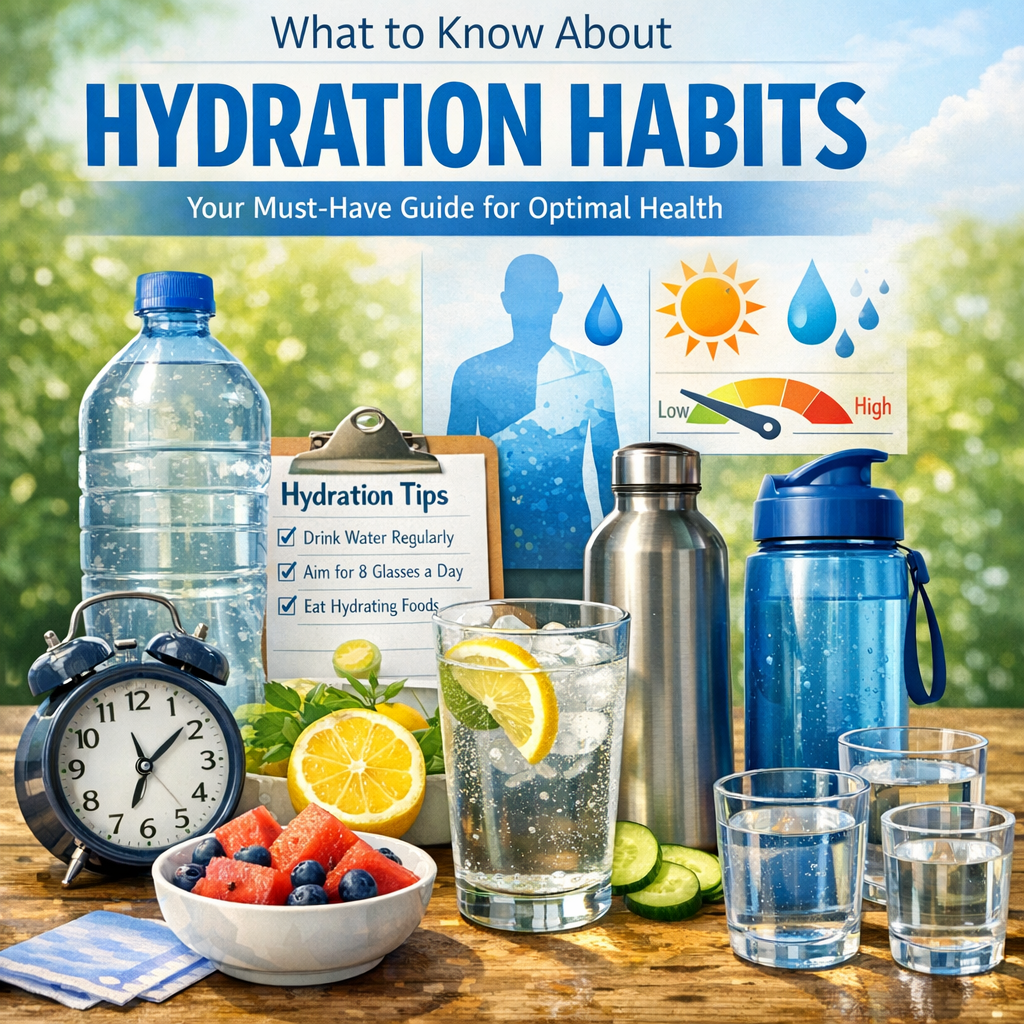
Water plays a critical role in nearly every bodily function. From regulating temperature and maintaining joint lubrication to supporting digestion and flushing out toxins, the benefits of adequate water intake cannot be overstated. When you’re properly hydrated, your organs work efficiently, your skin stays vibrant, and your energy levels remain balanced.
Despite the obvious importance, many people underestimate how much water they actually need or how to maintain consistent hydration throughout the day. Knowing the fundamentals about hydration habits equips you with the knowledge to make better lifestyle choices that support long-term wellness.
Key Components of Effective Hydration Habits
1. Understanding Your Hydration Needs
One common misconception is that everyone needs to drink eight glasses of water daily. While “8×8” (eight 8-ounce glasses) is a useful rule of thumb, individual water intake varies based on factors such as age, body size, activity level, climate, and overall health. For example, athletes or people living in hot climates may need significantly more hydration to compensate for fluid loss through sweat.
Listening to your body is essential. Thirst, dry mouth, dark urine, fatigue, and headaches are typical early signs that you need to increase your fluid intake. This personalized approach to hydration helps ensure you’re meeting your unique body’s demands.
2. Incorporating Hydration into Daily Routines
Building consistent hydration habits means making water consumption a natural part of your routine. Start by drinking a glass of water first thing in the morning to kickstart your metabolism and rehydrate after hours of sleep. Carry a reusable water bottle throughout the day to remind yourself to sip regularly.
Setting reminders on your phone, using hydration-tracking apps, or associating water breaks with routine activities like meals or work breaks can also improve adherence to healthy hydration habits. Small, regular sips are often more effective than gulping large amounts at once.
3. Choosing the Right Fluids
While water should be the primary source of hydration, other fluids and foods can contribute to your daily intake. Herbal teas, milk, and even coffee count toward your hydration goals, though beverages with caffeine or alcohol should be consumed in moderation as they can increase fluid loss.
Incorporating water-rich foods such as cucumbers, watermelon, oranges, and lettuce can also enhance hydration and provide additional nutrients and fiber. A well-rounded approach makes hydration less monotonous and more enjoyable.
The Role of Hydration in Physical and Mental Performance
You might be surprised to learn just how much hydration affects your cognitive abilities and physical endurance. Dehydration—even mild—can impair concentration, memory, and mood, while increasing the risk of headaches and fatigue.
For athletes, staying hydrated is crucial for muscle function, joint lubrication, and preventing heat-related illnesses. This hydration habits guide emphasizes beginning exercise well-hydrated and replenishing fluids during and after intense activity.
Overhydration: When Too Much Water Can Cause Harm
Although uncommon, overhydration or water intoxication can be dangerous. Consuming excessive amounts of water in a short period can dilute electrolytes in the bloodstream, leading to a potentially life-threatening condition called hyponatremia. This is why balance is key: drink enough to stay hydrated, but don’t force fluids beyond your thirst signals.
Tips to Improve Your Hydration Habits Today
– Track Intake: Use simple apps to monitor daily water consumption and motivate yourself to meet goals.
– Flavor Your Water: Add natural flavors like lemon, cucumber, or mint to make hydration more appealing.
– Eat Water-Rich Foods: Incorporate fruits and vegetables with high water content into meals.
– Set Routine Reminders: Link hydration to daily activities such as brushing your teeth or meal times.
– Stay Mindful in Hot Weather: Increase fluid intake during heat waves or when exercising outdoors.
– Understand Body Signals: Don’t ignore thirst, and recognize symptoms of dehydration early.
Final Thoughts on What to Know About Hydration Habits
Taking charge of your hydration habits is an empowering step toward better health and well-being. This hydration habits guide highlights the importance of personalized fluid intake, practical strategies for incorporating hydration into your routine, and the balance necessary to avoid overhydration.
By paying attention to your body’s needs and making water consumption a priority—not just an afterthought—you can enhance your physical performance, improve mental clarity, and support essential bodily functions every day. Remember, staying hydrated isn’t just about drinking water; it’s about nurturing your body’s entire system consistently and mindfully.