Walking for Fitness Mistakes: Avoid These Common, Costly Errors Now
Walking is one of the most accessible and effective forms of exercise, suitable for people of all ages and fitness levels. However, even with something as simple as walking, many individuals fall into common pitfalls that can hinder their progress or lead to injury. Recognizing these walking for fitness mistakes early on is crucial for maximizing the benefits of your workouts and staying motivated. In this article, we will cover frequent errors people make when walking for fitness and provide practical walking for fitness tips to help you stay on the right track.
Common Walking for Fitness Mistakes to Watch Out For
Neglecting Proper Footwear
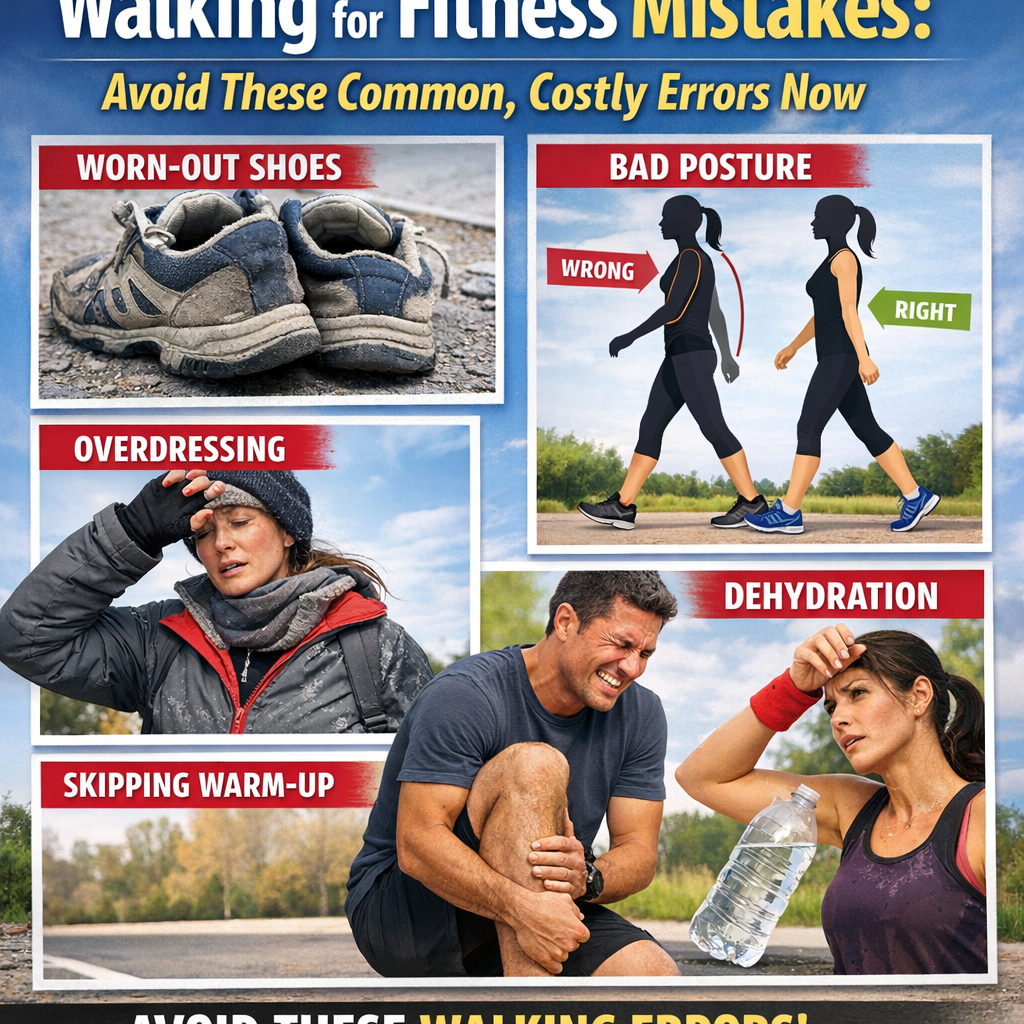
One of the biggest walking for fitness mistakes is wearing inappropriate shoes. Many people underestimate the importance of good footwear and opt for casual shoes that lack support or cushioning. This can lead to discomfort, blisters, or even joint pain. Invest in a quality pair of walking shoes that provide adequate arch support, shock absorption, and a comfortable fit. Proper footwear not only reduces injury risk but also makes walking more enjoyable.
Ignoring Warm-Up and Cool-Down
Jumping straight into your walk without warming up may seem harmless, but it can increase the risk of muscle strain and soreness. Similarly, skipping the cooldown phase can leave your muscles tight and slow your recovery. Incorporate a 5-minute warm-up with light stretching or slow-paced walking to prepare your muscles. After your session, spend a few minutes walking at a slow pace followed by gentle stretches focusing on your calves, hamstrings, and quadriceps.
Walking with Poor Posture
Posture plays a vital role in the effectiveness of your walking workout. Hunching your shoulders, looking down, or leaning forward can cause neck and back pain. Keep your head up, gaze forward, and maintain a slight bend in your elbows while swinging your arms naturally. Engage your core muscles to support your spine and promote better alignment. Correct posture not only improves walking efficiency but also reduces strain on your body.
Overtraining Without Rest Days
While regular walking is beneficial, overdoing it can lead to fatigue, burnout, or injury. Some walkers make the mistake of walking intensely every day without allowing their bodies time to recover. Incorporate at least one or two rest days per week or alternate walking days with other forms of low-impact exercise like yoga or swimming. Listening to your body and balancing activity with rest is key to long-term fitness success.
Walking for Fitness Tips: How to Maximize Your Results
Set Realistic Goals and Track Progress
Many beginners get discouraged when they don’t see immediate results and may give up prematurely. Setting achievable goals—such as walking 10,000 steps a day or 30 minutes five times a week—can help keep you motivated. Use a fitness tracker or smartphone app to monitor your steps, distance, and pace. Celebrating milestones, no matter how small, reinforces positive habits.
Vary Your Walking Routine
Sticking to the same walking route and pace can become monotonous and may limit your fitness gains. Challenge yourself by incorporating intervals—alternating periods of brisk walking with moderate pace—to boost cardiovascular benefit and calorie burn. Exploring new trails, parks, or urban routes adds variety and keeps your mind engaged.
Incorporate Strength and Flexibility Exercises
Although walking primarily improves cardiovascular health and endurance, adding strength training and stretching to your routine enhances overall fitness. Focus on exercises that strengthen your legs, hips, and core, which support better walking form and reduce injury risk. Flexibility exercises help maintain joint mobility and muscle balance.
Stay Hydrated and Dress Appropriately
Dehydration can impair your performance and cause fatigue, especially during longer walks or hot weather. Drink water before, during, and after your walk to stay hydrated. Wearing lightweight, moisture-wicking clothing and layering appropriately according to the weather ensures comfort and helps regulate body temperature.
Conclusion
Avoiding common walking for fitness mistakes is essential for enjoying a safe and effective exercise routine. From choosing the right shoes and maintaining good posture to balancing your walk days with adequate rest, paying attention to these details not only improves your physical health but also keeps you motivated and injury-free. Implementing these practical walking for fitness tips will help you make the most out of each step, turning walking into a lifelong habit that supports your overall wellness and fitness goals. So lace up your shoes, step out confidently, and walk your way to better health!