Walking for Fitness for Beginners: The Ultimate Easy & Effective Guide
Walking for fitness for beginners is one of the simplest yet most effective ways to improve overall health without the need for expensive equipment or gym memberships. Whether you’re completely new to exercise or returning after a break, walking offers a gentle introduction to physical activity that can be tailored to your pace and lifestyle. In this guide, you’ll discover everything you need to start your walking journey confidently, safely, and enjoyably.
Why Choose Walking for Fitness for Beginners?
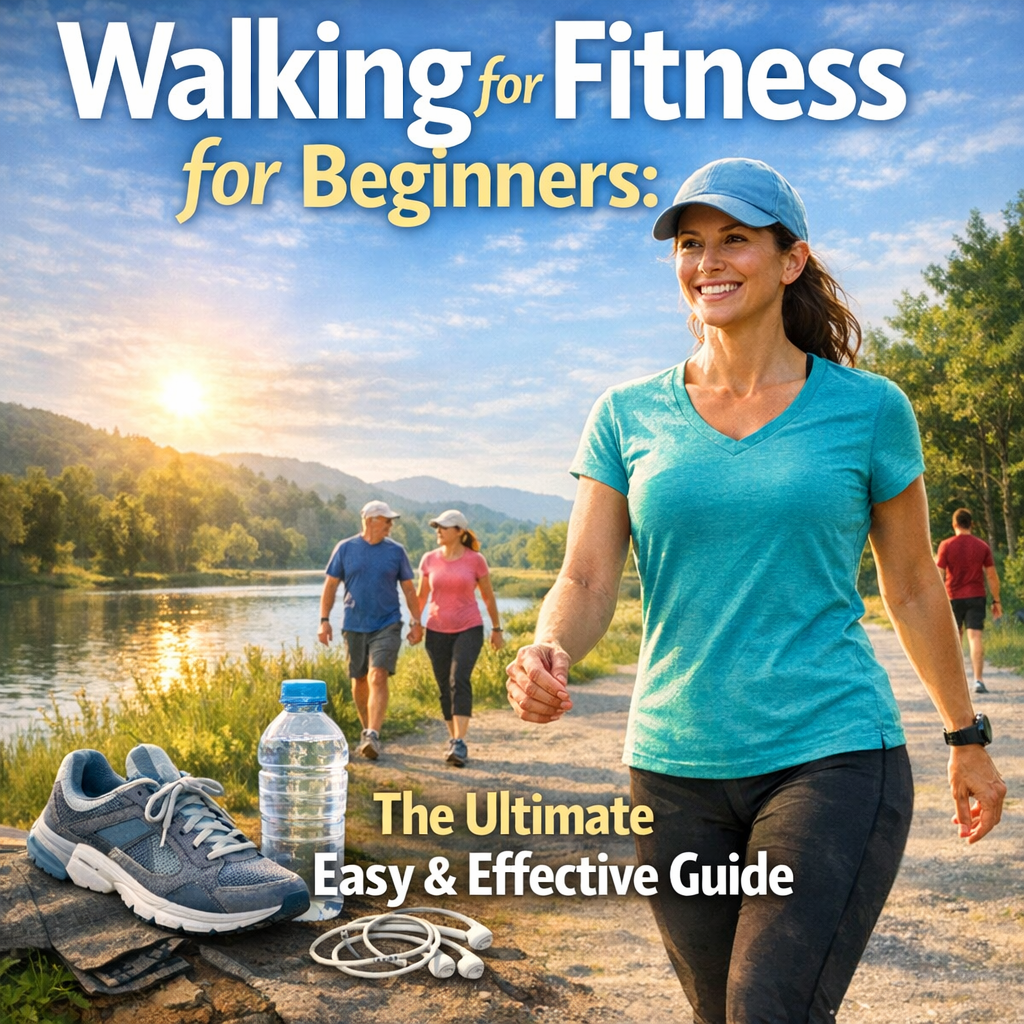
For those just starting out, walking is an ideal form of exercise because it’s low-impact, accessible, and flexible. Unlike running or high-intensity workouts, walking minimizes the risk of injury while still contributing significantly to cardiovascular health, weight management, and mental well-being. Beginner walking for fitness can be as simple as stepping outside for a 10-minute stroll or gradually increasing distance and pace according to your comfort.
In addition, walking doesn’t require special skills or training, making it the perfect entry point for individuals of all ages and fitness levels. It also naturally fits into daily routines and can be social, turning exercise into an enjoyable experience rather than a chore.
Getting Started: Beginner Walking for Fitness Tips
1. Start with Realistic Goals
Set achievable goals based on your current fitness and lifestyle. For example, if you’re completely new to exercise, begin with short 10-15 minute walks three times a week. As your endurance improves, gradually increase either the duration or frequency.
2. Invest in Proper Footwear
Wearing the right shoes is crucial. Choose comfortable sneakers with good arch support and shock absorption to protect your feet and joints. This simple step can prevent common walking injuries like blisters and plantar fasciitis.
3. Warm Up and Cool Down
Although walking is low impact, warming up with gentle stretching and slower walking prepares your muscles and joints for movement. Always cool down with a few minutes of slower walking and stretching to improve flexibility and reduce muscle soreness.
4. Pay Attention to Posture
Maintain a straight back, relaxed shoulders, and engage your core while walking. Keep your gaze forward and swing your arms naturally. Good posture enhances breathing and maximizes calorie burn.
Structuring Your Walking Routine for Maximum Benefit
Consistency will help you reap the most health rewards from beginner walking for fitness. Here’s a simple weekly plan to get started:
– Day 1: Moderate-paced walk – 15 minutes
– Day 2: Rest or gentle stretching
– Day 3: Interval walking – alternate 1 minute fast pace and 2 minutes normal pace for 15 minutes
– Day 4: Rest or light yoga
– Day 5: Long, easy-paced walk – 20 to 30 minutes
– Day 6: Rest or recreational activity like cycling or swimming
– Day 7: Optional social walk with friends or family
Adding intervals where you increase your speed temporarily boosts cardiovascular fitness and burns more calories. On rest days, focus on gentle movement to aid recovery and maintain flexibility.
Health Benefits of Beginner Walking for Fitness
Walking regularly produces numerous health advantages, especially for those starting new exercise routines:
– Improved Cardiovascular Health: Walking strengthens your heart, lowers blood pressure, and improves circulation.
– Weight Management: Consistent walking helps burn calories and supports weight loss or maintenance.
– Mental Wellness: Walking releases endorphins that reduce stress, anxiety, and symptoms of depression.
– Enhanced Joint Mobility: Regular movement lubricates joints, alleviating stiffness and reducing arthritis discomfort.
– Stronger Muscles and Bones: Particularly in the legs, hips, and lower back, walking builds strength and endurance.
By incorporating walking into your weekly habits, you’re laying the foundation for long-term wellness.
Overcoming Common Beginner Obstacles
Starting something new often comes with challenges, but with walking for fitness for beginners, these barriers can be easily managed:
– Lack of Motivation: Find a walking buddy or join a local walking group for accountability and fun.
– Time Constraints: Break your walking into shorter sessions during the day, such as 10 minutes in the morning and 10 minutes after lunch.
– Bad Weather: Use an indoor mall, treadmill, or home workout videos for indoor walking alternatives.
– Physical Limitations: Consult with your healthcare provider before beginning, and adapt intensity to your comfort level — even slow-paced walking can be beneficial.
Enhancing Your Walking Experience
To keep things interesting and get more from your walks, try some simple strategies:
– Listen to podcasts, audiobooks, or music.
– Explore new routes such as parks, trails, or urban neighborhoods.
– Use a fitness tracker or smartphone app to monitor progress and set goals.
– Incorporate strength moves like lunges or calf raises during breaks.
Conclusion
Embarking on walking for fitness for beginners is a smart, accessible way to improve your health and boost your energy. By starting with realistic goals, focusing on proper technique, and staying consistent, you’ll soon experience the physical and mental benefits walking has to offer. Remember, every step counts toward a healthier lifestyle—so lace up your shoes and enjoy the journey!