Stress Management Checklist: Your Must-Have Plan for Effortless Calm
Managing stress effectively is crucial for maintaining both mental and physical health, and a well-structured stress management checklist can pave the way toward a more peaceful, balanced life. Whether you face daily pressures at work, home, or in social situations, having a clear and practical guide helps you recognize, address, and reduce stress before it overwhelms you. This article provides an essential checklist and outlines how to build a custom stress management plan that supports effortless calm in your everyday routine.
Understanding the Importance of a Stress Management Checklist
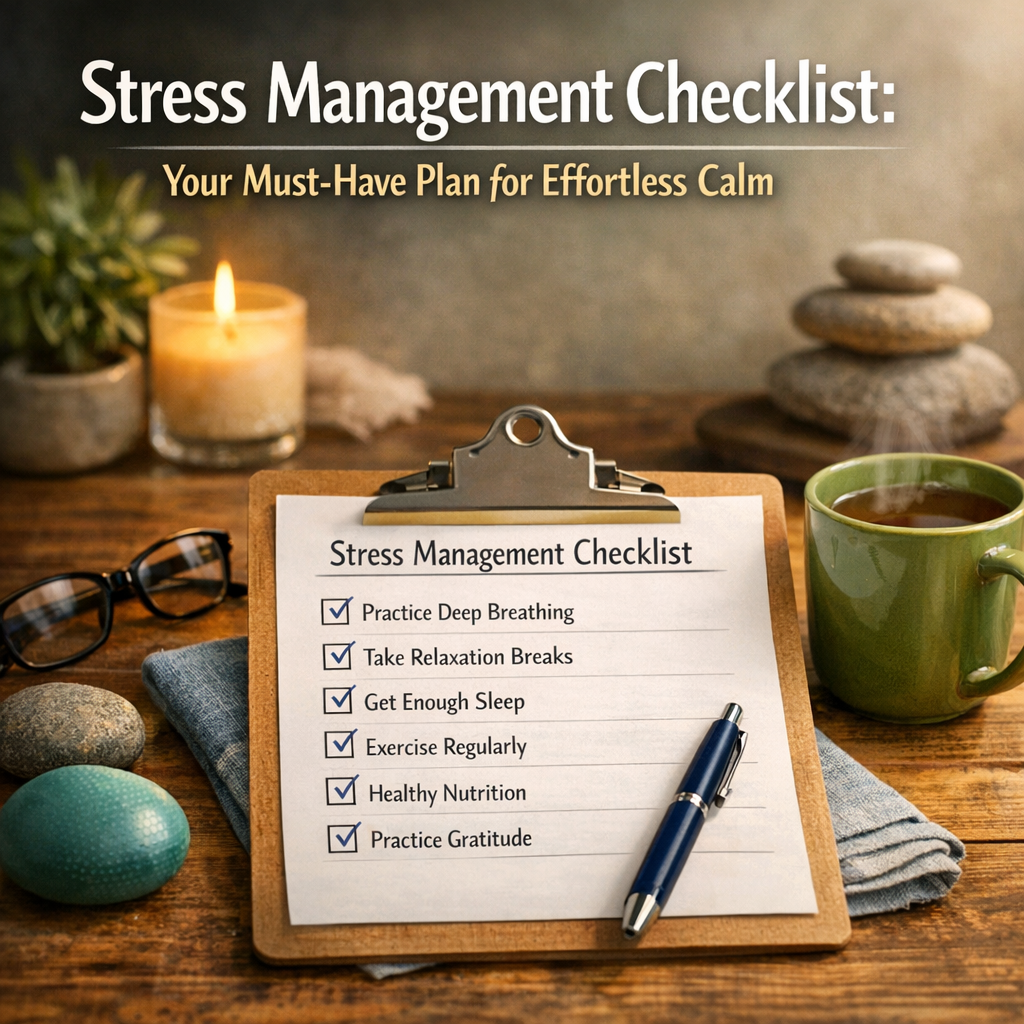
Stress is a natural response to challenges but becomes harmful when it persists unmanaged. A stress management checklist helps you identify key areas where stress impacts your life and provides actionable steps to mitigate it. The aim isn’t just to reduce stress temporarily but to create habits and systems that promote long-term resilience and tranquility.
In crafting your own stress management plan, keeping track of your stressors and your responses can transform chaos into clarity. Let’s dive into a practical checklist designed for all levels of stress, from mild tension to more intense overwhelm.
Key Elements of Your Stress Management Checklist
1. Identify Your Stress Triggers
Start by taking note of situations, people, or habits that trigger your stress. Common examples may include:
– Heavy workload deadlines
– Financial worries
– Conflict in relationships
– Health concerns
– Lack of sleep
Recording these triggers provides insight into when and why stress occurs, empowering you to anticipate and prepare for these moments.
2. Practice Mindful Breathing and Relaxation Techniques
When you feel tension creeping in, slow, mindful breathing can act as an immediate reset button. Include these relaxation methods in your checklist:
– Deep diaphragmatic breathing (inhale deeply for 4 seconds, hold for 4, exhale for 6)
– Progressive muscle relaxation
– Guided meditation or mindfulness sessions
– Visualization of calm places or positive experiences
Regularly practicing these techniques can reduce physical responses to stress and improve your emotional well-being.
3. Maintain a Consistent Sleep Routine
Sleep directly affects your stress resilience. Ensure your checklist includes:
– Going to bed and waking up at the same time every day
– Creating a relaxing pre-sleep routine (e.g., reading, warm bath)
– Minimizing screen time at least an hour before bedtime
– Keeping your bedroom cool, quiet, and dark
Getting enough restful sleep fortifies your body’s ability to manage stress hormones effectively.
4. Establish Healthy Boundaries
Stress often accumulates from overstretching yourself. Your stress management plan should encourage you to:
– Learn to say no without guilt
– Delegate tasks when possible
– Limit exposure to negative influences
– Schedule downtime and personal space
Boundaries create a protective buffer and reduce unnecessary mental clutter.
5. Incorporate Regular Physical Activity
Exercise is a natural antidote to stress. It releases endorphins, enhances mood, and improves overall health. Include in your checklist:
– At least 30 minutes of moderate activity most days of the week
– Activities you enjoy like walking, swimming, yoga, or dancing
– Stretching breaks during sedentary work hours
Even small bursts of movement can break the cycle of stress and fatigue.
6. Practice Positive Social Connections
Strong social support networks help reduce stress by providing emotional backing and practical help. Your plan should include:
– Spending quality time with friends and family
– Engaging in community or group activities
– Communicating openly about your feelings
– Seeking help from trusted individuals or professionals when overwhelmed
Feeling connected combats loneliness and fosters a sense of belonging.
7. Monitor Your Diet and Hydration
What you consume greatly influences your mood and energy levels. In your checklist, consider:
– Eating balanced meals rich in nutrients such as fruits, vegetables, and whole grains
– Limiting caffeine, sugar, and processed foods
– Staying hydrated with water throughout the day
A well-nourished body can better withstand stress and repair itself.
8. Set Realistic Goals and Prioritize Tasks
Stress often arises from feeling overwhelmed by too much to do. To prevent this:
– Break large goals into manageable steps
– Prioritize tasks by importance and deadlines
– Use lists or planning tools to organize your day
– Celebrate small accomplishments to stay motivated
Effective time management reduces anxiety about productivity.
Building Your Personalized Stress Management Plan
A stress management plan is your toolbox gathered from your checklist activities, tailored to your unique life circumstances. Here’s how you can create one:
1. Assess Your Current Stress Levels: Use journals, apps, or self-reflection to rate your stress daily.
2. Select Strategies from Your Checklist: Pick methods that resonate most and suit your lifestyle.
3. Schedule Regular Check-Ins: Weekly or monthly, review what works and adjust.
4. Make It Accessible: Write your plan down or save it digitally, so it’s easy to reference.
5. Seek Professional Guidance if Needed: Therapists, coaches, or counselors can provide additional support.
Remember, consistency is key. A stress management plan isn’t a quick fix but an evolving practice that grows with you.
Conclusion: Embrace Calm through Intentional Planning
Incorporating a stress management checklist into your life is a proactive step toward effortless calm. It makes managing pressure less daunting and more systematic, fostering mental clarity and emotional stability. By identifying your stressors, adopting healthy habits, and building a personalized plan, you gain control over your stress instead of letting it control you. Start today and empower your journey to lasting peace and well-being.