Strength Training for Beginners Checklist: Your Must-Have Easy Plan
Starting a new fitness routine can be overwhelming, but having a clear strength training for beginners checklist can make the journey much smoother and more effective. Strength training isn’t just for bodybuilders or athletes; it offers immense benefits for everyone, including improved muscle tone, better metabolism, enhanced bone density, and overall increased physical confidence. Whether you’re stepping into the gym for the first time or setting up a home workout space, this article will guide you through a practical, easy-to-follow strength training for beginners plan to help you build a strong foundation.
Why Strength Training is Important for Beginners
Before diving into the checklist, it’s helpful to understand why strength training deserves a place in your fitness regime. As you age, muscle mass naturally declines, leading to decreased strength, mobility issues, and even increased risk of injury. Strength training reverses this by stimulating muscle growth and improving joint health. For beginners, starting with the right exercises and progression method prevents injury and ensures sustainable improvement.
Strength Training for Beginners Checklist
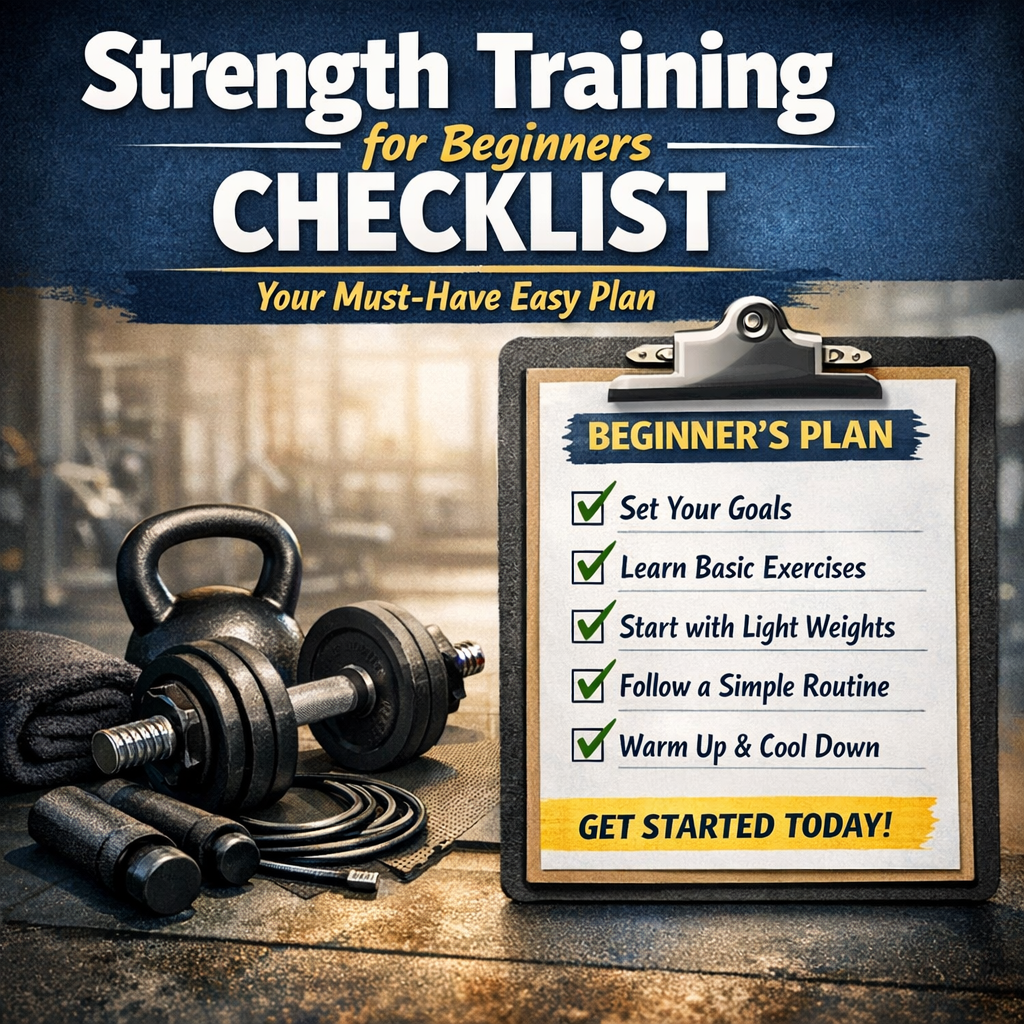
Here’s an essential checklist to guide beginners through their initial strength training journey:
1. Set Clear, Realistic Goals
Setting goals helps you stay motivated and track progress. Are you aiming to build muscle, lose fat, improve endurance, or simply get stronger? Define specific and measurable goals like “increase bench press weight by 10 pounds in 8 weeks” or “perform 3 push-ups with perfect form.”
2. Understand Basic Movements
Focus on mastering fundamental exercises such as:
– Squats
– Lunges
– Push-ups
– Deadlifts
– Planks
– Overhead presses
These compound movements engage multiple muscle groups, providing efficient and balanced strength gains.
3. Choose the Right Equipment
You don’t need fancy gym gear to start. For beginners, the essentials might include:
– A set of adjustable dumbbells or resistance bands
– A sturdy mat for floor exercises
– Comfortable workout clothes and supportive shoes
If using a gym, familiarize yourself with machines and free weights slowly.
4. Warm-Up Properly
Warm-up prevents injury and improves performance. Spend 5–10 minutes on light cardio (e.g., brisk walking, cycling) followed by dynamic stretches targeting major muscle groups to prepare your body for lifting.
5. Follow a Structured Strength Training for Beginners Plan
A beginner-friendly plan should include:
– 2 to 3 sessions per week to allow muscle recovery
– Full-body workouts each session to maximize muscle engagement
– 1 to 3 sets of 8 to 12 repetitions per exercise
– Progressive overload—gradually increasing resistance or reps to challenge muscles
Sample beginner workout:
| Exercise | Sets | Reps |
|——————|——|——-|
| Bodyweight Squat | 3 | 10-12 |
| Push-Up | 3 | 8-12 |
| Dumbbell Row | 3 | 10 |
| Plank Hold | 3 | 20-30 sec |
| Glute Bridge | 3 | 12 |
6. Track Your Progress
Keep a workout journal or use apps to log exercises, weights, and reps. Tracking helps you see improvement and stay consistent.
7. Prioritize Proper Form
Correct technique reduces injury risk and maximizes effectiveness. Consider working with a trainer at first or watch reputable instructional videos. Avoid the temptation to lift heavier weights at the expense of good form.
8. Allow Recovery Time
Muscles need time to repair and grow. Aim to have at least one rest day between strength training sessions and focus on quality sleep and nutrition.
9. Stay Consistent and Patient
Strength gains come gradually. Don’t get discouraged if progress seems slow at first. Consistency over weeks and months brings the best results.
Essential Tips to Complement Your Strength Training for Beginners Plan
– Nutrition: Consume adequate protein, healthy fats, and complex carbohydrates to fuel workouts and repair muscle.
– Hydration: Drink plenty of water throughout the day to stay hydrated and support recovery.
– Listen to Your Body: If you experience sharp pain or extreme discomfort, stop and consult a healthcare professional.
Common Beginner Mistakes to Avoid
– Skipping warm-ups or cool-downs
– Lifting weights that are too heavy too soon
– Ignoring rest days
– Focusing only on one muscle group
– Neglecting nutrition and hydration
By being mindful of these pitfalls, you ensure a safe and enjoyable training experience.
Conclusion
A well-structured strength training for beginners checklist provides clarity and confidence as you embark on your fitness journey. With a focus on basic movements, gradual progression, proper technique, and consistency, your easy-to-follow plan will help you build strength, improve health, and feel better in your body. Remember, every expert started as a beginner, and your commitment today lays the foundation for a healthier tomorrow. Start simple, track your progress, and enjoy the process!