Posture Improvement for Beginners: Must-Have Tips for Effortless Success
Good posture is more than just standing straight—it’s a cornerstone of overall health, confidence, and well-being. For many people, especially those new to mindful body alignment, posture improvement can seem daunting. However, with the right guidance, beginner posture improvement can become an easy, even enjoyable, habit to develop. Whether you spend hours at a desk or simply want to project confidence and reduce discomfort, these must-have tips will help you achieve effortless success in improving your posture.
Understanding the Importance of Posture Improvement for Beginners
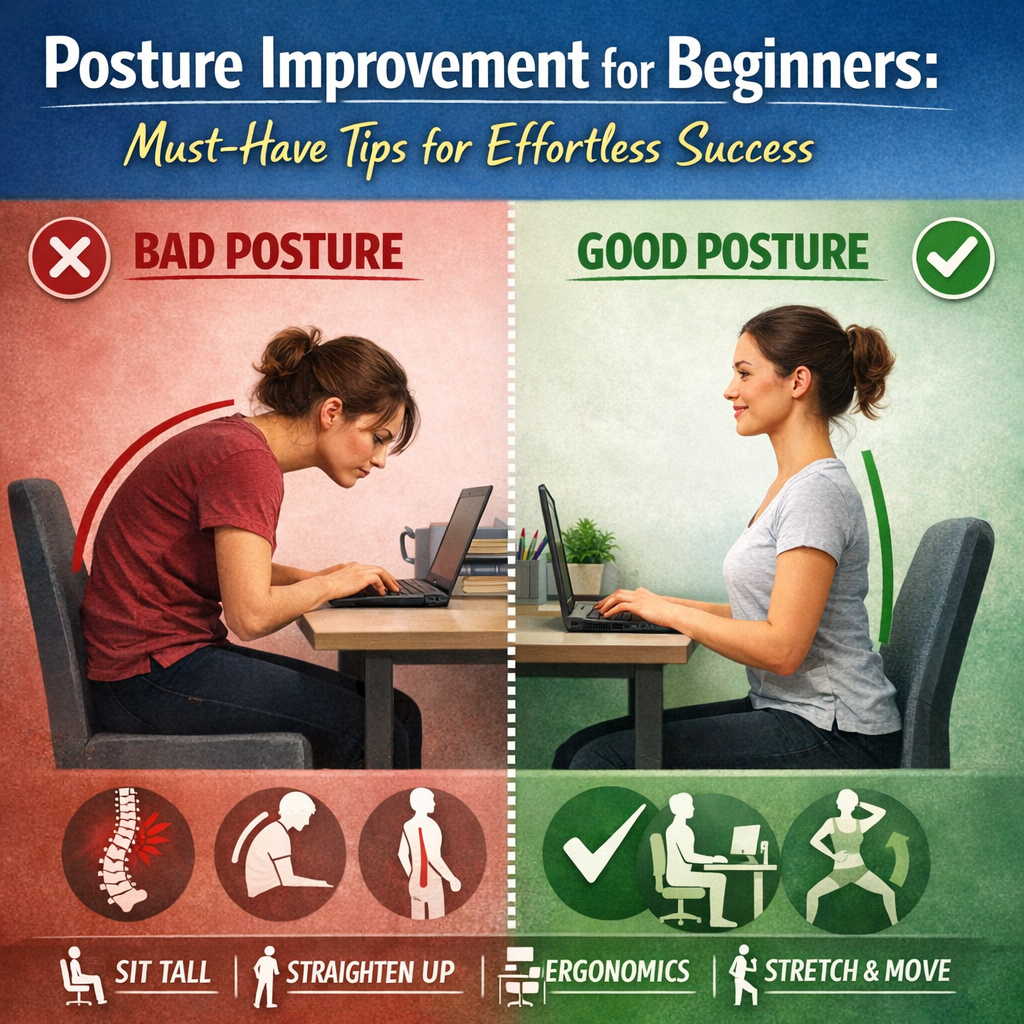
Before diving into actionable tips, it’s essential to understand why posture matters in the first place. Poor posture can lead to chronic back and neck pain, headaches, reduced lung capacity, and even digestive issues. For beginners, establishing good posture early on prevents long-term damage and sets a foundation for better physical function.
Improving posture doesn’t necessitate drastic changes overnight. In fact, gradual awareness and small adjustments yield lasting results. By focusing on beginner posture improvement strategies, you can avoid frustration and keep motivation high.
Must-Have Tips for Posture Improvement for Beginners
1. Become Mindfully Aware of Your Posture
The first step in any beginner posture improvement journey is simply noticing how you hold your body throughout the day. Check in with yourself regularly—whether you’re sitting, standing, or walking—and see if your shoulders are slouching or if your head juts forward. Using reminders, such as phone alerts or sticky notes on your workstation, can help build this awareness habit.
2. Optimize Your Workstation Ergonomics
For many beginners, poor posture stems from an ill-designed workstation. Adjust your chair height so your feet rest flat on the floor, elbows form a 90-degree angle when typing, and your computer screen is at eye level. This setup reduces strain on your neck and back and encourages a more natural alignment.
3. Strengthen Your Core Muscles
Core strength plays a pivotal role in supporting proper posture. Exercises such as planks, bridges, and pelvic tilts engage the muscles around your abdomen, hips, and lower back, providing the structural support your spine needs. Beginners can start with gentle, low-impact core workouts and gradually increase intensity.
4. Practice Posture-Friendly Habits Throughout the Day
Integrate posture-friendly activities into your daily routine. For example, when standing, keep your weight evenly distributed on both feet, avoid locking your knees, and gently engage your abdominal muscles. When sitting, try to keep your back straight against the chair and avoid crossing your legs, as this can cause imbalances.
5. Incorporate Stretching and Mobility Exercises
Tight muscles often contribute to poor posture. Areas like the chest, shoulders, and hip flexors can become shortened due to prolonged sitting. Regular stretching that targets these muscles helps restore flexibility and encourages better alignment. Yoga poses such as cat-cow stretches and chest openers are excellent options for beginners.
6. Use Posture Aids Wisely
Posture braces and ergonomic supports can assist beginners in maintaining proper alignment, especially during long periods of sitting or standing. However, they should be used as a supplemental aid—not as a permanent fix—since overdependence can weaken natural muscle support. Combine their use with active posture-building exercises.
The Role of Consistency in Beginner Posture Improvement
One of the biggest challenges beginners face is maintaining consistent posture habits. It’s important to remember that posture improvement is a marathon, not a sprint. By setting small, achievable goals and tracking progress, you can steadily build muscle memory and eliminate harmful habits. Even simple practices, like checking your posture every hour or performing a short stretch routine each morning, contribute significantly over time.
When to Seek Professional Guidance
While these beginner posture improvement tips are effective for many, some individuals might experience persistent discomfort or underlying structural issues. Consulting with a physical therapist, chiropractor, or certified posture coach can provide personalized assessments and tailored exercises to address specific needs. Early intervention often prevents minor issues from becoming chronic problems.
Final Thoughts on Posture Improvement for Beginners
Posture improvement for beginners doesn’t have to be overwhelming. By becoming aware, setting up your environment thoughtfully, strengthening your core, and practicing regular stretching, you can make meaningful progress toward better posture. Remember, the goal is effortless success—small, manageable changes that fit seamlessly into your lifestyle will yield the best results. Starting today, you can take simple steps to improve your posture and, by extension, improve your health, confidence, and comfort for years to come.