Mental Wellness Checklist: Your Must-Have Plan for Lasting Peace
In today’s fast-paced world, maintaining emotional and psychological health is more important than ever. A mental wellness checklist is a crucial tool to help individuals cultivate balance, resilience, and peace in their daily lives. Whether you are navigating stress at work, managing relationships, or dealing with uncertainty, having a well-structured mental wellness plan can set you on the path to lasting mental clarity and emotional stability.
This article explores the essential components of a mental wellness checklist and guides you through creating your personalized mental wellness plan that promotes sustained well-being.
What is a Mental Wellness Checklist?
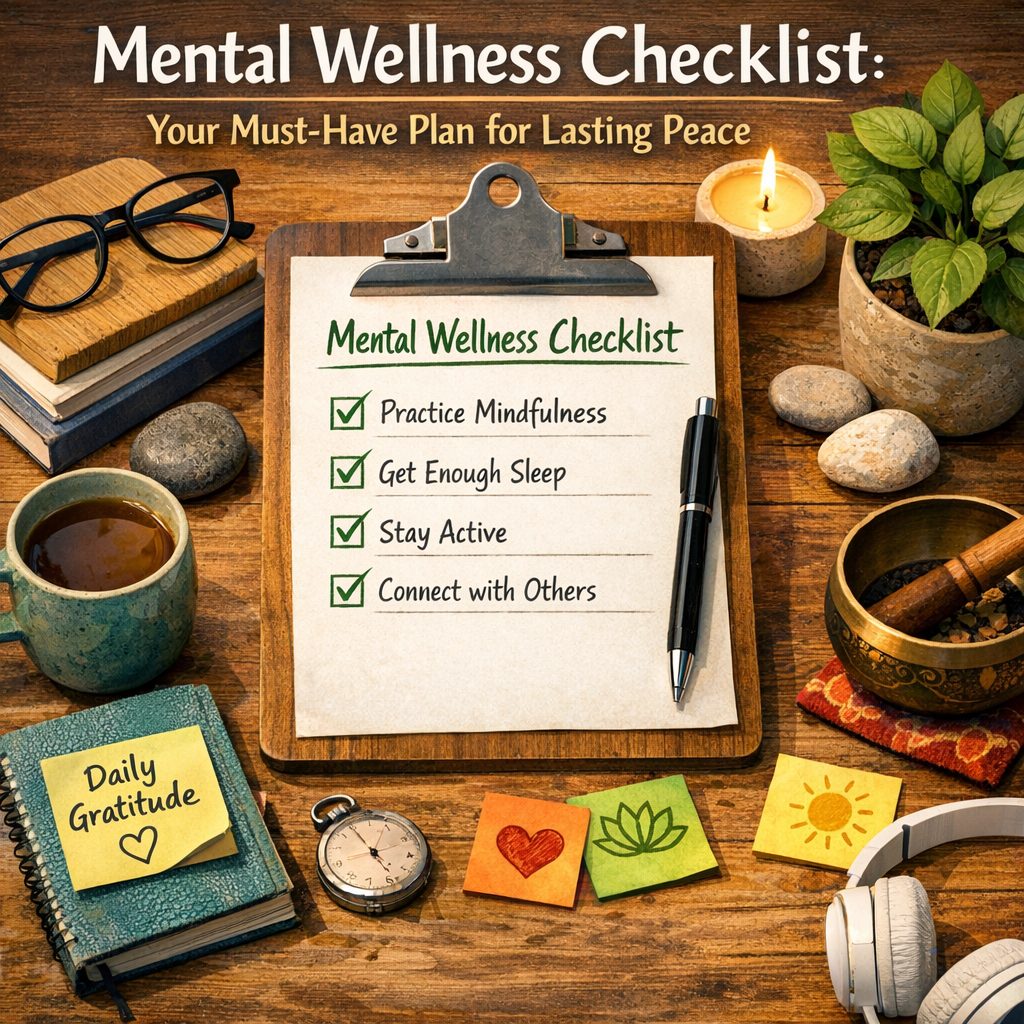
A mental wellness checklist is a thoughtfully curated list of habits, practices, and strategies that nurture your mental health. It serves as a daily or weekly reminder to prioritize self-care, recognize emotional signals, and respond to mental health needs proactively. Unlike one-size-fits-all advice, these checklists empower you to pinpoint helpful actions tailored to your mental wellness journey.
Why You Need a Mental Wellness Plan
Mental wellness doesn’t happen by chance—it requires consistency and mindfulness. A mental wellness plan breaks down overwhelming goals into manageable steps, making it easier to integrate healthy routines into busy schedules. A good plan also helps detect early signs of mental distress and encourages timely intervention.
In essence, a mental wellness plan acts as your personal roadmap for emotional resilience, stress management, and peace of mind.
Building Your Mental Wellness Checklist: Key Elements to Include
1. Prioritize Quality Sleep
Restful sleep is the cornerstone of mental health. Lack of sleep can amplify anxiety, impair cognitive function, and destabilize mood. Your checklist should include a regular bedtime, limiting screen exposure before sleeping, and creating a calm, dark, and cool environment.
2. Practice Mindfulness and Meditation
Mindfulness meditation calms the mind and improves emotional regulation. Even 5 to 10 minutes a day can lower stress hormones and increase feelings of peacefulness. Incorporate breathing exercises or guided meditation sessions into your checklist for consistent practice.
3. Engage in Regular Physical Activity
Exercise releases endorphins, often called the “feel-good” hormones, which naturally elevate mood. You don’t need an intense workout—walking, yoga, or stretching can all contribute to mental wellness. Schedule physical activity multiple times a week as a non-negotiable item on your list.
4. Maintain Social Connections
Meaningful relationships provide emotional support and foster a sense of belonging. Reach out regularly to friends or family, attend group activities, and nurture connections that uplift you. Social isolation can worsen mental health, so make interaction a priority.
5. Set Boundaries and Manage Stress
Identify sources of stress and learn to say no when overwhelmed. Your checklist can include regular breaks, time off from work emails, or hobbies that help you decompress. Managing stress effectively prevents burnout and anxiety disorders.
6. Practice Gratitude and Positive Affirmations
Focusing on gratitude reshapes your mindset by highlighting positive aspects of life. A daily journaling habit or simple mental acknowledgments can shift perspective and build optimism. Positive affirmations boost self-esteem and resilience.
7. Seek Professional Support When Needed
Recognize when to reach out to mental health professionals such as therapists, counselors, or support groups. Including scheduled therapy appointments or check-ins in your mental wellness plan normalizes seeking help and provides a safety net.
How to Create Your Personalized Mental Wellness Plan
Step 1: Assess Your Current Mental Health
Begin by reflecting on your emotional and psychological state. Identify stressors, coping mechanisms, and areas needing improvement. This self-awareness helps tailor your checklist to what serves you best.
Step 2: Choose Practical and Achievable Actions
Start small with realistic goals. For example, instead of vowing an hour-long workout daily, commit to 10 minutes of stretching or walking. Gradually build upon these habits until they feel natural.
Step 3: Schedule Your Checklist
Consistency is key to building lasting mental wellness. Use calendar reminders, journals, or mental health apps to track your progress. Treat these actions like important appointments.
Step 4: Review and Adapt
Mental wellness is dynamic. Periodically revisit your checklist to add new healthy habits or modify ones that are less effective. Celebrate successes and learn from challenges without judgment.
The Benefits of Following a Mental Wellness Checklist
Having a structured approach to mental wellness fosters clarity, reduces overwhelm, and enhances motivation. Individuals report improved mood stability, better stress management, and a stronger connection to themselves and others. Over time, this can translate to enduring peace and a more fulfilling life.
—
Maintaining mental well-being is a continual process, but a well-crafted mental wellness checklist can be your trusted companion. By consciously incorporating habits that nourish your mind and spirit, you set the foundation for resilience and joy amid life’s uncertainties. Commit to your mental wellness plan today and unlock the lasting peace you deserve.