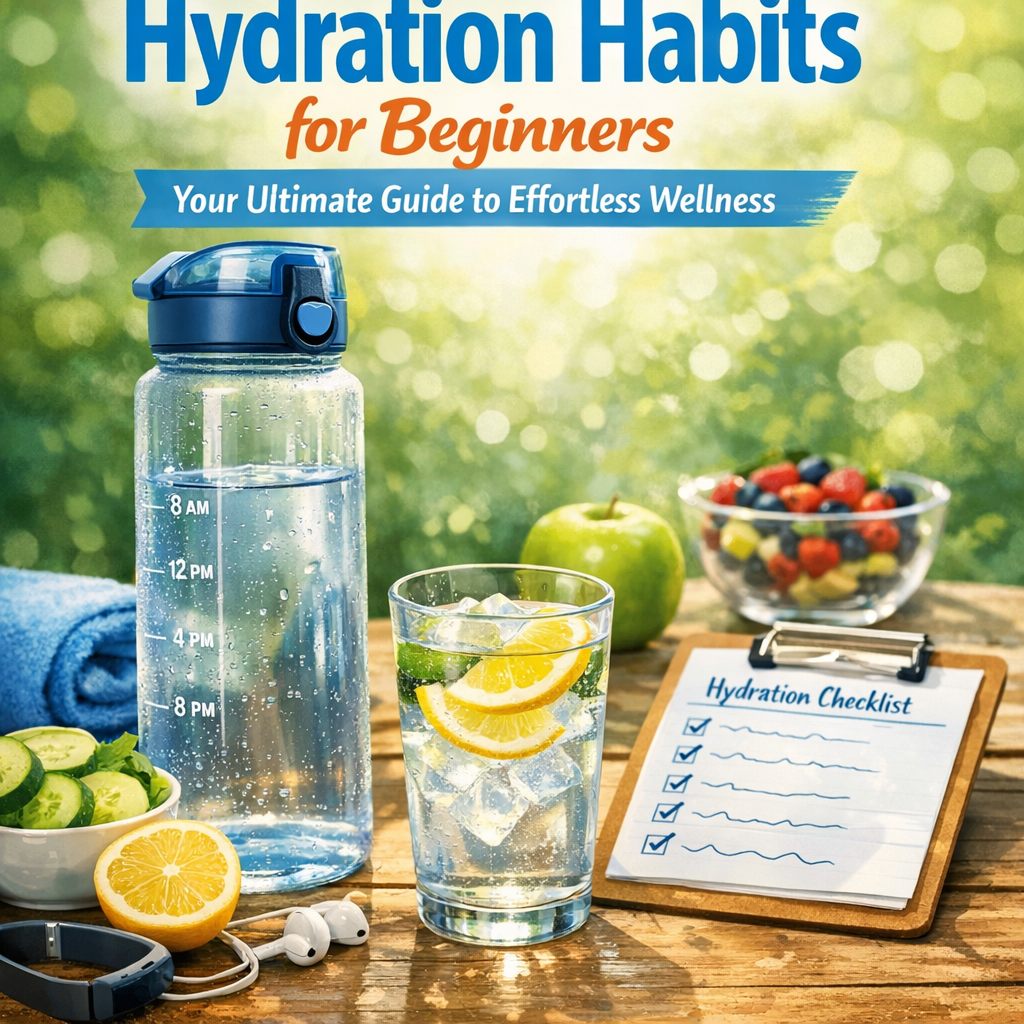
Hydration Habits for Beginners: Your Ultimate Guide to Effortless Wellness
Staying properly hydrated is one of the simplest yet most essential ways to boost your overall health and well-being. For those new to paying attention to fluid intake, hydration habits for beginners can seem overwhelming at first. However, with clear guidance and a few easy strategies, cultivating healthy hydration habits becomes a rewarding and natural part of your daily routine.
In this ultimate guide, we’ll explore the why and how of hydration, practical tips to improve your everyday water intake, and the benefits that result from consistent beginner hydration habits.
Why Hydration Habits for Beginners Matter
Proper hydration affects every system in the body—from maintaining skin elasticity to supporting digestion, regulating body temperature, and even influencing energy levels and cognitive function. Dehydration, even in mild forms, can lead to headaches, fatigue, poor concentration, and mood swings, all of which impact daily productivity and overall happiness.
For beginners, it’s important to understand that hydration is more than just “drinking water when thirsty.” Thirst is often a late indicator of dehydration, and proactive, mindful fluid intake helps ensure your body functions optimally around the clock.
Beginner Hydration Habits: Easy Steps to Get Started
If you’re new to structuring your daily water intake, start with these simple hydration habits for beginners:
1. Start Your Day with Water
Begin your morning routine by drinking a glass of water before coffee or breakfast. Overnight, the body becomes naturally dehydrated, and replenishing fluids right away helps jumpstart your metabolism, rehydrates your cells, and promotes better digestion.
2. Set Realistic Daily Goals
Hydration needs can vary widely based on factors like activity level, weather, and body size. A common recommendation is about 8 cups (64 ounces) of water daily, but beginners should customize this amount. Use a water tracking app or simply carry a reusable water bottle with capacity indicators to monitor how much you’re drinking throughout the day.
3. Drink Water Consistently Throughout the Day
Rather than gulping large amounts at once, spread your intake evenly. Establish mini-habits like sipping water after every bathroom break, before and after meals, or following every hour of screen time. Consistency is key to maintaining proper hydration.
4. Infuse Flavor to Enhance Enjoyment
If plain water feels boring, try adding natural flavors like slices of cucumber, lemon, berries, or fresh herbs such as mint. This not only improves taste but also encourages you to drink more without added sugars or artificial ingredients.
5. Include Hydrating Foods in Your Diet
Hydration isn’t just about beverages. Many fruits and vegetables have high water content and contribute significantly to your overall hydration. Watermelon, cucumbers, oranges, and strawberries are delicious ways to boost fluid intake effortlessly.
6. Pay Attention to Your Body’s Signals
Beginners need to learn to recognize signs of dehydration early—dry mouth, tiredness, dark urine, or dizziness. Listening to these signals helps adjust intake promptly, preventing more serious effects.
Benefits of Adopting Beginner Hydration Habits
When you commit to beginner hydration habits, remarkable health benefits follow. Here are some positive changes you might notice in just weeks:
– Improved Energy Levels: Fluids help transport oxygen and nutrients to cells, creating more energy and reducing fatigue.
– Better Skin Health: Staying hydrated keeps your skin plump and radiant while reducing dryness and irritation.
– Enhanced Cognitive Function: Proper fluid levels boost concentration, alertness, and memory, making daily tasks easier.
– Efficient Digestion and Detoxification: Water aids in breaking down food and flushing toxins from the body, reducing bloating and promoting regularity.
– Mood Stabilization: Dehydration can worsen feelings of anxiety or stress—adequate hydration supports a calmer mental state.
– Physical Performance: Muscles and joints benefit from hydration, improving exercise endurance and reducing injury risk.
Common Challenges and How to Overcome Them
It’s normal to encounter hurdles as you build beginner hydration habits. Some common issues and solutions include:
– Forgetting to Drink: Use smartphone reminders or associate drinking water with routine activities like brushing teeth.
– Disliking Water Taste: Experiment with temperature (warm vs. cold), carbonated water, or natural flavor infusions.
– Busy Schedule: Carry a portable bottle and take small sips throughout the day, even during hectic moments.
– Not Feeling Thirsty: Train yourself to drink on a schedule rather than relying solely on thirst cues.
Final Thoughts on Hydration Habits for Beginners
Starting with beginner hydration habits may feel small, but these changes have a profound cumulative effect on your long-term wellness. The key is to keep it simple, sustainable, and enjoyable—make water a pleasant, easy-to-access part of your lifestyle rather than a chore.
By incorporating these straightforward strategies, you can effortlessly support your body’s most fundamental need and enjoy the many benefits that come with consistent, mindful hydration.
Remember: wellness starts with water. Cheers to your health!