How to Improve Healthy Meal Planning: Stunning Tips for Effortless Success
Healthy meal planning is a cornerstone of maintaining a balanced diet and improving overall well-being. However, many people struggle with sticking to consistent, nutritious meals due to busy schedules, lack of inspiration, or confusion about what to prepare. Understanding how to improve healthy meal planning can transform mealtime from a source of stress into an enjoyable and rewarding routine. In this article, we will explore practical, stunning tips that make meal planning not only effortless but also effective in helping you reach your health goals.
Why Focus on Healthy Meal Planning?
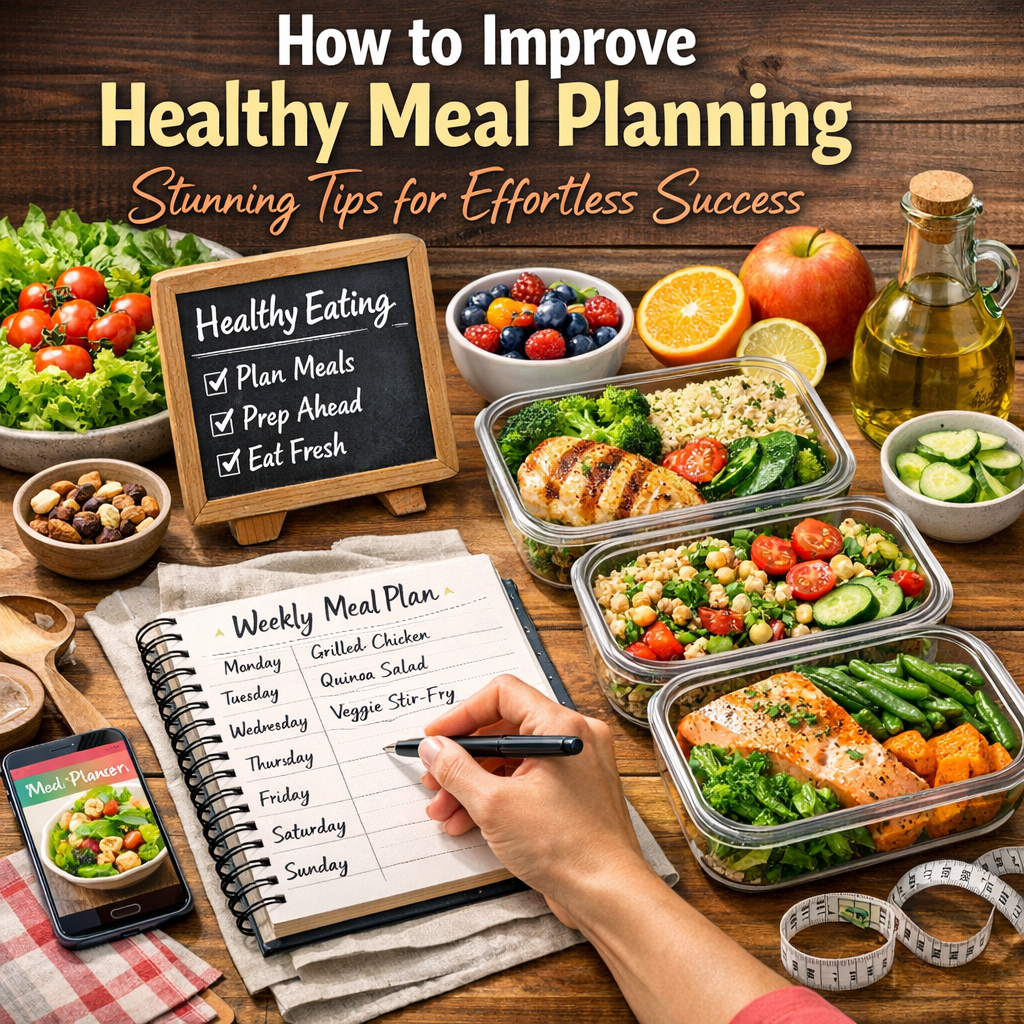
Before diving into the tips, it’s important to understand why meal planning matters. Planning your meals ahead allows you to:
– Control portions and avoid overeating
– Incorporate a variety of nutrients into your diet
– Save time and reduce daily decision fatigue
– Minimize food waste and unnecessary expenses
By learning how to improve healthy meal planning, you empower yourself to make intentional food choices that nourish your body and keep you energized throughout the day.
How to Improve Healthy Meal Planning: Step-by-Step Guide
1. Start with a Realistic Weekly Meal Schedule
One of the biggest barriers to consistent meal planning is setting unrealistic goals. To avoid overwhelm, begin with a manageable plan. For example, plan meals for five days and leave weekends flexible or reserved for leftovers. This approach balances structure with flexibility, making the process more sustainable.
Think about the times you’ll be eating and how long you can realistically devote to preparing meals. This will help you select recipes that fit your lifestyle, whether that’s quick breakfasts or hearty dinners requiring longer cooking.
2. Build Your Grocery List Around Nutrient-Dense Staples
A well-planned grocery list simplifies shopping and ensures you always have the basic ingredients needed for healthy meals. Focus on foods that provide rich nutrients without excessive calories, such as:
– Fresh vegetables and fruits
– Whole grains like brown rice, quinoa, and oats
– Lean proteins like chicken breast, fish, tofu, and legumes
– Healthy fats such as avocados, nuts, and olive oil
Stocking your pantry and fridge with these staples makes it easier to whip up balanced meals without having to run to the store frequently.
3. Batch Cook and Prep Ingredients in Advance
Batch cooking is a game-changer when learning how to improve healthy meal planning. Dedicate a few hours once or twice a week to prepare grains, roast vegetables, or cook proteins in bulk. Store these prepped ingredients in airtight containers to mix and match throughout the week.
For instance, cooking extra quinoa and grilled chicken ahead of time allows for quick assembly of salads, grain bowls, or wraps in minutes, reducing the temptation to opt for unhealthy convenience foods.
4. Use Simple, Versatile Recipes for Variety
Meal planning doesn’t have to be complex or time-consuming. Look for simple recipes that include interchangeable ingredients to keep your menu exciting. For example, a basic stir-fry template can accommodate various vegetables and proteins depending on what you have at home.
Rotating your go-to recipes keeps boredom at bay and encourages better adherence to your healthy eating goals.
5. Incorporate Seasonal and Local Produce
Selecting seasonal fruits and vegetables not only supports local farmers but also enhances the flavor and nutritional quality of your meals. Seasonal produce tends to be fresher, more affordable, and packed with vitamins and antioxidants.
By focusing your meal planning around what’s in season, you introduce natural variety and elevate the taste of your dishes.
6. Plan for Leftovers and Smart Snacking
Efficient meal planning includes strategies for leftover management. Plan recipes that create leftovers that are just as tasty the next day, such as soups, stews, casseroles, or grain salads. This reduces waste and maximizes your cooking efforts.
Additionally, scheduling healthy snacks like nuts, fruit, yogurt, or vegetable sticks helps maintain energy levels between meals and prevents unhealthy grazing on processed foods.
7. Track Your Meals and Adjust as Needed
Keeping a simple food journal or using a meal planning app can help you stay accountable and assess what’s working in your plan. Monitor how you feel after meals, your energy, and satiety levels to fine-tune your selections.
Remember, meal planning is a dynamic process—be patient and willing to experiment until you find a rhythm that suits your taste buds and lifestyle.
Final Thoughts on How to Improve Healthy Meal Planning
Mastering healthy meal planning doesn’t happen overnight, but with these stunning tips, you can significantly ease the process and enjoy nutritious meals with minimal stress. By starting small, prepping ahead, focusing on versatile ingredients, and embracing seasonal produce, you create a sustainable system that supports your health goals effortlessly.
Ultimately, the key to success lies in flexibility and consistency. Give yourself grace, celebrate your progress, and watch as healthy eating becomes a natural, enjoyable part of your daily routine. With a little preparation and the right mindset, improving healthy meal planning can be one of the best investments you make in your wellness journey.