Heart Healthy Foods for Beginners: Must-Have Choices for Better Health
Starting a heart-healthy diet can feel overwhelming, especially when you’re unsure which foods are best to support your cardiovascular system. The good news is that incorporating heart healthy foods for beginners into your daily routine doesn’t have to be complicated. By making simple, deliberate choices, you can significantly improve your heart health, increase your energy levels, and even reduce the risk of chronic diseases. This article aims to guide you through some beginner heart healthy foods that are nutritious, delicious, and easy to prepare.
Why Choose Heart Healthy Foods for Beginners?
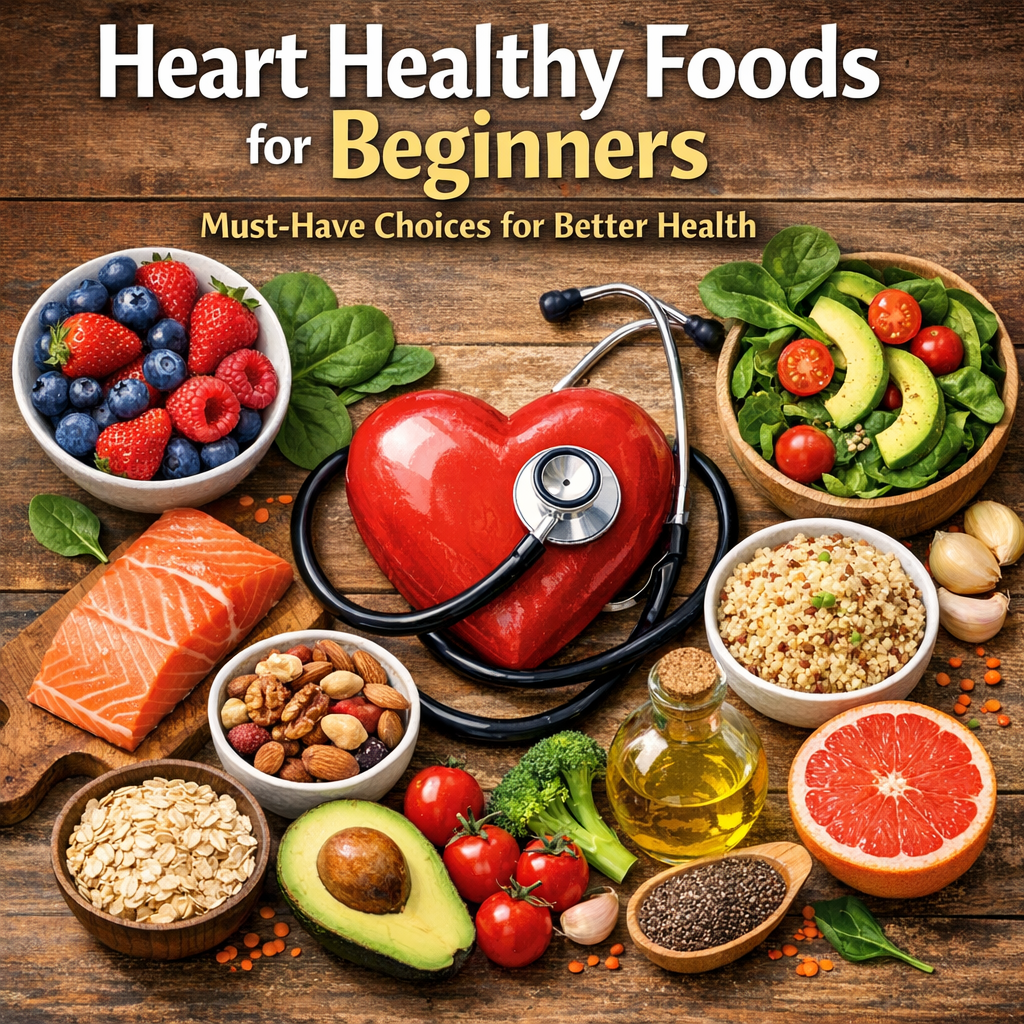
For those new to heart-conscious eating, understanding the importance of the right foods is the first step. Heart healthy foods help reduce cholesterol, lower blood pressure, and decrease inflammation — all critical factors in maintaining cardiovascular health. Many of these foods are also rich in antioxidants, fiber, and essential nutrients that promote overall well-being.
Transitioning to heart-healthy eating doesn’t mean you need to overhaul your whole diet overnight. Instead, focusing on beginner heart healthy foods with proven benefits allows you to create sustainable habits gradually. Let’s dive into some essential food choices to keep your heart in top shape.
Top Beginner Heart Healthy Foods to Add to Your Diet
1. Oats and Whole Grains
Oats are a classic example of heart-friendly starter foods thanks to their high soluble fiber content. Soluble fiber helps lower LDL (bad) cholesterol levels, improving your heart function. Incorporate oatmeal, whole wheat bread, brown rice, or quinoa into your meals for a fiber boost that also promotes satiety.
2. Fatty Fish
Omega-3 fatty acids found in fatty fish like salmon, mackerel, tuna, and sardines have been shown to reduce inflammation and the risk of heart disease. Aim to include fatty fish at least twice a week. If fish isn’t appealing, flaxseeds and chia seeds provide plant-based omega-3s as good alternatives.
3. Fresh Fruits and Vegetables
Colorful fruits and vegetables are the foundation of any heart healthy diet. They contain antioxidants, vitamins, and minerals that protect arteries and improve vascular function. Beginners should focus on dark leafy greens (such as spinach and kale), berries, oranges, and bell peppers. These foods help lower blood pressure and cholesterol naturally.
4. Nuts and Seeds
Simple snacks like walnuts, almonds, and flaxseeds pack healthy monounsaturated fats, fiber, and plant sterols, which help reduce cholesterol levels. Nuts also provide magnesium and potassium that support normal heart rhythm. Keeping a small portion of unsalted nuts daily can be a very effective heart-healthy habit.
5. Legumes
Beans, lentils, chickpeas, and peas are packed with protein and soluble fiber while being low in unhealthy fats. Legumes are excellent for beginner heart healthy foods as they stabilize blood sugar and lower LDL cholesterol. Plus, they make versatile additions to salads, soups, and stews.
6. Olive Oil
Replacing saturated fats like butter with extra virgin olive oil brings heart benefits due to its antioxidant compounds and healthy fats. Olive oil can be used for cooking or as a salad dressing to enhance flavor while promoting cardiovascular health.
How to Incorporate Beginner Heart Healthy Foods into Your Daily Routine
Transitioning to a heart-conscious eating pattern doesn’t require drastic change. Here are some easy tips:
– Start your day with oatmeal topped with fresh berries and a sprinkle of flaxseeds.
– Swap out white bread for whole-grain alternatives in sandwiches and toast.
– Add a handful of nuts as an afternoon snack instead of processed chips or sweets.
– Include a serving of fatty fish in your dinner, paired with steamed vegetables.
– Use olive oil as your primary cooking oil and salad dressing base.
– Try adding beans or lentils to soups, salads, or casseroles for extra fiber and protein.
Avoid Common Pitfalls
While focusing on what to add, also be mindful of what to reduce. Limit processed foods high in saturated fats, excessive salt, and added sugars. Reducing sugary drinks and fried foods further supports heart health and helps maintain a healthy weight.
Benefits Beyond Heart Health
Choosing beginner heart healthy foods not only protects your cardiovascular system but also enhances overall wellness. Many of these foods improve digestion, promote better blood sugar control, boost brain function, and reduce the risk of certain cancers. This holistic approach to nutrition can improve your quality of life substantially.
Final Thoughts
Adopting heart healthy foods for beginners is a smart investment in your long-term health. With simple swaps and thoughtful additions, you can create a nutrient-rich diet that supports a strong heart while satisfying your taste buds. Remember, consistency is key. Gradually embracing these beginner heart healthy foods will pave the way toward better cardiovascular function and overall vitality.
Start today by including some of these must-have choices in your meals, and enjoy the benefits of a healthier heart for years to come.