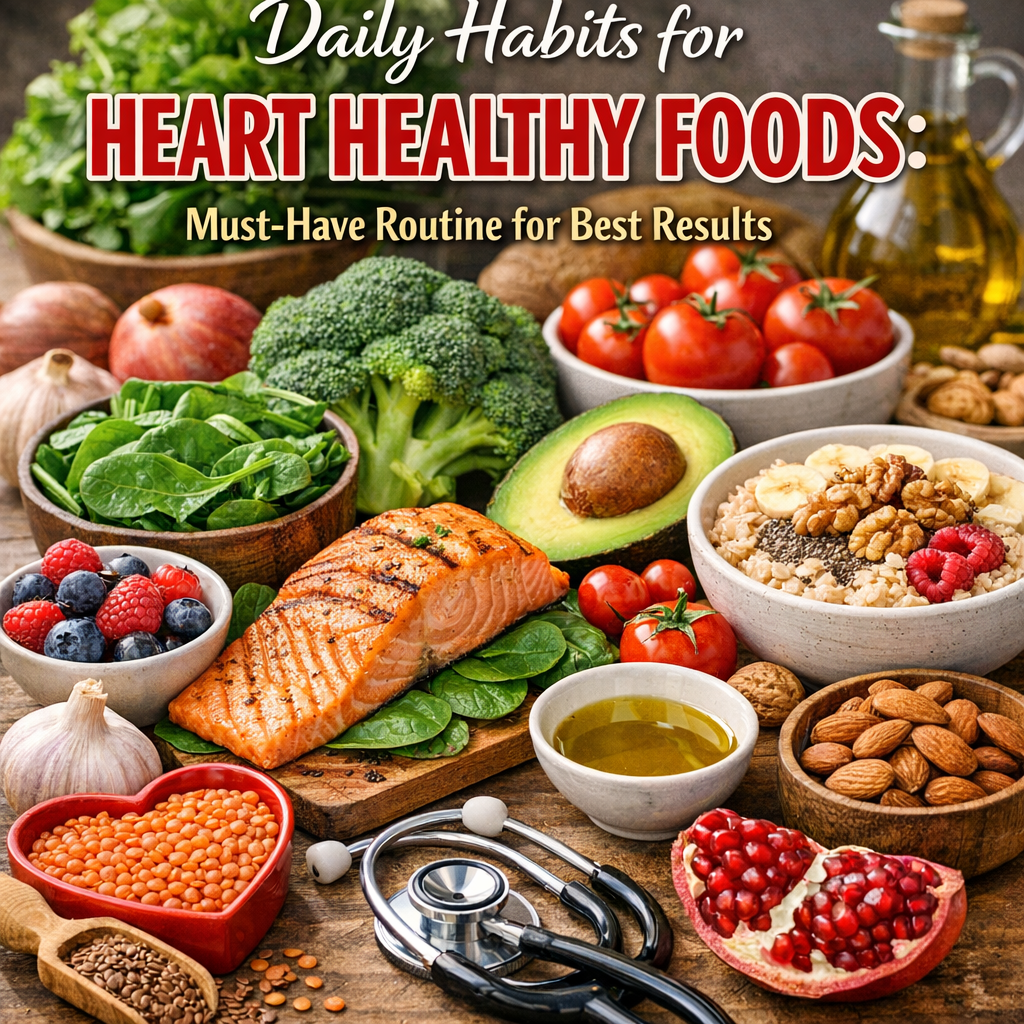
Daily Habits for Heart Healthy Foods: Must-Have Routine for Best Results
Incorporating daily habits for heart healthy foods into your lifestyle is one of the most effective ways to support cardiovascular health and reduce the risk of heart disease. The foods we eat play a significant role in determining our heart’s well-being, so establishing a consistent heart healthy foods routine can promote longevity and overall vitality.
Understanding the Importance of Heart Healthy Foods
Heart disease remains one of the leading health challenges worldwide, often linked to poor dietary choices. Consuming foods rich in nutrients that support heart health—such as fiber, antioxidants, healthy fats, vitamins, and minerals—helps maintain healthy blood pressure, cholesterol levels, and blood vessel function. Unlike crash diets, adopting steady daily habits for heart healthy foods ensures sustainable benefits for the heart over time.
Building a Heart Healthy Foods Routine: Key Components
A practical heart healthy foods routine doesn’t require drastic or overwhelming changes. Instead, it focuses on small but impactful daily habits that add up to big results.
1. Prioritize Plant-Based Foods Daily
One essential habit is to fill at least half your plate with plant-based options every day. Vegetables, fruits, legumes, and whole grains provide dietary fiber, antioxidants, and a variety of phytochemicals that protect heart health. The fiber helps reduce LDL cholesterol, while antioxidants fight inflammation—a major contributor to heart disease.
Try making a smoothie with spinach, berries, and flaxseeds for breakfast or a hearty vegetable and lentil soup for lunch. Incorporating colorful produce into meals not only boosts nutrition but also makes your routine enjoyable.
2. Choose Healthy Fats
Not all fats are created equal. Swapping saturated and trans fats for healthier unsaturated fats is a cornerstone of any heart healthy foods routine. Sources like avocados, nuts, seeds, olive oil, and fatty fish such as salmon provide omega-3 fatty acids that help lower triglycerides and improve arterial function.
A daily handful of almonds or walnuts as a snack can be an easy habit to implement. Similarly, cooking with olive oil rather than butter helps keep your fat intake heart-friendly.
3. Limit Processed and High-Sodium Foods
Processed foods often contain excessive salt, sugar, and unhealthy fats, which can raise blood pressure and cholesterol. Reducing sodium intake is crucial for maintaining heart health. A solid daily habit is to read nutrition labels and opt for low-sodium or no-added-salt versions of packaged foods.
Cooking at home with fresh ingredients also helps control sodium levels compared to eating out. Flavor meals with herbs, spices, and citrus instead of salt to keep dishes tasty and heart-friendly.
4. Incorporate Whole Grains Each Day
Whole grains such as oatmeal, quinoa, brown rice, and whole wheat bread are excellent sources of fiber and important nutrients like magnesium and selenium. These help regulate cholesterol and blood sugar, reducing the risk of heart conditions.
Start your day with a bowl of oatmeal topped with fruit, or choose whole grain options instead of refined grains for better heart health. Making whole grains a regular part of your daily habits for heart healthy foods is a smart and sustainable choice.
Practical Tips to Stay Consistent
Creating a heart healthy foods routine requires mindfulness but can be easy with some practical strategies:
– Meal Planning: Set aside time weekly to plan meals centered around heart-healthy ingredients. This eliminates guesswork and impulse purchases.
– Healthy Swaps: Gradually replace unhealthy staples with nutritious alternatives, such as using Greek yogurt instead of sour cream, or baked sweet potato fries instead of regular fries.
– Stay Hydrated: Drinking plenty of water supports overall cardiovascular function and helps manage appetite and metabolism.
– Moderation, Not Deprivation: Allow occasional indulgences to avoid feelings of restriction—balance is key in sustaining heart health.
Benefits of Daily Habits for Heart Healthy Foods
Adhering to a routine filled with heart healthy foods goes beyond just protecting your heart. You may experience:
– Improved energy levels due to better nutrient intake
– Weight management aided by fiber-rich whole foods and better metabolism
– Enhanced mental health from omega-3 fatty acids and antioxidant vitamins
– Reduced inflammation, lowering risks of multiple chronic diseases
Conclusion
Establishing daily habits for heart healthy foods is more than a temporary fix; it’s a lifetime commitment. Through simple adjustments—prioritizing plants, choosing healthy fats, limiting processed foods, and including whole grains—you set a solid foundation for vibrant heart health. Embracing a consistent heart healthy foods routine empowers you to enjoy each day with confidence and vitality, protecting one of your body’s most essential organs for years to come. Start small, stay consistent, and watch as these daily habits transform your health from the inside out.