Benefits of High Protein Meals: Exclusive Long-Term Health Advantages
The benefits of high protein meals extend far beyond muscle building and weight management. Including sufficient protein in your diet can have profound effects on your overall health, impacting everything from metabolism to immune function. Understanding these benefits is essential for making informed dietary choices that support your long-term well-being. In this article, we will explore the exclusive long-term health advantages of consistently consuming high protein meals and why they deserve a prominent place in your daily nutrition.
What Constitutes High Protein Meals?
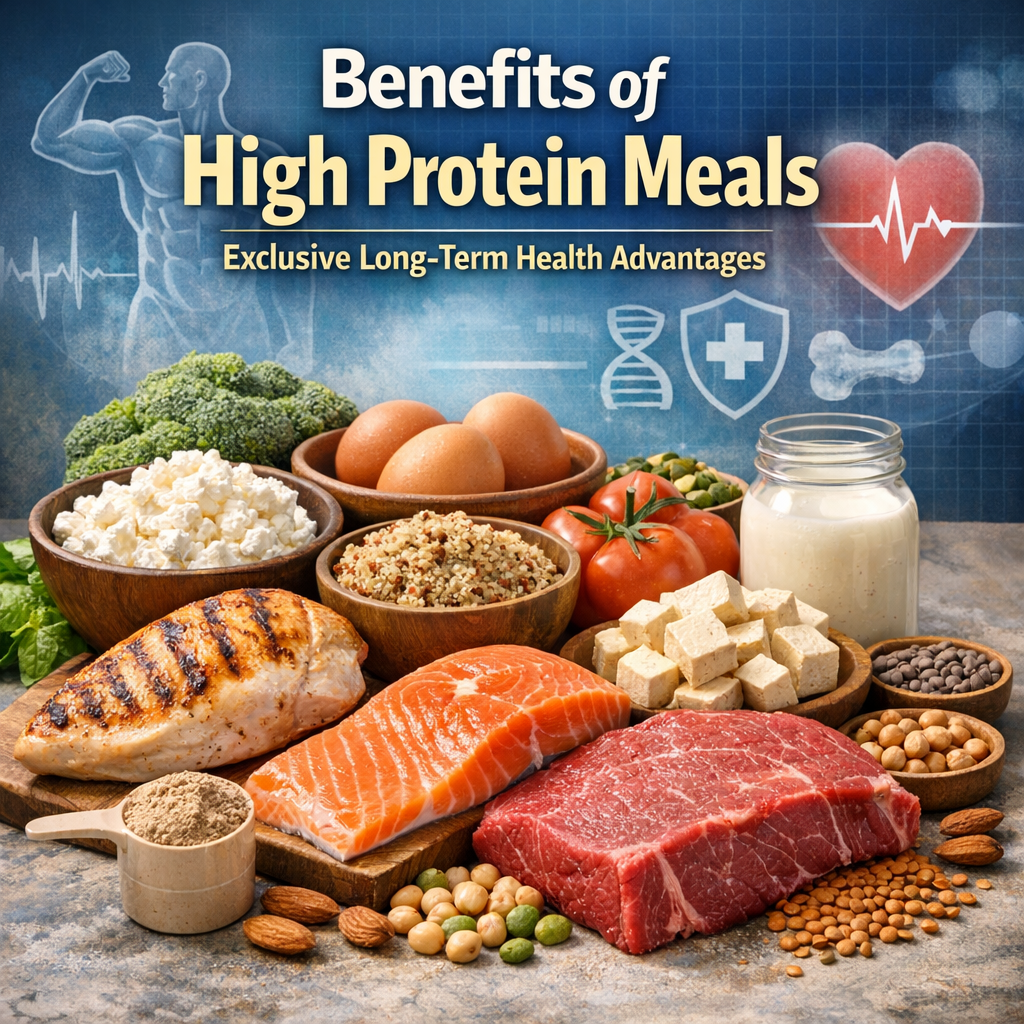
Before diving into the benefits, it’s important to define what high protein meals are. Typically, a high protein meal contains anywhere from 25 to 40 grams of protein, depending on individual dietary needs. Protein sources can be animal-based, such as lean meats, fish, eggs, and dairy, or plant-based, including legumes, nuts, seeds, and whole grains. Incorporating a variety of these sources ensures you get a complete range of amino acids essential for bodily functions.
The Metabolic Boost from Long Term High Protein Meals
One of the primary benefits of high protein meals is their ability to enhance metabolism. Protein has a higher thermic effect of food (TEF) compared to fats and carbohydrates, meaning your body uses more energy to digest protein-rich foods. This increased energy expenditure can improve your basal metabolic rate over time.
Adopting long term high protein meals can support healthier weight management by promoting fat loss while preserving lean muscle mass. Unlike diets focused solely on calorie restriction, a high protein intake helps sustain muscle during periods of caloric deficit, which is crucial for maintaining metabolic health and functional strength as you age.
Improved Muscle Maintenance and Repair
Protein is the building block of muscles, making it fundamental for muscle repair and growth. This is especially true for active individuals, seniors, and anyone recovering from injury or illness. Long-term consumption of high protein meals supports consistent muscle maintenance, preventing the age-related loss of muscle mass known as sarcopenia. Maintaining strong muscles is linked to improved mobility, balance, and overall physical performance, directly affecting quality of life as you grow older.
Enhanced Satiety and Appetite Control
Another significant health advantage of consuming high protein meals is improved satiety. Protein is known to be more satiating than carbs or fats, meaning it helps you feel full for longer periods. This effect helps reduce overall calorie intake naturally, which can prevent overeating and assist in sustained weight control.
When you consistently include high protein meals in your diet, you’re less likely to experience frequent spikes and crashes in blood sugar levels that often trigger cravings. This steady state encourages healthier eating habits and better regulation of hunger hormones such as ghrelin and leptin, crucial for optimal appetite control.
Long-Term Benefits for Bone Health
Contrary to earlier beliefs that high protein diets could negatively affect bone density, recent studies show that adequate protein intake actually supports bone health, especially when combined with sufficient calcium. Protein provides essential amino acids required for bone matrix formation and repair.
Long term high protein meals contribute to stronger bones by enhancing calcium absorption and stimulating the production of bone-forming cells. This combination can help reduce the risk of osteoporosis and fractures, particularly in older adults, thereby contributing to longevity and better physical function.
Positive Impact on Cardiovascular Health
While some worry that high protein diets, particularly those rich in animal-based proteins, might harm heart health, emerging evidence suggests otherwise when balanced correctly. Ensuring a balance between plant and lean animal protein sources can offer cardiovascular benefits.
Long term high protein meals support the maintenance of healthy blood pressure and help optimize lipid profiles. Protein-rich foods such as fish provide omega-3 fatty acids, which have anti-inflammatory properties and are linked to reduced risk of heart disease. Meanwhile, plant-based proteins such as legumes and nuts help regulate cholesterol levels, further protecting heart health.
Strengthened Immune Function
Protein plays a vital role in immune system function by supporting the production of antibodies and immune system cells. A diet consistently rich in protein ensures your body has a steady supply of the necessary nutrients to respond effectively to infections and injuries.
The long-term benefits of high protein meals include enhanced resilience against illnesses and faster recovery times. This is especially important in aging populations where immune function naturally declines.
Practical Tips for Incorporating High Protein Meals
To maximize these exclusive long-term health advantages, try incorporating high protein meals in practical ways:
– Start with protein-rich breakfasts like Greek yogurt with nuts or eggs with vegetables.
– Include a source of protein in every meal, such as chicken breast, tofu, quinoa, or lentils.
– Snack smart with protein-based options like cheese sticks, roasted chickpeas, or protein shakes.
– Balance your sources by combining both plant and animal proteins to ensure nutrient diversity.
– Stay mindful of portion sizes and overall calorie intake to avoid excess.
Conclusion
The benefits of high protein meals are multifaceted and impactful for long-term health. From boosting metabolism and preserving muscle mass to enhancing bone density and supporting cardiovascular and immune health, the advantages are clear. By making high protein meals a regular part of your diet, you invest not only in your immediate nutritional needs but in lifelong wellness. Whether you’re an athlete aiming for peak performance or simply striving to age gracefully, high protein nutrition is a powerful tool to help you reach those goals.