What to Know About Stretching Routines: Your Must-Have Guide
When it comes to maintaining flexibility, preventing injury, and enhancing overall physical performance, understanding what to know about stretching routines is essential. Whether you are an athlete, a fitness enthusiast, or someone looking to improve your mobility and reduce muscle stiffness, a well-structured stretching routine can make all the difference. This guide will walk you through the key components of effective stretching, common mistakes to avoid, and how to incorporate stretching into your daily life for optimal benefits.
Why Stretching Routines Matter
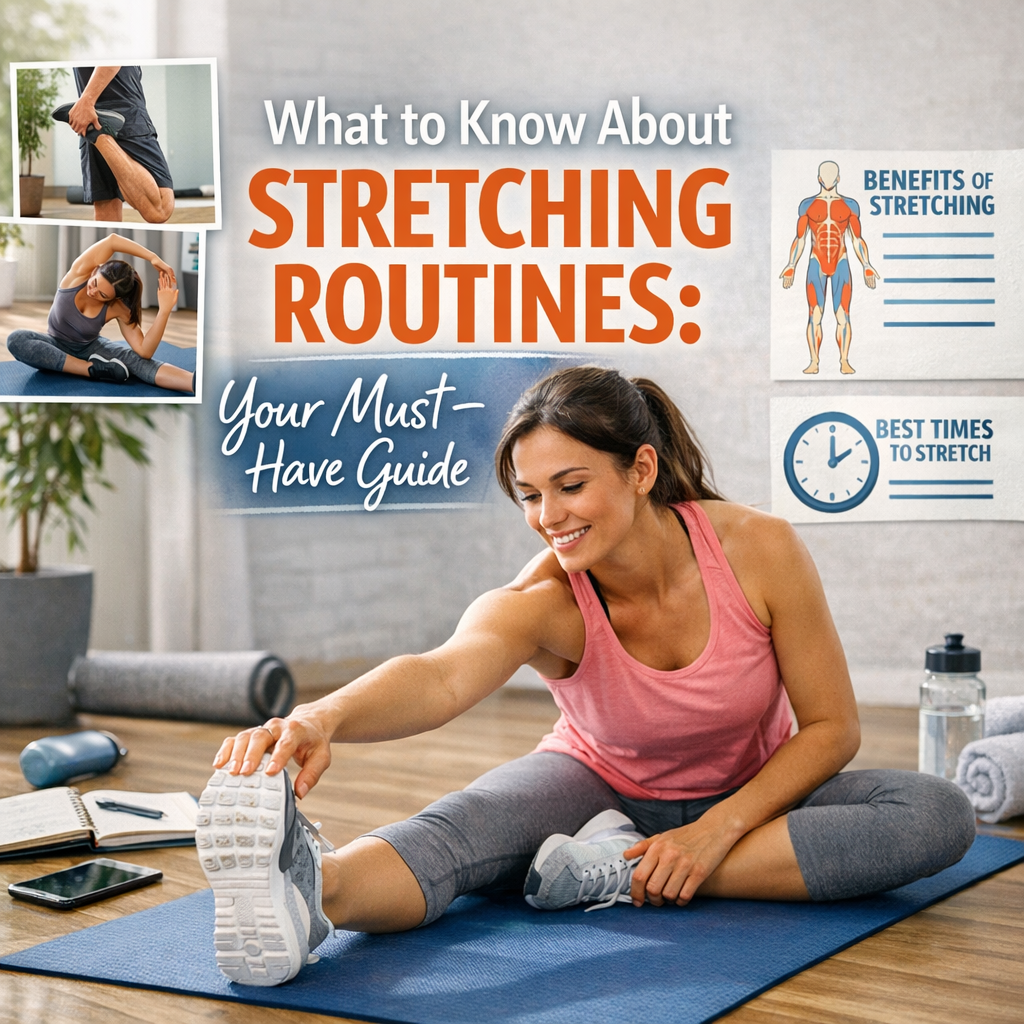
Stretching routines are more than just a warm-up or cool-down activity; they are a foundational element of physical health. By regularly engaging in targeted stretches, you can:
– Increase muscle flexibility and joint range of motion.
– Improve circulation and muscle recovery.
– Reduce the risk of muscle strains and injuries.
– Enhance posture and reduce muscle tension.
– Boost athletic performance and decrease soreness after workouts.
Understanding the science behind these benefits can motivate you to adopt a consistent stretching practice.
Different Types of Stretching: Know Your Options
A comprehensive stretching routines guide starts with recognizing the main types of stretching and when to use them.
Static Stretching
Static stretching involves holding a stretch position for 15 to 60 seconds. It is ideal for cooling down after workouts to help muscles relax and improve flexibility over time. Examples include hamstring stretches, calf stretches, and triceps stretches.
Dynamic Stretching
Dynamic stretching consists of controlled movements that gently take your muscles through their full range of motion. This type is commonly used before physical activities to activate muscles and prepare the body for exercise. High knees, leg swings, and arm circles are good examples.
Ballistic Stretching
Ballistic stretching uses bouncing or jerking movements to push muscles beyond their usual range. This method can increase flexibility but poses a higher risk of injury if not done correctly, so it is generally recommended only for advanced athletes under supervision.
Proprioceptive Neuromuscular Facilitation (PNF)
PNF combines passive stretching and isometric contractions, typically involving a partner. This advanced technique is highly effective for improving flexibility but requires proper guidance and practice.
How to Build Your Stretching Routine
Creating a personalized stretching plan based on your goals, fitness level, and time availability is key to long-term success.
Step 1: Identify Your Needs
Consider your daily activities and any areas of tension or tightness. For example, if you spend long hours at a desk, focusing on hip flexors, lower back, and shoulders will be beneficial.
Step 2: Choose Appropriate Stretches
Select stretches that target your specific muscles. Incorporate both static stretches to improve flexibility and dynamic stretches to warm up your muscles effectively.
Step 3: Allocate Time Wisely
Aim to dedicate 10 to 15 minutes a day to stretching, either as part of your workout routine or separately. Consistency is more important than duration.
Step 4: Warm Up Before Stretching
For best results, always warm up your muscles with light cardio, such as brisk walking or jogging, before static stretching. Dynamic stretching can serve as an active warm-up.
Step 5: Perform Stretches Safely
Avoid bouncing or forcing your body into uncomfortable positions. Stretch to the point of mild tension—not pain—and breathe deeply to relax your muscles.
Common Mistakes to Avoid in Stretching
Many people make errors that reduce the effectiveness of their stretching routines or increase injury risk. Here are some pitfalls to watch out for:
– Skipping warm-up before static stretches.
– Holding stretches for too short or excessively long durations.
– Using poor posture or form during stretches.
– Stretching cold muscles.
– Neglecting to stretch both sides of the body evenly.
– Ignoring pain signals.
Being mindful of these mistakes helps ensure your stretching practice is safe and productive.
Incorporating Stretching into a Busy Lifestyle
Even with a hectic schedule, you can reap the benefits of stretching by integrating short sessions into daily activities. Try stretching while watching TV, during breaks at work, or as part of your morning or evening routines. Using reminders or apps can also help you stay consistent.
Tracking Progress and Staying Motivated
Keep a journal or use an app to log your stretching sessions and monitor improvements in flexibility. Set realistic goals and celebrate milestones to stay motivated.
—
By understanding what to know about stretching routines and following this comprehensive guide, you can craft a stretching regimen that supports your health and fitness goals. Remember, the key is consistency, proper technique, and listening to your body. Start today, and enjoy the long-term rewards of a flexible, resilient, and well-prepared body.