How to Improve Stretching Routines: Must-Have Tips for Better Flexibility
Stretching is an essential part of any fitness regimen, yet many people struggle to get the most out of their stretching sessions. Understanding how to improve stretching routines can transform your flexibility, reduce the risk of injury, and boost overall physical performance. Whether you are a beginner trying to incorporate stretching into your daily routine or an athlete aiming to enhance muscle mobility, adopting the right strategies is key to making your stretching practice both effective and enjoyable.
In this article, we will explore practical tips and techniques to help you improve stretching routines for better flexibility and lasting results.
Why You Need to Improve Stretching Routines
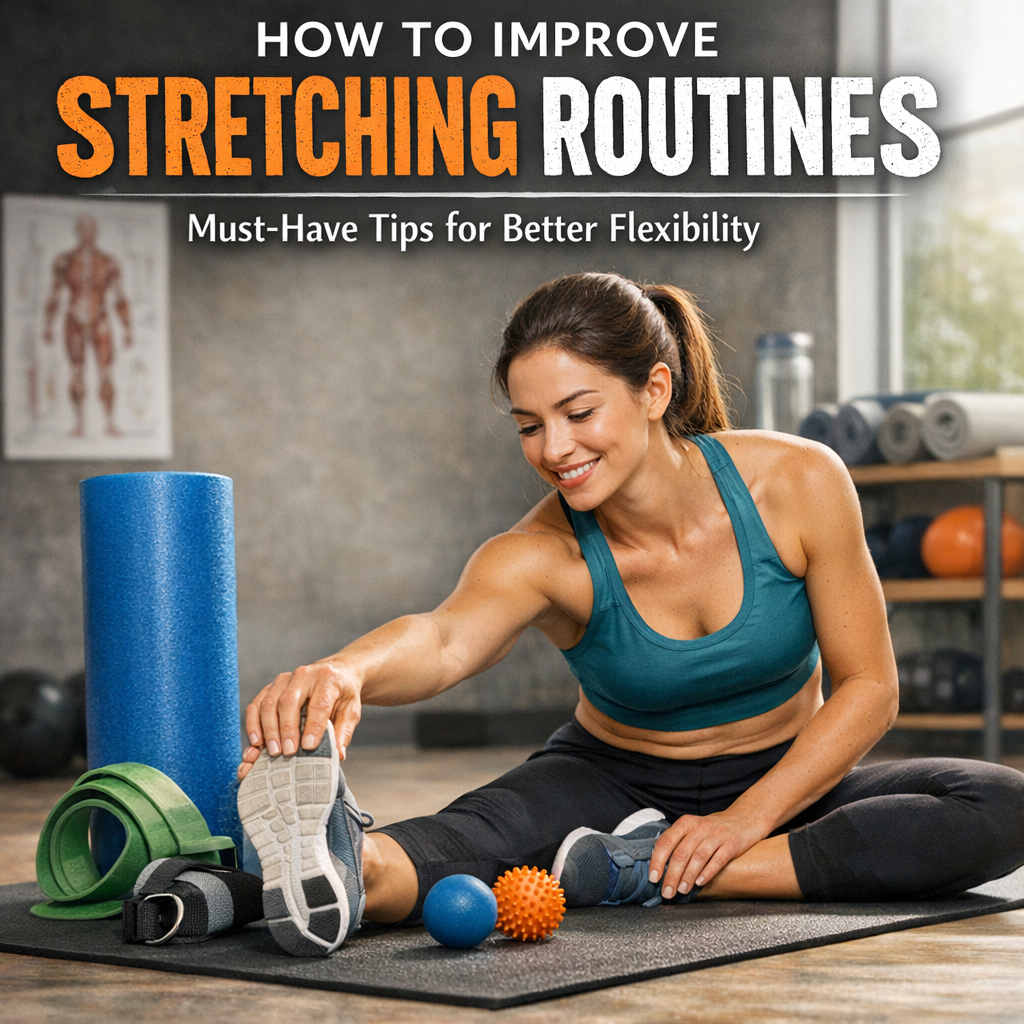
Before diving into the how, it’s important to understand the why. Stretching routines are often overlooked or rushed, leading to minimal gains or even muscle strain. A well-structured routine increases blood flow, warms up muscles, improves joint range of motion, and helps your body prepare for physical activities. Over time, improved flexibility can enhance posture, reduce muscle stiffness, and accelerate recovery.
By focusing on ways to improve stretching routines, you ensure you get maximum benefits in less time while avoiding common pitfalls such as overstretching or improper technique.
How to Improve Stretching Routines: Key Tips for Success
1. Warm Up Before Stretching
One of the most important tips on how to improve stretching routines is never to stretch cold muscles. Warming up with light cardio — such as walking, jogging, or jumping jacks for 5-10 minutes — increases muscle temperature and elasticity, making your stretches safer and more effective. This slight increase in blood flow reduces the risk of strains and allows your muscles to lengthen more comfortably.
2. Incorporate Dynamic Stretching First
Dynamic stretching involves controlled, movement-based stretches that gently take your joints through their full range of motion. Examples include leg swings, arm circles, and walking lunges. Performing dynamic stretches before more static holds ensures your muscles are activated and prepared for deeper stretches later on.
3. Use Proper Technique and Form
To truly improve stretching routines, focus on correct form. Avoid bouncing or jerky movements, as these can cause micro-tears in muscle fibers. Instead, stretch slowly and steadily, breathing deeply to help your muscles relax. Pay attention to alignment—whether you’re stretching your hamstrings, hips, shoulders, or back, maintaining the right posture prevents injury and maximizes the stretch’s effectiveness.
4. Hold Static Stretches Between 15-60 Seconds
When working on flexibility, static stretching—holding a stretch without moving for an extended period—helps increase muscle length and joint mobility. Experts recommend holding static stretches for at least 15 seconds and up to 60 seconds for optimal results. Longer holds allow the muscles to relax and adapt to the new length, slowly improving flexibility over time.
5. Focus on All Major Muscle Groups
Flexibility isn’t just about stretching the most obvious tight areas, such as hamstrings or calves. Your routine should encompass all major muscle groups, including your hips, back, chest, shoulders, and neck. A balanced approach not only enhances overall flexibility but also improves posture and reduces muscle imbalances that could lead to pain or injury.
6. Be Consistent and Patient
Improving flexibility is a gradual process. One missed day won’t drastically affect progress, but skipping stretching too often can hinder gains. Set a regular schedule—ideally daily or at least 3-4 times a week—to improve stretching routines effectively. Patience is equally important; muscles need time to lengthen safely without causing damage.
7. Incorporate Breathing Techniques
Deep, controlled breathing during stretches helps oxygenate muscles and promotes relaxation. When you inhale deeply, your body fills with oxygen, which nourishes muscle tissues. Exhaling slowly relaxes your muscles further, allowing you to sink deeper into the stretch. Synchronizing breath with movement also improves focus and mind-body connection.
8. Use Props and Tools for Support
Sometimes it’s helpful to incorporate yoga blocks, straps, or foam rollers into your routine. These tools can aid in proper form, especially if flexibility is limited. For example, a strap can help you reach your feet in a hamstring stretch without compromising form, while foam rollers can release muscle tension before stretching.
9. Don’t Ignore Pain Signals
Stretching should never be painful. Discomfort is normal when increasing flexibility, but sharp or intense pain signals potential injury. Learning to differentiate between pressure and pain is part of improving stretching routines. If you feel pain, ease off the stretch or modify the intensity.
10. Track Your Progress
Keeping a log of your stretching routine—what stretches you do, how long you hold, and any improvements in ease or range of motion—can motivate you to stay consistent. Seeing progress helps reinforce the benefits of your efforts and encourages you to maintain or increase intensity safely.
Final Thoughts
Learning how to improve stretching routines involves much more than just touching your toes. It requires a deliberate approach, combining warming up, proper technique, consistency, and awareness of your body’s limits. By integrating these must-have tips into your daily practice, you’ll enhance your flexibility, prevent injury, and improve your overall physical wellbeing.
Start small, stay patient, and watch your flexibility flourish with every stretch!