Stretching Routines for Beginners: Must-Have Easy Guide for Success
Stretching routines for beginners are an essential foundation for anyone looking to improve flexibility, reduce muscle tension, and enhance overall physical well-being. Whether you’re new to exercise or simply want to incorporate more movement into your daily life, establishing a simple and effective stretching routine can set you up for long-term success. In this guide, we’ll explore beginner stretching routines, highlight their benefits, and provide practical tips to make stretching a safe and enjoyable part of your wellness journey.
Why Stretching Routines for Beginners Matter
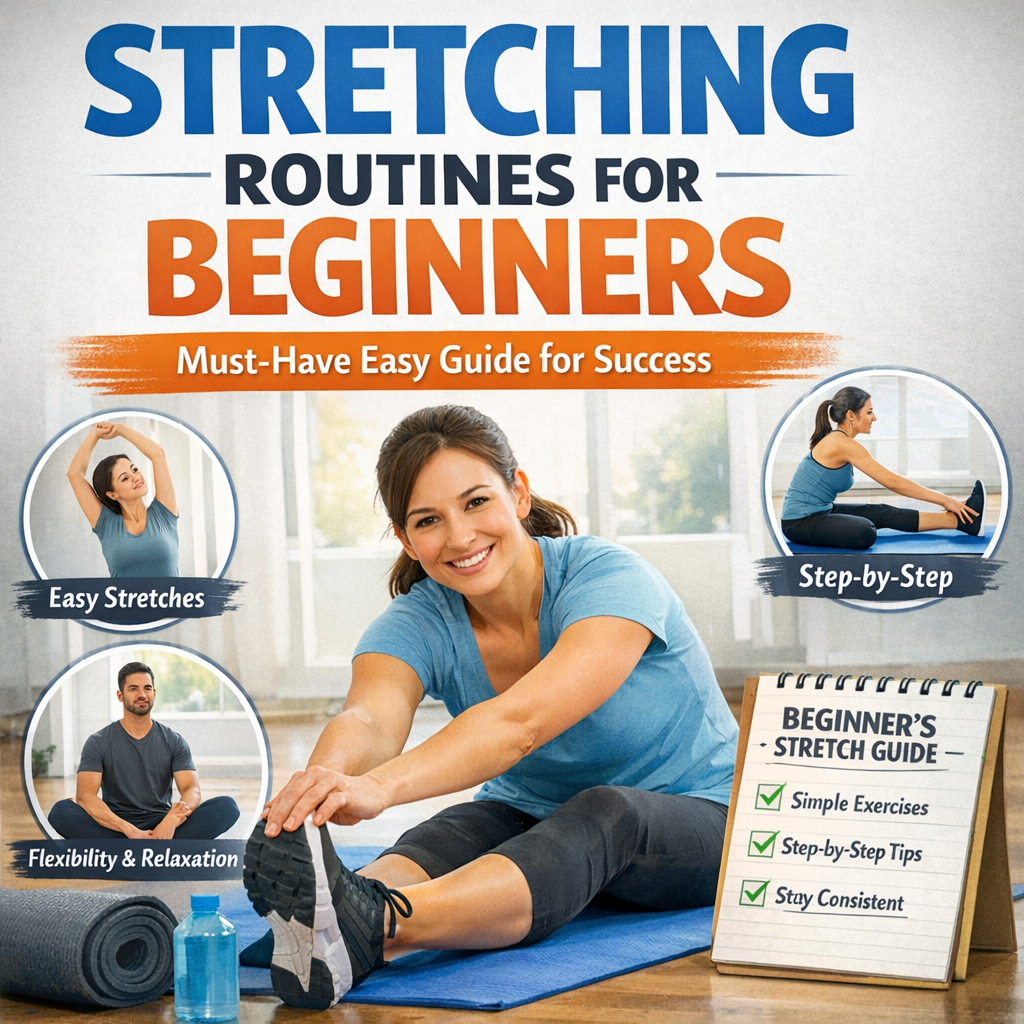
For those just starting out, stretching can sometimes feel intimidating or unnecessary. However, beginner stretching routines serve as more than just a warm-up or cool-down activity; they are a crucial step toward improving mobility, preventing injury, and preparing your body for more strenuous activities. Regular stretching helps increase blood flow to your muscles, improves posture, reduces the risk of strains, and even promotes relaxation by relieving stress.
Starting gently and with the right knowledge makes a huge difference. Beginners often make the mistake of overstretching or rushing through movements, which can lead to discomfort and discouragement. By following beginner stretching routines that focus on ease and gradual progress, you allow your body to adapt and thrive.
Key Components of Beginner Stretching Routines
When designing beginner stretching routines, there are several key components you should include to ensure a balanced and effective session:
1. Warm-Up First
Before stretching, it’s important to warm up your muscles with light cardio such as walking or marching in place for 3-5 minutes. Stretching cold muscles can lead to injury.
2. Focus on Major Muscle Groups
Concentrate on stretching your calves, hamstrings, quadriceps, hip flexors, lower back, shoulders, and neck. These areas tend to be tight for many people, especially those who spend long hours sitting.
3. Hold Each Stretch Steadily
Aim to hold each stretch for about 15-30 seconds. Avoid bouncing or jerking movements. Steady holds maximize muscle elongation and improve flexibility over time.
4. Breathe Deeply
Inhale deeply before stretching and exhale slowly while holding the stretch. Deep breathing helps relax muscles and enhances the overall effectiveness of each stretch.
5. Consistency Over Intensity
Stretching routines for beginners should prioritize consistency over intensity. Practicing stretches daily or at least 3-4 times a week yields better results than infrequent, intense sessions.
Beginner Stretching Routine: Step-by-Step
Here’s a simple beginner stretching routine that covers all the essentials:
Neck Stretch
– Sit or stand tall.
– Slowly tilt your head to the right, bringing your ear toward your shoulder. Hold for 20 seconds.
– Repeat on the left side.
Shoulder Rolls
– Roll your shoulders forward in slow, circular motions for 10 repetitions.
– Reverse the direction for another 10 repetitions.
Chest Opener
– Clasp your hands behind your back and gently lift your chest while squeezing your shoulder blades together. Hold for 20 seconds.
Cat-Cow Stretch
– On all fours, alternate arching your back (cat) and dipping your spine toward the floor (cow). Perform 10 slow repetitions to mobilize the spine.
Seated Hamstring Stretch
– Sit on the floor with one leg extended and the other bent.
– Reach forward toward your toes, keeping your back straight. Hold for 20 seconds and switch legs.
Quadriceps Stretch
– Standing tall, hold onto a wall for balance if needed.
– Grab one ankle behind you, gently pulling your heel toward your buttocks. Hold for 20 seconds and switch legs.
Calf Stretch
– Stand facing a wall with one foot forward and the other back.
– Keep your back leg straight and press your heel into the floor. Hold for 20 seconds and switch sides.
Tips for Success with Beginner Stretching Routines
– Set a Routine: Dedicate a specific time each day for stretching, such as morning or before bedtime.
– Use Props: Resistance bands, yoga blocks, or straps can help modify stretches for comfort and ease.
– Listen to Your Body: Stretch only to a point of mild tension, not pain. If you feel sharp discomfort, ease back.
– Stay Hydrated: Drinking water supports muscle function and flexibility.
– Track Your Progress: Keep a journal to note improvements in flexibility and comfort level.
The Long-Term Benefits of Consistent Beginner Stretching Routines
By committing to beginner stretching routines, you lay the groundwork for increased flexibility and better physical performance. Over time, you’ll notice reduced muscle stiffness, decreased soreness after exercise, and enhanced range of motion. These improvements can have a ripple effect on your daily life, boosting energy levels, improving posture, and contributing to overall wellness.
Remember, flexibility doesn’t happen overnight—it’s a gradual process that requires patience and regular practice. The simple guide provided here is designed to make stretching accessible and enjoyable, setting you up for success every step of the way.
—
Starting with beginner stretching routines is a smart and sustainable way to build the foundation for a healthier, more flexible body. With consistency, proper technique, and mindful practice, you’ll soon reap the benefits of a more balanced, pain-free, and energized lifestyle. So, roll out your mat, take a deep breath, and start your stretching journey today!