Balanced Nutrition Mistakes: Must-Have Tips for Effortless Health
Balanced nutrition mistakes can silently sabotage your health goals, leaving you frustrated despite your best efforts. Many people believe that simply eating “healthy” means they’re on the right track, but without understanding common pitfalls, even well-intentioned eating habits can fall short. Whether you’re striving to lose weight, boost energy, or improve overall wellness, avoiding these mistakes is crucial. This article explores the most frequent balanced nutrition mistakes and offers practical, must-have balanced nutrition tips for effortless health.
Common Balanced Nutrition Mistakes to Avoid
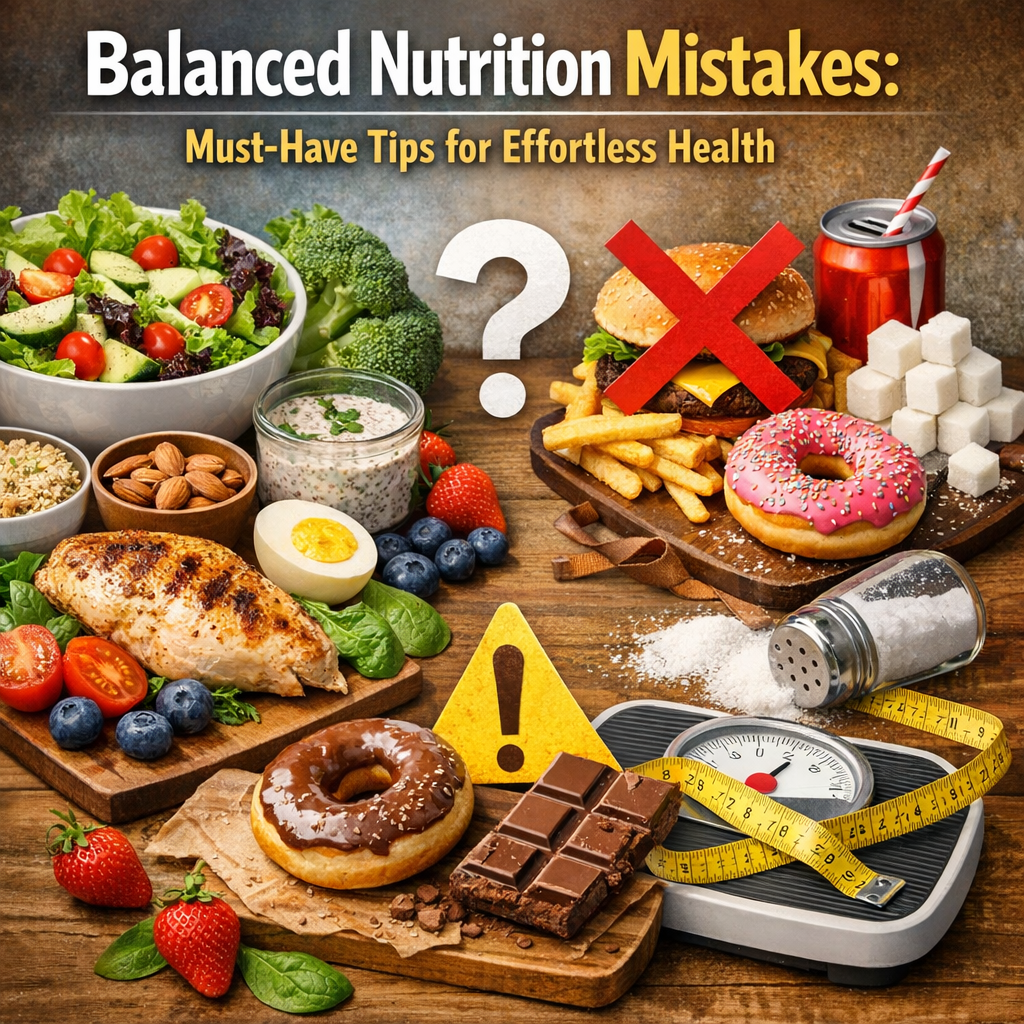
Understanding the common errors people make when trying to eat balanced diets is the first step toward improving your nutritional habits. Here are some of the most prevalent balanced nutrition mistakes:
1. Overemphasizing Macronutrients and Neglecting Micronutrients
One of the biggest balanced nutrition mistakes is focusing solely on macronutrients—proteins, fats, and carbohydrates—while ignoring micronutrients such as vitamins and minerals. Your body needs both for optimal functioning. For instance, neglecting foods rich in iron, calcium, or vitamin D can lead to deficiencies, impacting energy levels, bone health, and immunity.
2. Skipping Meals or Relying on Extreme Dieting
Skipping meals, especially breakfast, may seem like a way to reduce caloric intake, but it often backfires. It can lead to overeating later or cause blood sugar imbalances. Similarly, extreme diets that eliminate entire food groups restrict variety and can result in nutrient gaps over time.
3. Ignoring Portion Control
Even when eating nutrient-rich foods, consuming excessive portions can lead to weight gain or digestive discomfort. Balanced nutrition mistakes frequently include underestimating portion sizes or mindlessly snacking without paying attention to hunger cues.
4. Falling for Processed “Health” Foods
Just because a product is labeled “low-fat,” “organic,” or “gluten-free” doesn’t automatically make it healthy. Many processed foods marketed as healthy can contain hidden sugars, sodium, or unhealthy fats, all of which detract from balanced nutrition.
5. Neglecting Hydration
Hydration often gets overlooked, but it’s an essential part of balanced nutrition. Water aids digestion, supports cellular function, and helps regulate appetite. Dehydration may masquerade as hunger, leading to unnecessary calorie consumption.
Balanced Nutrition Tips for Effortless Health
Now that you know what mistakes to avoid, implementing these balanced nutrition tips will help you achieve sustainable, effortless health.
Prioritize Whole, Nutrient-Dense Foods
Focus your meals around whole foods like fresh fruits, vegetables, whole grains, lean proteins, nuts, and seeds. These foods offer a rich array of vitamins, minerals, antioxidants, and fiber that processed foods lack. Eat a rainbow of colors on your plate to ensure a variety of nutrients.
Incorporate Balanced Macronutrients at Every Meal
Aim to include a combination of protein, healthy fats, and carbohydrates in every meal. This balance helps stabilize blood sugar, prolongs satiety, and supports energy levels. For example, pairing grilled chicken (protein) with quinoa (carbohydrate) and avocado (healthy fat) makes a balanced, satisfying meal.
Mind Portion Sizes and Listen to Your Body
Use measuring cups or hand portion guides when starting out to better understand appropriate serving sizes. Pay attention to your body’s hunger and fullness signals rather than eating out of habit or boredom. Mindful eating encourages better portion control and a healthier relationship with food.
Limit Added Sugars and Excess Sodium
Cut back on sugary drinks, candy, and highly salted snacks. Excess added sugars and sodium contribute to inflammation, weight gain, and chronic diseases like hypertension and diabetes. Read nutrition labels carefully and choose minimally processed options when possible.
Stay Hydrated Throughout the Day
Make water your beverage of choice and carry a refillable bottle with you. If you find plain water boring, add slices of lemon, cucumber, or fresh herbs for natural flavor. Aim to drink consistently rather than waiting until you feel thirsty.
Plan and Prepare Meals Ahead
Meal planning and prepping reduce the temptation to grab unhealthy convenience foods when you’re busy or tired. Dedicate time each week to create balanced meals in advance, which helps avoid last-minute nutrition pitfalls.
Why Consistency Matters More Than Perfection
An important balanced nutrition tip is to focus on consistency rather than perfection. There will be days when you indulge or fall into old habits—and that’s perfectly okay. The key is to make balanced eating your default way of life, gently steering back on track without guilt.
Small, incremental changes like adding one extra serving of vegetables daily or swapping sugary snacks for nuts can create meaningful health improvements over time. Sustainable progress requires patience and self-compassion.
Final Thoughts
By recognizing and avoiding common balanced nutrition mistakes, you set yourself up for effortless, lasting health. Embracing nutrient-dense foods, moderation, hydration, and mindful eating are foundational steps. Coupled with realistic goals and consistency, these balanced nutrition tips will help you enjoy better energy, improved well-being, and a healthier lifestyle for years to come.
Achieving balanced nutrition is not about rigid rules or deprivation; it’s about giving your body the quality fuel it needs while still enjoying the foods you love. Start today by making one simple change and watch how effortless health becomes your new norm.