Best Tips for Balanced Nutrition: Must-Have Healthy Eating Secrets
Maintaining optimal health and well-being starts with the best tips for balanced nutrition. Balanced nutrition is crucial for fueling your body, enhancing mental clarity, supporting immune function, and preventing chronic diseases. Whether you’re trying to revamp your eating habits or simply want to maintain a healthy lifestyle, understanding the fundamentals of balanced nutrition can help you make informed choices that nourish your body every day.
In this article, we will explore balanced nutrition tips designed to fit easily into your routine, emphasizing foods and habits that promote overall wellness without sacrificing flavor or convenience.
What Is Balanced Nutrition?
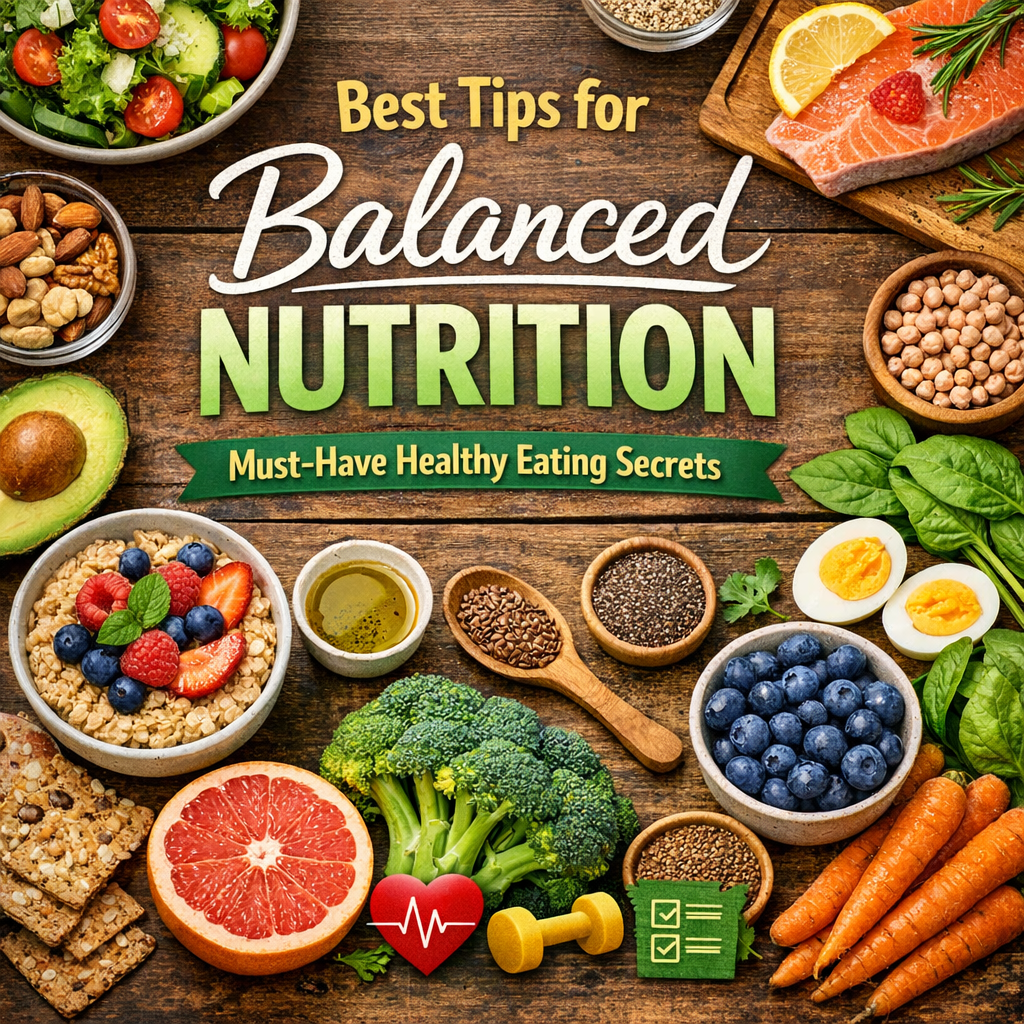
Before diving into the best tips, it’s important to clarify what balanced nutrition means. Essentially, balanced nutrition refers to consuming the right proportions of macronutrients—carbohydrates, proteins, and fats—along with sufficient vitamins, minerals, and water to meet your body’s needs. A balanced diet ensures that your body receives all essential nutrients required for growth, repair, energy, and disease prevention.
Now, let’s dive into some balanced nutrition tips that you can apply for a healthier, more vibrant life.
Prioritize Whole, Unprocessed Foods
One of the simplest ways to achieve balanced nutrition is to prioritize whole foods. Fruits, vegetables, whole grains, lean proteins, and healthy fats should form the foundation of your meals. These foods are packed with essential nutrients including fiber, antioxidants, and phytochemicals that processed foods often lack.
For example, replacing refined grains like white bread with whole-grain alternatives such as quinoa, brown rice, or oats will boost your fiber intake and promote digestive health. Similarly, choosing fresh fruit over sugary snacks helps control blood sugar and fosters satiety.
Master Portion Control and Variety
Following balanced nutrition tips means not only choosing the right foods but also eating them in healthy portions. Overeating—even healthy foods—can lead to weight gain and metabolic issues. Using smaller plates, paying attention to hunger cues, and avoiding distractions while eating can help prevent mindless overconsumption.
Equally important is incorporating variety into your diet. Eating a rainbow of fruits and vegetables ensures a broad spectrum of vitamins and minerals. Including diverse protein sources like chicken, fish, legumes, and nuts will provide a mix of amino acids and healthy fats to meet your body’s needs.
Include Healthy Fats and Protein
Healthy fats are often misunderstood, but they are essential for brain function, hormone production, and cellular health. Incorporate sources like avocados, nuts, seeds, olive oil, and fatty fish such as salmon into your diet. These fats help reduce inflammation and support heart health.
Protein is another vital macronutrient in balanced nutrition. It’s necessary for muscle repair and immune function. Aim to include quality proteins with every meal, balancing plant-based options like beans and lentils with animal proteins if you consume them. This approach supports sustained energy and keeps you feeling satisfied longer.
Stay Hydrated to Enhance Nutrition
Water often doesn’t get enough credit when discussing balanced nutrition tips, yet hydration is fundamental. Every cell in your body requires water to function properly, and staying hydrated aids digestion, nutrient absorption, and detoxification.
Aim to drink at least eight glasses of water daily and consider increasing your intake during hot weather or intense physical activity. Herbal teas and water-rich fruits and vegetables—like cucumbers and watermelon—can also contribute to your hydration goals.
Plan and Prepare Your Meals Ahead
One of the biggest challenges to eating a balanced diet is convenience. Busy schedules often lead to grabbing unhealthy fast food or missing meals entirely. By planning and prepping your meals ahead of time, you can ensure that nutritious options are ready when hunger strikes.
Set aside time each week to prepare balanced meals or snacks in advance. Use airtight containers to preserve freshness and include a mix of macronutrients in each portion. This proactive approach not only saves time and money but also maintains consistency in your balanced eating efforts.
Limit Added Sugars and Sodium
Excessive sugar and sodium intake are common pitfalls that hinder balanced nutrition. Foods high in added sugars can cause blood sugar spikes and contribute to weight gain, while too much sodium can increase blood pressure and strain the cardiovascular system.
Reading nutrition labels carefully can help you identify hidden sugars and salts. Opt for homemade dressings, sauces, and snacks where you control the ingredients. Using herbs and spices instead of salt also boosts flavor while keeping meals heart-healthy.
Listen to Your Body’s Needs
Every individual’s nutritional needs are unique, influenced by factors such as age, gender, activity level, and health conditions. While general balanced nutrition tips provide a solid foundation, tuning into your body’s signals is crucial for long-term success.
Eat when you’re hungry, stop when you’re full, and choose foods that make you feel energized and satisfied. Consulting with a registered dietitian can also provide personalized advice tailored to your lifestyle and goals.
Conclusion
Incorporating the best tips for balanced nutrition into your daily life can transform your health and well-being. By focusing on whole foods, controlling portions, including healthy fats and proteins, staying hydrated, planning meals, and limiting added sugars and salt, you lay the groundwork for a sustainable, nourishing diet.
Balanced nutrition is less about strict limitations and more about mindful choices that fuel your body and mind effectively. Start small, stay consistent, and enjoy the journey toward a healthier, more vibrant you.