What to Know About Healthy Meal Planning: Must-Have Guide for Effortless Success
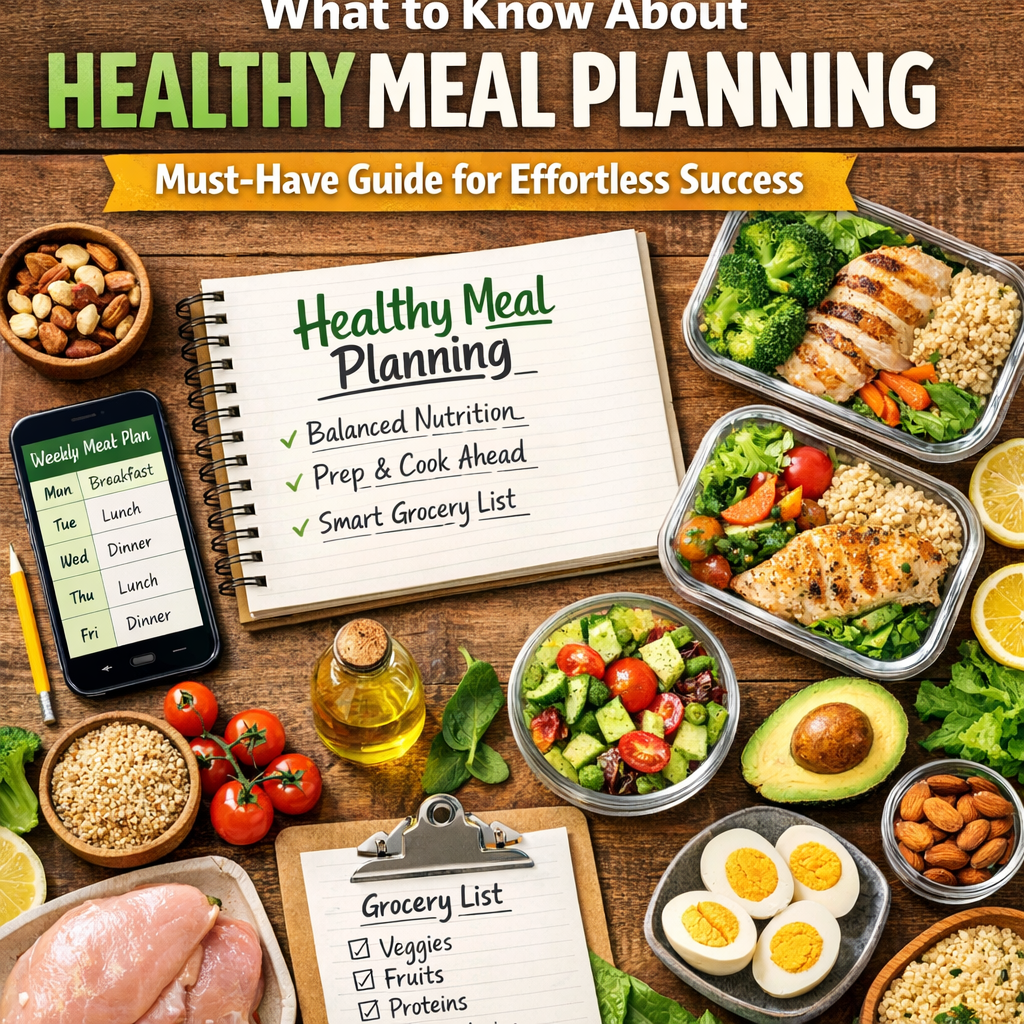
Healthy meal planning is an essential practice for anyone looking to improve their diet, save time, and reduce stress around mealtimes. By organizing your meals ahead of time, you can ensure that you eat balanced, nutritious foods consistently without last-minute scrambling or reliance on unhealthy fast food options. Whether you’re new to meal planning or looking to refine your process, this healthy meal planning guide will provide you with all the crucial information you need for effortless success.
Why Is Healthy Meal Planning Important?
Before diving into the practical steps, understanding the significance of meal planning helps motivate staying consistent. Healthy meal planning allows you to:
– Maintain a balanced diet: By deliberately choosing meals, you avoid the pitfalls of convenience foods and ensure your nutritional needs are met.
– Save money: Planning meals reduces food waste and the temptation to order takeout, making your grocery shopping more efficient.
– Reduce stress: Deciding what to eat daily can be exhausting. Having a plan eliminates the dreaded “what’s for dinner?” question.
– Support specific health goals: Whether you want to lose weight, gain muscle, or manage a chronic condition, meal planning helps keep you on track.
What to Know About Healthy Meal Planning: The Basics
Meal planning might sound complicated at first, but it becomes simpler with these foundational steps:
1. Assess Your Needs and Goals
Start by understanding your lifestyle, dietary preferences, and any health considerations. Are you vegetarian, gluten-free, or following a low-carb diet? What are your calorie or macronutrient goals? Knowing these informs your choices, creating a plan that’s tailored and sustainable.
2. Make a Weekly Schedule
Set aside time each week—typically on the weekend—to plan your meals. Decide how many breakfasts, lunches, dinners, and snacks you need. You can choose to plan for every meal or just the main ones, depending on your routine.
3. Gather Recipes and Build a Menu
Collect recipes that fit your needs and that you enjoy. Variety is key to staying motivated. Create a menu rotating different protein sources, vegetables, grains, and fruits to make meals interesting and balanced.
4. Create a Grocery List
Once your menu is finalized, list all the ingredients you need. Organizing your grocery list by category (produce, dairy, pantry items) makes shopping faster and reduces the chance of forgetting essentials.
Tips for Effortless Success in Your Healthy Meal Planning Guide
An effective meal plan is not just about choosing healthy foods, but also about making the process manageable and enjoyable. Here are some must-know tips:
Prep Ahead to Save Time
Spend a couple of hours setting aside portions, chopping vegetables, cooking grains, or marinating proteins. Meal prepping reduces cooking time during busy weekdays, helping you stick to your plan without feeling overwhelmed.
Use Versatile Ingredients
Ingredients like quinoa, beans, chicken, and mixed greens can be combined in various ways. Having versatile staples reduces grocery costs and prevents monotony in meals.
Embrace Leftovers
Plan meals that yield leftovers for lunches or dinners later in the week. This not only saves time but also increases efficiency in your kitchen.
Listen to Your Body
Meal planning should be flexible. If you’re not hungry or craving something different, it’s okay to swap meals. The goal is to nourish and enjoy your food.
Common Pitfalls and How to Avoid Them
Even as you follow your healthy meal planning guide, some challenges might come up:
– Overcomplicating the menu: Keep meals simple and realistic. Overly complex recipes can discourage you from cooking.
– Ignoring seasonality: Use seasonal fruits and vegetables for freshness and better prices.
– Not stocking your pantry: Keep essential spices, oils, and grains on hand to prevent last-minute trips.
– Skipping snacks: Healthy snacks keep energy steady and prevent overeating at mealtime.
Tools and Resources to Enhance Your Healthy Meal Planning
Leverage technology and community resources such as:
– Meal planning apps: Platforms like Mealime, Plan to Eat, or Paprika can help you organize menus and generate shopping lists.
– Nutrition trackers: Use apps like MyFitnessPal to ensure nutrient balance.
– Online recipe databases: Websites like the USDA’s MyPlate or cooking blogs specialize in nutritious meals.
– Community support: Social media groups or local nutritionists can offer ideas and encouragement.
Final Thoughts on Healthy Meal Planning
What to know about healthy meal planning boils down to creating a process that fits your lifestyle and meets your nutritional needs without added stress. Using this healthy meal planning guide, anyone can build habits that lead to consistent, balanced eating and improved well-being. Remember that meal planning is a skill developed over time—it’s okay to adjust your approach as you learn what works best for you. With a bit of preparation and flexibility, meal planning can become an enjoyable part of your routine that supports your health effortlessly.
By taking control of your meals and planning ahead, you set yourself up for greater success in maintaining a healthy diet, saving money, and feeling your best every day. So, get started today and enjoy the many benefits that come with thoughtful, healthy meal planning.