Gut Health Tips for Beginners: Must-Have Easy Steps for Best Results
Gut health plays a crucial role in overall well-being, influencing everything from digestion and immunity to mood and energy levels. For those just starting their journey towards a healthier gut, understanding where to begin can feel overwhelming. Fortunately, there are straightforward, effective strategies anyone can implement to promote a balanced microbiome and enhance digestive function. In this article, we’ll explore essential gut health tips for beginners that are easy to follow yet powerful enough to produce lasting benefits.
Why Gut Health Matters
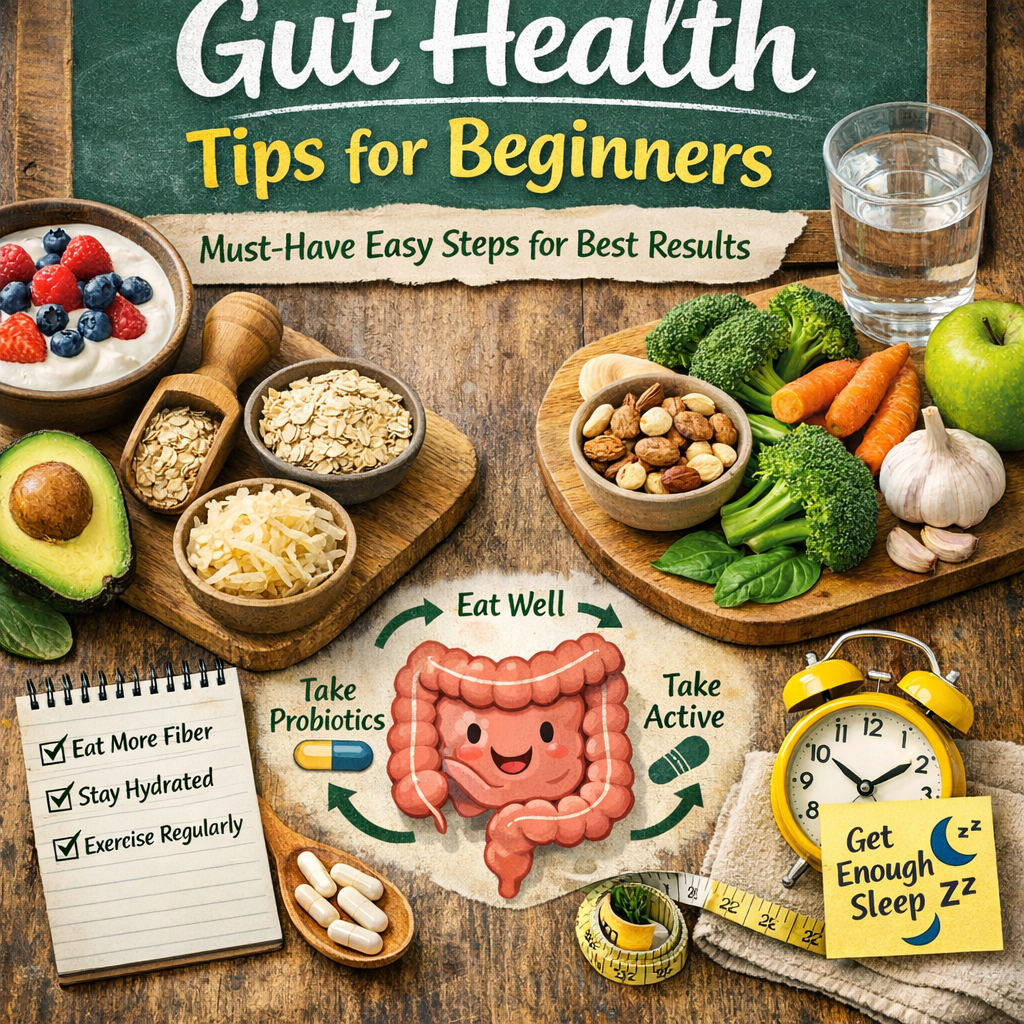
Before diving into specific steps, it’s important to understand why gut health deserves your attention. Your gut is home to trillions of microorganisms, including bacteria, fungi, and viruses, collectively known as the gut microbiota. These microbes help break down food, synthesize vitamins, regulate the immune system, and protect against harmful pathogens.
An imbalanced gut microbiome, often caused by poor diet, stress, or medication use, can lead to digestive problems like bloating, constipation, and diarrhea. It’s also been linked to chronic conditions such as obesity, diabetes, depression, and autoimmune diseases. Strengthening your gut health can therefore improve not only digestion but also overall physical and mental health.
Beginner Gut Health Tips: Easy Steps to Get Started
1. Prioritize a Fiber-Rich Diet
One of the best ways to support your gut microbiome is through diet, particularly by increasing your intake of dietary fiber. Foods rich in fiber—such as fruits, vegetables, whole grains, legumes, nuts, and seeds—serve as prebiotics. These are non-digestible fibers that nourish beneficial gut bacteria, helping them thrive.
For beginners, aim to gradually include at least 25-30 grams of fiber daily. This not only encourages the growth of diverse, healthy bacteria but also promotes regular bowel movements and reduces inflammation.
2. Incorporate Fermented Foods
Fermented foods provide live beneficial bacteria called probiotics, which can help restore and maintain a balanced gut flora. Some accessible options for beginners include yogurt with live cultures, kefir, sauerkraut, kimchi, miso, and kombucha.
Adding these foods to your meals a few times a week can enhance microbial diversity and improve digestion. For best results, choose unpasteurized varieties to ensure the probiotics are still active.
3. Stay Hydrated
Water is key to maintaining healthy digestion and preventing constipation, a common issue when improving gut health. Drinking adequate fluids helps fiber do its job by keeping stool soft and easy to pass. Beginners should aim for at least eight glasses (about 2 liters) of water per day, adjusting for activity level and climate.
4. Avoid Excessive Processed Foods and Sugar
Highly processed foods and added sugars can disrupt the balance of gut bacteria, promoting the growth of harmful strains that contribute to inflammation and digestive distress. Cutting back on sugary snacks, refined carbs, and artificial additives is a simple yet impactful beginner gut health tip.
Try to swap processed options for whole foods in their natural state, such as fresh fruits, vegetables, lean proteins, and whole grains.
5. Manage Stress Levels
Stress negatively affects the gut by altering the composition of the gut microbiota and impairing digestion. Incorporating stress-management techniques such as mindfulness, deep breathing exercises, yoga, and regular physical activity can support a healthier gut-brain connection.
For beginners, starting with just a few minutes of meditation or gentle movement daily can make a meaningful difference over time.
6. Get Quality Sleep
Sleep and gut health share a close relationship. Poor sleep patterns can disrupt the gut microbiome, while a healthy gut promotes better sleep quality. Aim for 7-9 hours of restful sleep each night to give your gut the time it needs to repair and maintain balance.
Creating a bedtime routine and reducing screen time before sleep can improve your chances of meeting this goal.
7. Customize Your Approach with Professional Guidance
While these beginner gut health tips provide a solid foundation, everyone’s gut is unique. If you experience persistent digestive issues or suspect food intolerances, consider consulting a healthcare professional or registered dietitian. They can help tailor a plan specific to your needs and monitor your progress.
Final Thoughts
Embarking on a journey to better gut health doesn’t have to be complicated. By implementing these simple yet effective beginner gut health tips, such as increasing fiber intake, incorporating probiotic-rich foods, staying hydrated, and managing stress, you can nurture a thriving gut microbiome. Over time, this foundation will lead to improved digestion, stronger immunity, and enhanced overall wellness. Start with these manageable steps today, and your gut will thank you tomorrow.