What to Know About Heart Healthy Foods: Ultimate Guide for Best Choices
When it comes to maintaining a healthy lifestyle, understanding what to know about heart healthy foods is essential for preventing cardiovascular diseases and promoting overall well-being. The heart is one of the most vital organs in the body, and the foods you choose to eat have a direct impact on its function. This ultimate guide will walk you through the best food choices, nutritional benefits, and practical tips to keep your heart in top condition.
The Importance of Heart Healthy Foods
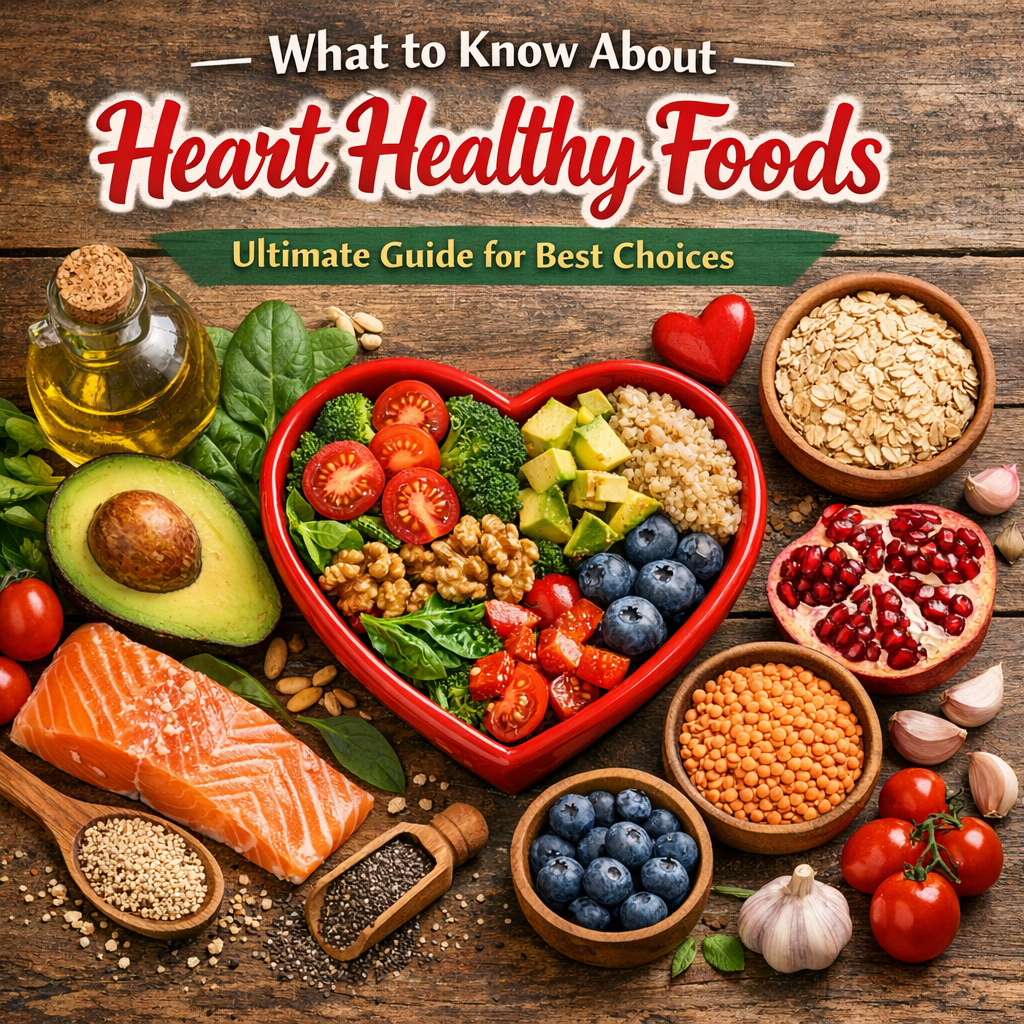
Before diving into specific food choices, it’s important to understand why heart healthy foods matter. Cardiovascular diseases, such as heart attack and stroke, remain leading causes of death globally. Diet plays a crucial role in influencing blood pressure, cholesterol levels, inflammation, and artery health — all key factors that affect heart function.
By incorporating heart-friendly foods into your daily diet, you can:
– Lower bad cholesterol (LDL) and increase good cholesterol (HDL)
– Reduce blood pressure and improve artery health
– Combat inflammation throughout the body
– Manage weight effectively to reduce strain on the heart
What to Know About Heart Healthy Foods: Core Nutrients to Look For
The heart thrives on specific nutrients that support its function and protect it from damage. When selecting foods to include in your heart healthy meals, pay attention to the following key nutrients:
Fiber
Dietary fiber, especially soluble fiber, helps reduce cholesterol levels and keeps blood sugar stable. Foods rich in fiber include oats, barley, beans, lentils, fruits, and vegetables.
Healthy Fats
Not all fats are created equal. The fats that benefit heart health are primarily unsaturated fats, including monounsaturated and polyunsaturated fats found in:
– Olive oil
– Avocados
– Nuts (such as almonds and walnuts)
– Fatty fish like salmon and mackerel (rich in omega-3 fatty acids)
Antioxidants
Antioxidants protect the heart by neutralizing free radicals that can cause oxidative damage to heart tissues. Colorful fruits and vegetables, such as berries, leafy greens, and tomatoes, are excellent sources.
Vitamins and Minerals
Potassium, magnesium, and vitamins C and E play crucial roles in regulating blood pressure and maintaining healthy blood vessels. Bananas, spinach, citrus fruits, and nuts can boost these minerals and vitamins in your diet.
Heart Healthy Foods Guide: Best Choices for Your Meals
Here’s an organized heart healthy foods guide that you can easily incorporate into your meals every day:
Fruits and Vegetables
Aim for a vibrant variety of fruits and vegetables packed with fiber, antioxidants, and essential nutrients. Include options like:
– Berries (blueberries, strawberries)
– Apples and pears
– Leafy greens (spinach, kale)
– Cruciferous vegetables (broccoli, Brussels sprouts)
– Tomatoes and carrots
Whole Grains
Whole grains improve cholesterol and provide sustained energy. Replace refined grains with whole options such as:
– Brown rice
– Quinoa
– Whole wheat bread and pasta
– Oats
Lean Protein Sources
Protein supports muscle repair and overall health without the saturated fats that can harm heart vessels. Choose:
– Skinless poultry
– Legumes (chickpeas, lentils)
– Fatty fish, especially those rich in omega-3s like salmon and sardines
– Tofu and tempeh for plant-based options
Healthy Fats and Nuts
Incorporate healthy fats in moderate amounts:
– Extra virgin olive oil for cooking and dressings
– A handful of nuts daily (walnuts, almonds)
– Seeds like chia and flaxseeds, which also provide fiber and omega-3s
Dairy Alternatives
Limit saturated fat from full-fat dairy. Opt instead for heart-friendly dairy or plant-based alternatives:
– Low-fat or fat-free yogurt and milk
– Fortified almond or soy milk
Foods and Habits to Avoid for Heart Health
In addition to knowing the best foods to eat, being aware of what to limit or avoid is equally important:
– Cut back on saturated fats found in fatty cuts of red meat, butter, and full-fat dairy.
– Avoid trans fats often present in processed and fried foods.
– Limit sodium intake to manage blood pressure, steering clear of excess salt and processed snacks.
– Reduce added sugars found in sodas, sweets, and many packaged foods.
Practical Tips to Incorporate Heart Healthy Foods Daily
Understanding what to know about heart healthy foods is only the first step. Here are some practical ways to bring these choices into your routine:
– Plan your meals around vegetables and whole grains first. Treat meat or fish as a side rather than the main focus.
– Use healthy oils like olive oil instead of butter when cooking.
– Snack smart with nuts, seeds, or fresh fruits instead of chips or cookies.
– Experiment with herbs and spices to reduce the need for salt while enhancing flavor.
– Stay hydrated with water and limit sugary drinks.
Conclusion
Knowing what to know about heart healthy foods empowers you to make informed decisions that protect your cardiovascular system and boost your overall health. By emphasizing whole grains, a rainbow of fruits and vegetables, lean proteins, and healthy fats, you lay a strong foundation for heart health. Combining these smart food choices with practical habits will help you maintain a vibrant heart and enjoy long-lasting wellness. Embrace this heart healthy foods guide and take proactive steps toward a stronger, healthier you.