Heart Healthy Foods Checklist: Must-Have Plan for the Best Heart Health
Maintaining a healthy heart is a vital aspect of overall well-being, and one of the most effective strategies to achieve this is by following a heart healthy foods checklist. What you eat directly impacts your cardiovascular system, including your arteries, heart muscle, and blood pressure levels. Adopting a heart healthy foods plan can lower the risk of heart disease, improve cholesterol levels, and help maintain optimal blood pressure. In this article, we’ll explore the essential components of such a plan and guide you through the must-have foods to incorporate for the best heart health.
Understanding the Importance of a Heart Healthy Foods Checklist
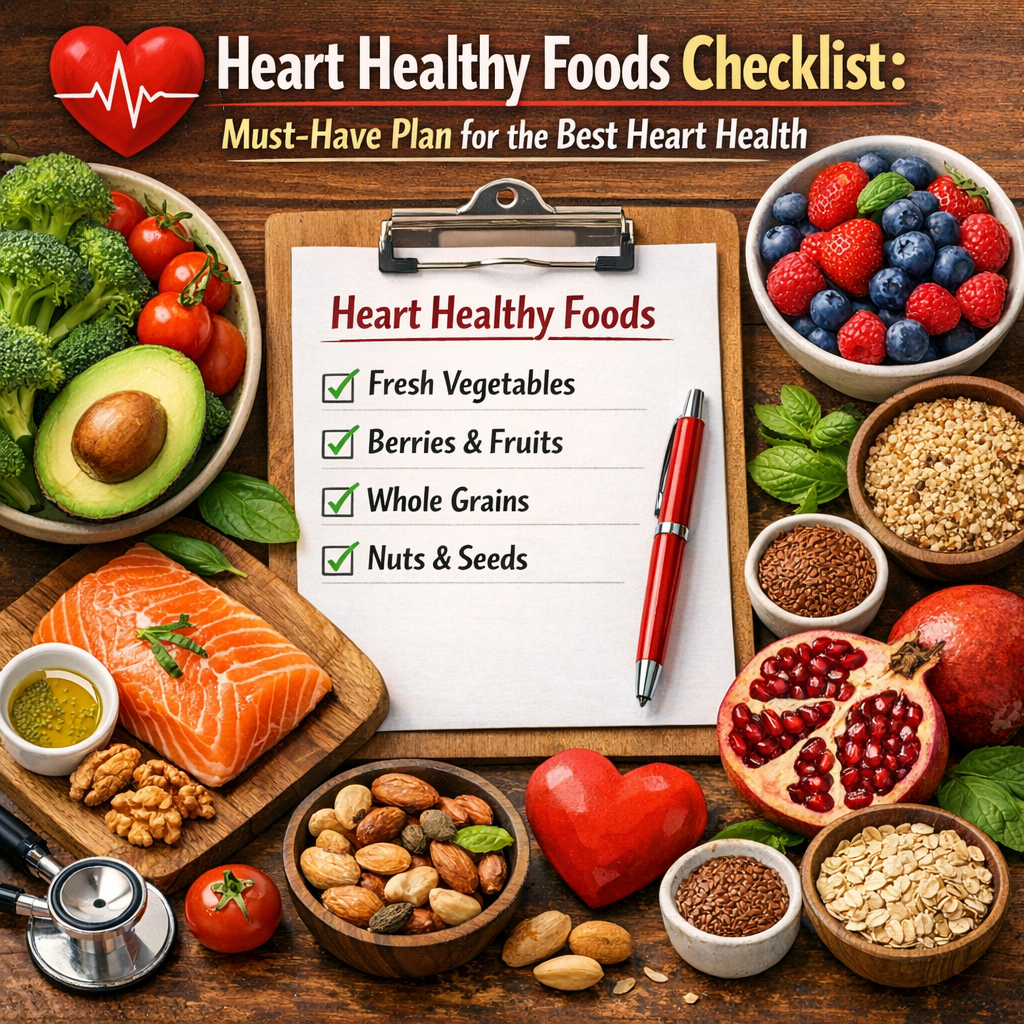
The heart is a powerful and hardworking muscle that pumps blood throughout your body. Preventing common heart ailments like coronary artery disease, hypertension, and stroke involves more than just exercise and medication—it also requires mindful eating habits. A well-structured heart healthy foods checklist serves as both a guide and motivation to make better dietary choices.
This checklist focuses on foods rich in nutrients that promote cardiovascular health, such as fiber, antioxidants, healthy fats, vitamins, and minerals, all of which help reduce inflammation, lower bad cholesterol (LDL), and increase good cholesterol (HDL).
Key Components of a Heart Healthy Foods Plan
To structure an effective heart healthy foods plan, it’s essential to focus on categories of foods that collectively support heart health. Here’s what to include:
1. Fruits and Vegetables
Fruits and vegetables are cornerstone items on any heart-healthy checklist. They are naturally low in calories and fat, rich in dietary fiber, and packed with vitamins like folate and antioxidants such as vitamin C and beta-carotene. These nutrients help reduce blood pressure and protect arteries from damage.
Must-have options: Berries (blueberries, strawberries), leafy greens (spinach, kale), citrus fruits (oranges, grapefruit), and cruciferous vegetables (broccoli, cauliflower).
2. Whole Grains
Replacing refined grains with whole grains is vital for cardiovascular well-being. Whole grains contain high amounts of soluble fiber which helps lower LDL cholesterol and promote healthy blood sugar levels.
Recommended foods: Oats, quinoa, barley, brown rice, and whole wheat.
3. Healthy Fats
Not all fats are bad. Monounsaturated and polyunsaturated fats, including omega-3 fatty acids, are heart-healthy. They can reduce inflammation, lower triglycerides, and reduce the risk of arrhythmias.
Healthy fat sources: Olive oil, avocados, nuts (walnuts, almonds), seeds (flaxseeds, chia seeds), and fatty fish like salmon, mackerel, and sardines.
4. Lean Proteins
Choosing lean proteins over fatty cuts of meat helps limit saturated fat intake, which can raise LDL cholesterol and contribute to artery clogging.
Good protein options: Skinless poultry, legumes (beans, lentils), tofu, and fish high in omega-3s.
5. Low-Fat Dairy or Alternatives
Dairy products can provide essential calcium and vitamin D but choosing low-fat or non-fat versions prevents unnecessary saturated fat intake.
Examples: Skim milk, low-fat yogurt, and fortified plant-based alternatives like almond or soy milk.
6. Limiting Sodium and Added Sugars
While building your checklist, remember to minimize processed and packaged foods that tend to be high in sodium and added sugars. Excess sodium increases blood pressure, while high sugar intake can raise triglyceride levels.
Sample Heart Healthy Foods Checklist for Your Daily Plan
Here’s a quick reference checklist you can customize according to your preferences:
– Fruits: 2-3 servings daily (e.g., an apple, a handful of berries, or an orange)
– Vegetables: 3-5 servings daily (e.g., a cup of leafy greens, half a cup of carrots)
– Whole Grains: At least 3 servings daily (e.g., ½ cup oatmeal, one slice whole wheat bread)
– Lean Protein: 2-3 servings daily (e.g., grilled chicken breast, 1 cup cooked beans)
– Healthy Fats: Include daily (e.g., 1 tablespoon olive oil, ¼ avocado)
– Low-Fat Dairy: 2-3 servings daily (e.g., 1 cup skim milk or unsweetened yogurt)
– Limit Salt: Aim for less than 2,300 mg sodium daily, ideally under 1,500 mg for better heart health
– Limit Added Sugars: Keep to less than 6 teaspoons per day for women and 9 teaspoons for men
Tips for Implementing Your Heart Healthy Foods Plan
1. Plan Meals Ahead: Preparing meals in advance prevents impulsive eating and helps you stay within your heart healthy guidelines.
2. Cook at Home: Home-cooked meals allow control over ingredients, especially salt and fat.
3. Read Food Labels: Look for hidden sodium, sugars, and unhealthy fats in packaged goods.
4. Stay Hydrated: Drinking water, herbal teas, or infused waters supports overall cardiovascular function.
5. Moderation is Key: Even heart-healthy foods should be consumed in reasonable quantities to maintain a balanced diet.
The Benefits of Following a Heart Healthy Foods Checklist
Adhering to a heart healthy foods checklist doesn’t just reduce the risk of heart disease; it also boosts energy levels, improves mental clarity, supports healthy weight management, and contributes to a longer, healthier life.
Moreover, a heart healthy foods plan can help manage existing conditions like high blood pressure, high cholesterol, or diabetes, making it an essential tool for those with a family history or current heart issues.
In Conclusion
Creating and following a heart healthy foods checklist is a practical, empowering approach to nurturing your cardiovascular health. By incorporating a variety of fruits, vegetables, whole grains, lean protein, and healthy fats into your diet while minimizing sodium and added sugars, you lay a strong foundation for heart health. Remember, small, consistent dietary changes combined with other healthy lifestyle habits—such as regular exercise and stress management—can make a profound difference in your heart’s well-being.
Start today by reviewing your current eating habits, assembling your personalized heart healthy foods plan, and committing to nourishing your heart from the inside out. Your heart will thank you for years to come.