What to Know About Low Sugar Diets: The Ultimate Must-Have Guide
In today’s health-conscious world, many people are exploring ways to improve their diet and overall well-being, and one popular approach is reducing sugar intake. Understanding what to know about low sugar diets can help set you on the path to better health, increased energy, and better weight management. This comprehensive guide will cover everything you need to know about low sugar diets, from their benefits to practical tips and potential pitfalls.
Why Consider a Low Sugar Diet?
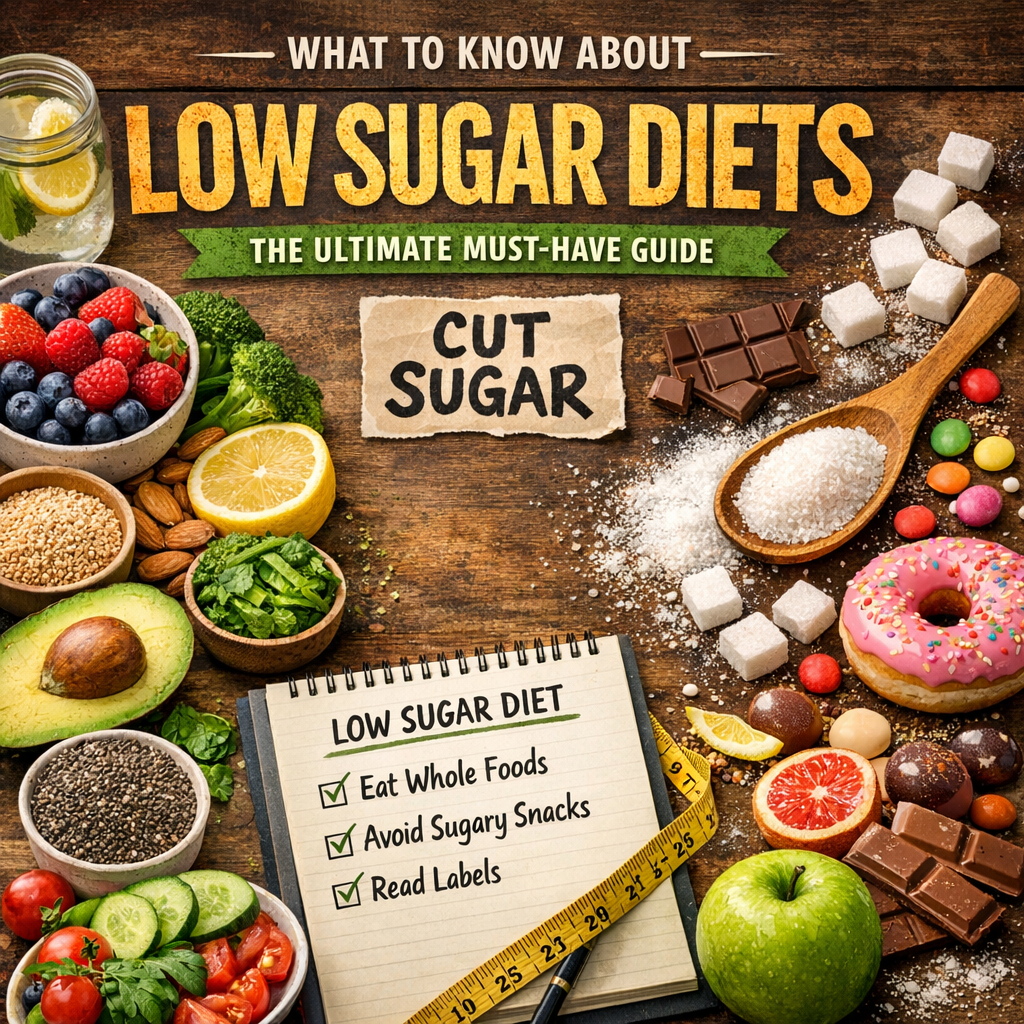
Cutting back on sugar isn’t just about avoiding sweets. Excess sugar consumption has been linked to a variety of health issues including obesity, type 2 diabetes, heart disease, and even certain cancers. Reducing sugar intake can help stabilize blood sugar levels, lower inflammation, and improve overall metabolic health.
By following a low sugar diet, you also improve your gut health, reduce cravings, and can potentially increase your lifespan. The benefits extend beyond just physical health, often resulting in improved mood and cognitive function.
What to Know About Low Sugar Diets: Core Principles
Understanding Sugar Types
One of the first things to grasp is the difference between natural sugars and added sugars. Natural sugars are found in fruits, vegetables, and dairy products and come with fiber, vitamins, and minerals. Added sugars, on the other hand, are those added during processing or preparation, such as white sugar, high fructose corn syrup, and syrups.
Low sugar diets mainly focus on reducing or eliminating added sugars while still allowing for the natural sugars found in whole foods.
Daily Sugar Intake Recommendations
The American Heart Association recommends limiting added sugar to no more than 25 grams (6 teaspoons) per day for women and 36 grams (9 teaspoons) per day for men. However, many people consume far more than this. The goal on a low sugar diet is to strive toward or below these recommendations to reap health benefits.
Reading Labels: A Crucial Habit
Learning how to read nutrition labels is essential on a low sugar diet. Added sugars can hide under many names, such as cane sugar, dextrose, maltose, and agave nectar. Being vigilant about labels helps you avoid sneaky sugars that can undermine your progress.
The Low Sugar Diets Guide: Foods to Embrace and Avoid
Foods to Include
– Whole fruits: Berries, apples, pears, and citrus fruits provide natural sugars with plenty of fiber.
– Vegetables: Most veggies are low in sugar and high in nutrients.
– Whole grains: Brown rice, quinoa, and oats help maintain steady energy levels.
– Lean proteins: Chicken, fish, tofu, and beans assist in muscle maintenance and satiety.
– Healthy fats: Nuts, seeds, avocados, and olive oil support brain health and reduce inflammation.
Foods to Limit or Avoid
– Sugary beverages like soda, fruit juices with added sugar, and energy drinks.
– Sweets and desserts including candies, cakes, cookies, and pastries.
– Processed foods such as breakfast cereals, flavored yogurts, and many snack bars.
– Condiments and sauces that contain sugar, such as ketchup, BBQ sauce, and salad dressings.
Practical Tips for Successfully Following a Low Sugar Diet
1. Plan Your Meals: Preparing meals ahead of time helps you avoid sugar-laden convenience foods.
2. Cook at Home: Homemade meals allow you to control ingredients and avoid hidden sugars.
3. Choose Snacks Wisely: Opt for nuts, cheese, or fresh veggies instead of sugary snacks.
4. Hydrate with Water: Replace sugary drinks with water, herbal teas, or sparkling water.
5. Practice Mindful Eating: Pay attention to hunger cues and avoid eating out of boredom or stress.
Potential Challenges and How to Overcome Them
When starting a low sugar diet, some people initially experience cravings, mood swings, or fatigue as their bodies adjust. These symptoms usually subside within a few days to a week. To ease this transition:
– Gradually reduce sugar intake instead of quitting cold turkey.
– Increase protein and fiber intake for better energy balance.
– Get plenty of sleep and manage stress through exercise or meditation.
Who Should Consult a Healthcare Professional?
While low sugar diets are generally safe for most people, those with certain medical conditions, such as diabetes or hypoglycemia, should consult their healthcare provider before making significant dietary changes. Pregnant or breastfeeding women should also seek guidance to ensure they meet all nutritional needs.
Final Thoughts on Low Sugar Diets
Understanding what to know about low sugar diets can empower you to make healthier choices that enhance your overall quality of life. By reducing added sugars, focusing on whole foods, and maintaining balanced nutrition, you can experience improved energy, better weight control, and decreased risk of chronic disease.
This low sugar diets guide offers a roadmap for anyone looking to take control of their sugar intake without feeling deprived. With awareness and practical strategies, shifting to a low sugar lifestyle is achievable, sustainable, and rewarding. Embrace the journey toward better health today!