High Protein Meals Mistakes: Must-Have Tips to Avoid Common Errors
High protein meals mistakes are surprisingly common, even among those who are focused on nutrition and fitness goals. Protein is a crucial macronutrient that supports muscle growth, repair, and overall health, but simply consuming protein-rich foods isn’t enough. Making errors in how you prepare or balance your high protein meals can limit your results and sometimes even hinder your progress. Whether you’re an athlete, someone trying to lose weight, or just focusing on better nutrition, understanding these pitfalls and applying effective high protein meals tips can transform your diet for the better.
Common High Protein Meals Mistakes to Watch Out For
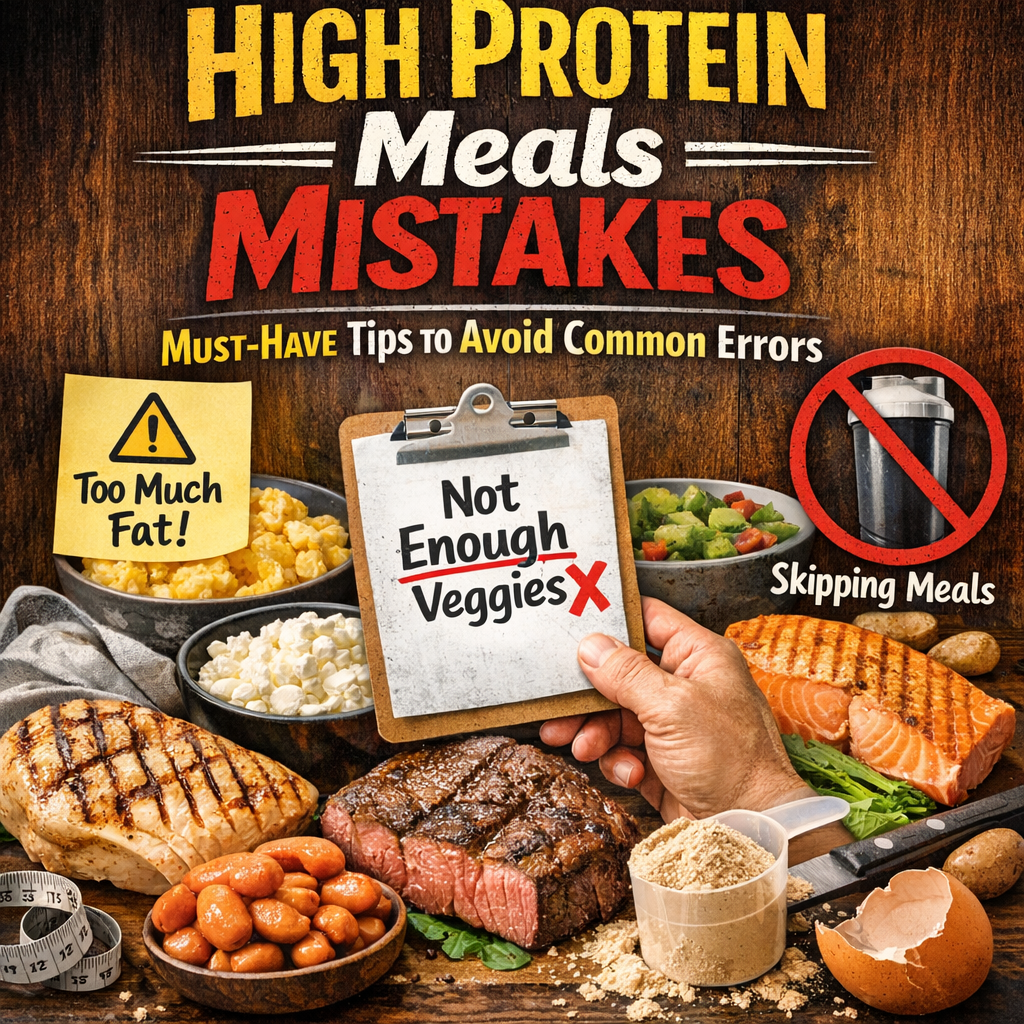
1. Neglecting Balanced Macronutrients
One of the most frequent high protein meals mistakes is focusing solely on protein while ignoring other macronutrients like healthy fats and carbohydrates. A well-rounded meal that includes a balance of all macronutrients supports sustained energy levels, hormone production, and overall health. Consuming large amounts of protein without adequate fats and carbs can lead to fatigue or digestive issues.
2. Overestimating Protein Needs
Many people believe that more protein always equals better results. However, consuming protein in excess of your body’s requirements doesn’t necessarily lead to more muscle gain or faster fat loss. The body can only utilize a certain amount of protein at one time, and excess protein may simply be converted to energy or stored as fat. Understanding your personal protein needs based on your age, weight, activity level, and goals is crucial.
3. Relying Too Heavily on Protein Supplements
Protein powders and shakes can be convenient solutions, but over-reliance on them instead of whole food sources is another common mistake. Whole foods provide additional nutrients such as fiber, vitamins, and minerals that supplements can’t fully replicate. Eating a variety of protein-rich foods like lean meats, legumes, dairy, nuts, and seeds promotes better overall nutrition and satiety.
4. Ignoring Portion Sizes and Meal Timing
Eating high protein meals without paying attention to portion sizes or meal timing can diminish the benefits. Large portions may contribute to unnecessary calorie intake, while poor timing—such as not consuming protein after workouts—may impact muscle recovery and growth. Distributing protein intake evenly throughout the day helps maximize muscle protein synthesis and maintain energy.
5. Choosing Low-Quality Protein Sources
Opting for protein sources that are highly processed or loaded with unhealthy additives is a mistake that can compromise your health. For example, processed deli meats, protein bars high in sugar, or fried chicken tenders may be protein-rich but lack nutritional value and may contain harmful fats or preservatives. Prioritizing high-quality protein sources ensures you’re fueling your body with nutrient-dense options.
High Protein Meals Tips for Optimal Results
Plan Meals with Variety and Balance
Incorporating a wide range of protein sources into your meals prevents monotony and ensures a broad spectrum of amino acids and nutrients. Mix plant-based proteins like beans, lentils, quinoa, and tofu with animal sources such as chicken, fish, eggs, and lean beef. Pair these with colorful vegetables and whole grains for a nutrient-dense plate.
Calculate Your Protein Needs
To avoid high protein meals mistakes related to excess consumption, use established guidelines to calculate your daily protein requirements. For most active adults, 1.2 to 2.0 grams of protein per kilogram of body weight is sufficient. For example, a 70 kg individual should aim for roughly 84-140 grams per day, spread over multiple meals.
Prioritize Whole Foods Over Supplements
Whenever possible, choose whole food protein sources before turning to powders or bars. These foods offer additional health benefits beyond protein content, such as fiber to aid digestion or antioxidants to reduce inflammation. Use supplements strategically, such as immediately post-workout or on busy days when preparing a balanced meal isn’t feasible.
Mind Portion Sizes and Distribute Protein Intake
Instead of consuming a massive protein-rich meal once daily, spread your intake over 3-5 meals or snacks. Research shows that muscle protein synthesis is optimized when protein is consumed consistently every 3-4 hours. Aim for about 20-40 grams of high-quality protein per meal to maximize benefits.
Prepare Protein in Healthy Ways
Cooking methods matter. Grilling, baking, steaming, or sautéing with minimal oil maintains the nutrient integrity of your protein while avoiding added unhealthy fats. Avoid deep-fried or heavily breaded protein sources when possible, and experiment with herbs, spices, and marinades to keep meals flavorful and interesting.
Conclusion: Be Mindful to Avoid High Protein Meals Mistakes
High protein meals mistakes can slow down your progress and diminish the overall health benefits of your diet. By focusing on balanced macronutrients, determining appropriate protein amounts, choosing whole food sources, paying attention to portion sizes, and preparing protein healthily, you can make the most out of your nutrition plan. Implement these high protein meals tips thoughtfully, and you’ll be well on your way to achieving your fitness and wellness goals while enjoying delicious and satisfying meals every day.