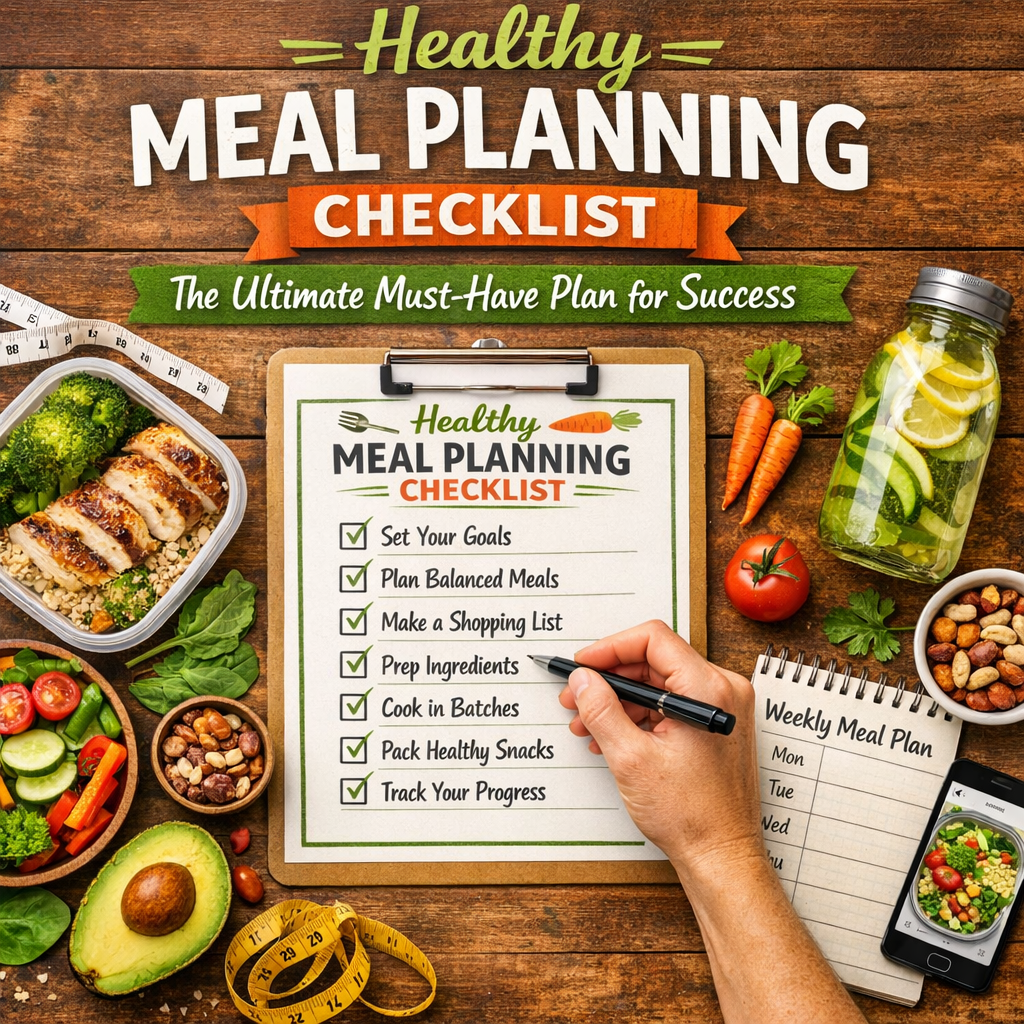
Healthy Meal Planning Checklist: The Ultimate Must-Have Plan for Success
Creating a healthy meal planning checklist is one of the smartest strategies you can adopt to improve your diet, save time, and reduce stress in the kitchen. Whether you’re a busy professional, a parent juggling multiple responsibilities, or simply someone looking to enhance your nutrition, having a solid healthy meal planning plan can transform the way you approach meals. In this article, we’ll explore exactly how to craft a comprehensive checklist that ensures balanced meals, minimizes food waste, and keeps your nutrition goals on track.
Why You Need a Healthy Meal Planning Checklist
Before diving into the specifics, it’s important to understand why a meal planning checklist is so valuable. Many people struggle with meal decisions each day or find themselves reaching for unhealthy convenience foods when they’re short on time. A well-organized checklist helps to:
– Provide structure and guidance for grocery shopping and cooking.
– Save money by avoiding impulse purchases.
– Improve dietary variety with balanced meals containing protein, veggies, healthy fats, and whole grains.
– Reduce food waste by planning portions and using leftovers effectively.
– Cut down on daily decision fatigue by having a prepared framework.
If you want to succeed with your nutrition goals, developing a healthy meal planning plan backed by a practical checklist is key.
Components of a Healthy Meal Planning Checklist
When building your checklist, consider including the following essential sections to make meal planning manageable and effective:
1. Assess Your Nutritional Needs
Start by identifying your dietary preferences and health goals. Think about:
– Caloric intake and portion control.
– Macronutrient balance (protein, carbs, fats).
– Micronutrient needs (vitamins, minerals).
– Any dietary restrictions or allergies.
– Specific goals like weight loss, muscle gain, or managing a health condition.
This helps tailor your meals to keep them nourishing and aligned with your lifestyle.
2. Plan Your Weekly Menu
Create a weekly meal plan that includes breakfast, lunch, dinner, and snacks. This step lays the foundation for focused grocery shopping and cooking. Aim for:
– Variety: Rotate proteins (chicken, fish, beans), grains, and vegetables.
– Color: Include a rainbow of vegetables and fruits for diverse nutrients.
– Simplicity: Choose recipes that are easy and quick to prepare, especially for busy weekdays.
– Batch Cooking: Incorporate meals that can be made in bulk and reheated.
3. Complete a Grocery List Based on the Meal Plan
Develop your grocery list strictly from your weekly menu. Organize it by categories such as:
– Produce
– Proteins
– Dairy or dairy alternatives
– Grains and legumes
– Healthy fats (nuts, seeds, oils)
– Spices and condiments
This focused list prevents overbuying and helps ensure you have all ingredients on hand for the week.
4. Inventory Check
Before shopping, check your pantry, fridge, and freezer. Mark what items you already have to avoid duplicates. This step saves money and reduces food waste.
5. Prep and Cook Efficiently
Include steps in your checklist for food prep and storage:
– Wash and chop vegetables at the start of the week.
– Cook grains or proteins in advance.
– Portion meals into containers for grab-and-go convenience.
– Label and date leftovers.
This keeps mealtimes hassle-free and encourages healthier choices even on your busiest days.
Tips for Staying Consistent with Your Healthy Meal Planning Plan
Adopting a healthy meal planning routine can be challenging at first, but these tips will keep you motivated and organized:
– Set a recurring weekly planning time: Dedicate 30 minutes each week to crafting your menu and grocery list.
– Use technology: Meal planning apps or digital checklist tools can streamline the process.
– Be flexible: Allow room for spontaneous meals or dining out, but stick to your plan most of the time.
– Get the family involved: Sharing the planning and cooking duties makes it more enjoyable.
– Keep staple items stocked: Healthy pantry essentials like canned beans, frozen veggies, and whole grains act as lifesavers.
Sample Healthy Meal Planning Checklist Template
To help you get started, here’s a straightforward checklist format:
Weekly Checklist
– [ ] Review last week’s meal successes and challenges
– [ ] Set nutrition and cooking goals for the week
– [ ] Select recipes for breakfast, lunch, dinner, and snacks
– [ ] Check pantry, fridge, and freezer inventory
– [ ] Write a categorized grocery shopping list
– [ ] Purchase groceries or arrange for pick-up/delivery
– [ ] Prep vegetables, grains, and proteins
– [ ] Portion out meals for the week
– [ ] Store leftovers with proper labeling
Final Thoughts
A healthy meal planning checklist isn’t just a list of meals or ingredients; it’s a dynamic tool that empowers you to take control of your nutrition and lifestyle. When combined with a clear healthy meal planning plan, it removes much of the overwhelm and guesswork around eating well. Whether you’re aiming to boost energy, manage weight, or simply enjoy delicious and nutritious food, creating your ultimate checklist of meal planning essentials is a proven path to success. Start small, stay consistent, and watch the positive impact unfold in your health and well-being.