Meditation for Beginners Checklist: Your Must-Have Easy Plan Guide
Starting a meditation practice can feel overwhelming, especially if you don’t know where to begin. A meditation for beginners checklist can serve as a practical blueprint to ease you into the habit and make your sessions more effective and enjoyable. Whether you want to reduce stress, increase focus, or simply find some inner calm, having a structured meditation plan tailored for newcomers helps create consistency and builds confidence.
In this article, we’ll walk you through a simple yet comprehensive meditation for beginners plan designed to make your introduction to meditation smooth and rewarding. Let’s dive into the essential components that will set you up for success.
Why Use a Meditation for Beginners Checklist?
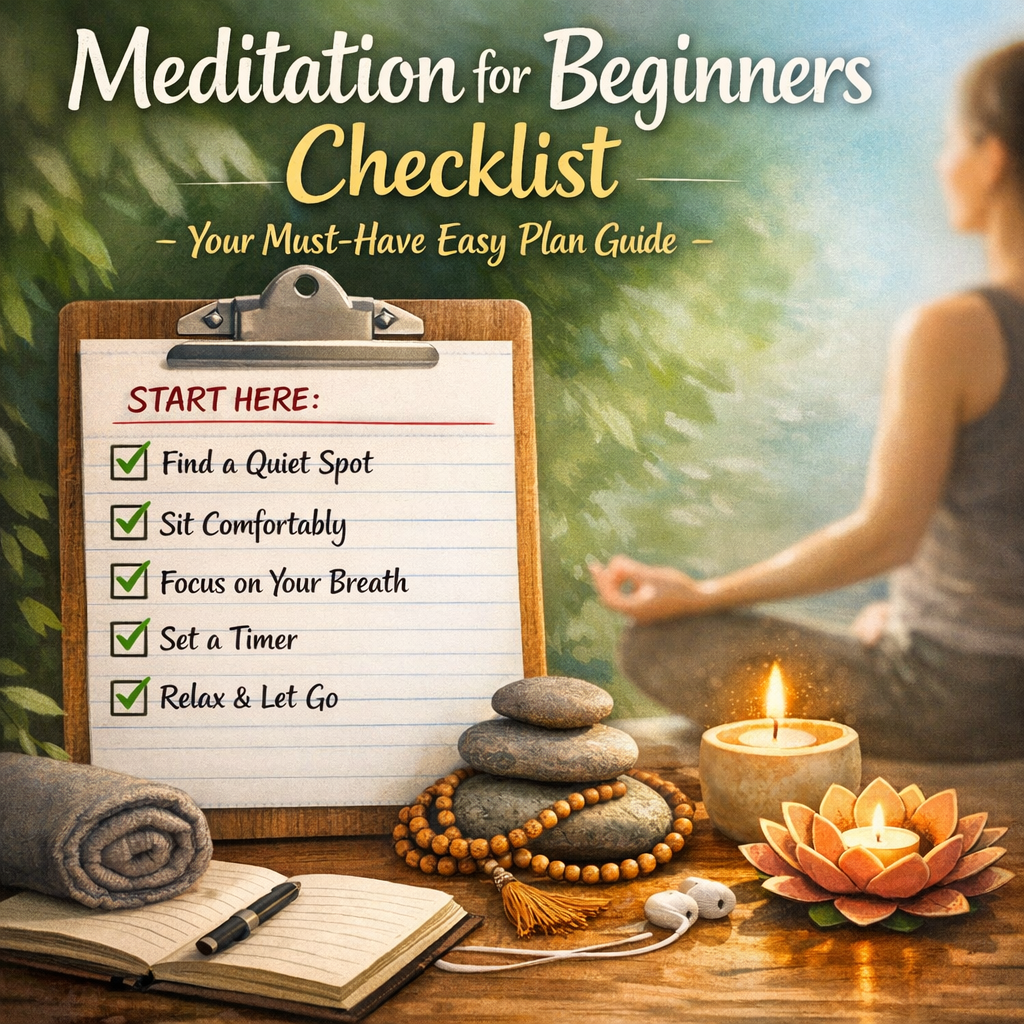
When starting anything new, including meditation, it’s easy to feel lost or give up after the first few tries. Beginners often get stuck on questions like:
– How long should I meditate?
– Where should I meditate?
– What meditation technique should I try?
A checklist removes confusion by breaking down the process into manageable steps. It also helps you build habits by setting clear goals and reminders. Using a checklist ensures you cover all the bases—from setting up your space to selecting the right guidance—making your meditation experience both meaningful and consistent.
—
Preparing Your Meditation Space: A Key Step in the Meditation for Beginners Checklist
Your environment strongly influences the quality of your meditation. Before you start, dedicate a corner or area in your home as your meditation spot. Here are some tips to prepare your space:
– Choose a quiet place where you won’t be disturbed
– Set up a comfortable seat—this could be a cushion, chair, or yoga mat
– Keep your space clean and clutter-free to promote relaxation
– Use calming elements like candles, soft lighting, or essential oils if you like
– Turn off notifications on your phone to minimize distractions
Having a designated meditation space signals to your brain that it’s time to focus and relax, grounding your practice firmly in your daily routine.
—
Selecting Meditation Techniques for Beginners
Meditation comes in many forms, so exploring beginner-friendly techniques is part of your meditation for beginners plan. Some popular and easy-to-start methods include:
1. Mindfulness Meditation
Focus on your breath or sensations while gently bringing your attention back whenever it wanders. Ideal for beginners who want to cultivate awareness of the present moment.
2. Guided Meditation
Follow along with recorded instructions or apps. This offers structure and support, making it easier to stay engaged.
3. Body Scan Meditation
Systematically pay attention to different parts of your body, releasing tension as you go. Perfect for relaxation and stress relief.
4. Loving-Kindness Meditation (Metta)
Focus on sending goodwill and kindness towards yourself and others, promoting positive emotions and compassion.
Try experimenting with these different techniques early on to see what resonates with you. Your checklist should include notes on which methods you tried and how they felt to help tailor your plan.
—
Creating Your Meditation Routine: Scheduling Your Practice
One of the most critical aspects of a successful practice is regularity. A well-crafted meditation for beginners checklist includes a clear schedule:
– Start small: Aim for 5 to 10 minutes per session to avoid burnout.
– Choose a time: Early morning or before bed are popular times, but any quiet moment that fits your lifestyle works.
– Set reminders: Use alarms or apps to prompt you to meditate daily.
– Track progress: Keep a meditation journal or use apps that record your streaks to motivate you.
Consistency beats duration. Building the habit is more important than meditating for long blocks initially.
—
Tips to Stay Motivated and Overcome Common Obstacles
Beginners commonly face distractions, impatience, or doubt. Your checklist should prepare you with practical strategies such as:
– Accepting that the mind wanders and gently bringing it back without judgment
– Understanding that there’s no “perfect” meditation session—every attempt counts
– Allowing flexibility; if you miss a day, simply start again without guilt
– Using meditation apps or communities for encouragement and guidance
Remember, meditation is a skill developed over time. Patience and kindness to yourself are key.
—
Additional Tools and Resources for Your Meditation for Beginners Plan
To enrich your journey, consider incorporating helpful resources such as:
– Meditation apps: Headspace, Calm, Insight Timer
– Books: Titles like The Miracle of Mindfulness by Thich Nhat Hanh or Wherever You Go, There You Are by Jon Kabat-Zinn
– Online courses or local classes: Help deepen your knowledge and provide accountability
– Journaling: Reflect on your feelings and experiences after each session
These tools add variety and depth to your practice, helping you stay engaged.
—
Final Thoughts on Building a Meditation for Beginners Checklist
Getting started with meditation doesn’t have to be complicated. By following a straightforward meditation for beginners checklist that includes prepping your space, trying beginner-friendly techniques, setting a schedule, and utilizing supportive resources, you can build an effective practice with ease.
Remember, meditation is a personal journey. Be flexible, patient, and compassionate with yourself as you explore this calming and empowering habit. With consistency and the right plan, meditation can become a treasured part of your daily life—bringing mental clarity, emotional balance, and a profound sense of peace.
Start today with your easy plan guide, and watch your mindfulness blossom, one breath at a time.