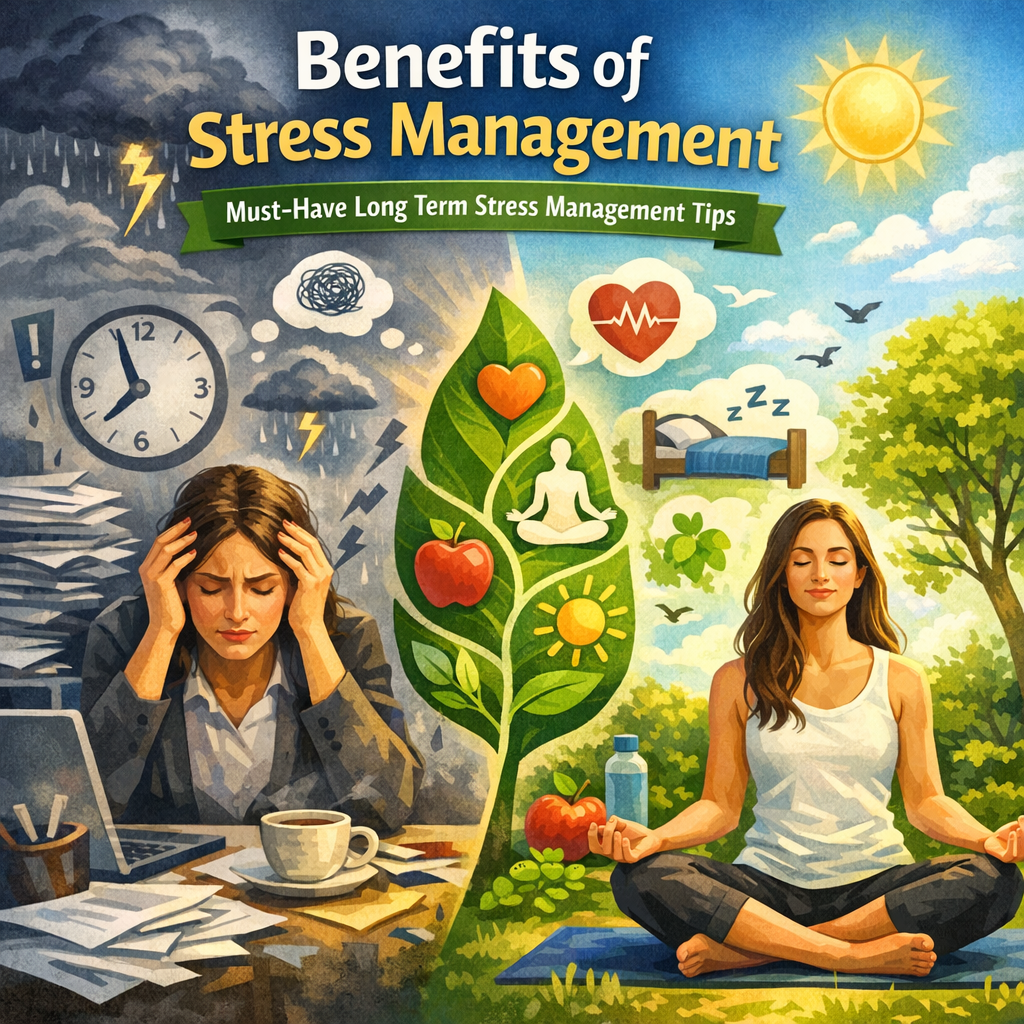
Benefits of Stress Management: Must-Have Long Term Stress Management Tips
In today’s fast-paced world, understanding the benefits of stress management is more important than ever. Chronic stress can wear down both the body and mind, leading to serious health complications and reduced quality of life. However, effective stress management techniques can help individuals regain balance, improve well-being, and enhance productivity over time. In this article, we’ll explore the myriad benefits of stress management and share essential long term stress management tips that anyone can incorporate into their daily routine.
The Importance of Recognizing the Benefits of Stress Management
Stress is a natural response to challenges or threats, but prolonged or unmanaged stress can have a detrimental impact on physical and mental health. The benefits of stress management extend beyond simply feeling calmer in the moment; they promote overall wellness and resilience. When stress is controlled effectively, individuals often experience improved immune function, better cardiovascular health, enhanced mood stability, and sharper cognitive abilities.
Moreover, managing stress effectively helps reduce feelings of anxiety and depression, which are often triggered or exacerbated by persistent stress. It also leads to better sleep patterns, increased energy levels, and stronger relationships, all of which contribute to a higher quality of life in the long run.
Long Term Stress Management: Why Consistency Matters
While quick stress relief techniques like deep breathing or a short walk can offer immediate benefits, cultivating long term stress management habits is key to sustainable health improvements. Long term stress management is about making conscious lifestyle adjustments that diminish stress triggers and build coping skills over months and years.
Consistent stress management provides cumulative benefits: it helps reprogram how the brain reacts to stressors, builds emotional resilience, and decreases the frequency and intensity of stress responses. This proactive approach not only protects against physical illnesses related to stress but also fosters a more balanced outlook on life.
Must-Have Long Term Stress Management Tips
1. Prioritize Regular Physical Activity
Exercise is one of the most effective long term stress management tools. Engaging in regular physical activity stimulates the production of endorphins—natural mood lifters—and lowers levels of the stress hormone cortisol. Whether it’s walking, jogging, yoga, or dancing, movement helps regulate the nervous system and promote relaxation.
2. Establish a Consistent Sleep Schedule
Lack of quality sleep magnifies the effects of stress and hampers the body’s ability to recover. Prioritizing at least 7-8 hours of restful sleep per night lays a solid foundation for managing stress long term. Creating a calming bedtime routine and minimizing screen time before bed can significantly improve sleep quality.
3. Practice Mindfulness and Meditation
Mindfulness exercises and meditation help train the brain to stay grounded in the present moment rather than ruminating on past worries or future anxieties. Daily mindfulness practice reduces cortisol levels, lowers blood pressure, and cultivates emotional stability. Even just 10-15 minutes a day can make a meaningful difference over time.
4. Maintain a Healthy, Balanced Diet
Nutrition plays a crucial role in regulating stress. Consuming a balanced diet rich in whole foods, fruits, vegetables, lean proteins, and healthy fats supports brain health and stabilizes blood sugar levels, which in turn helps prevent mood swings and irritability linked to stress.
5. Build Strong Social Connections
Loneliness and isolation can amplify stress responses. Maintaining supportive relationships with family, friends, or community groups not only provides emotional comfort but also encourages healthier coping mechanisms during tough times. Regular social interaction acts as a natural buffer against stress.
6. Set Realistic Goals and Manage Time Effectively
Stress often arises from feeling overwhelmed by responsibilities. Learning to set achievable goals and prioritize tasks can prevent burnout. Using tools like planners or digital apps to organize schedules reduces pressure and helps maintain a manageable pace.
7. Seek Professional Help When Needed
Sometimes, long term stress management requires guidance from mental health professionals. Therapists or counselors can provide personalized strategies such as cognitive-behavioral therapy (CBT) to help reframe negative thought patterns and develop constructive habits.
Moving Forward: Embrace the Benefits of Stress Management
Integrating these long term stress management practices into everyday life empowers individuals to face challenges with greater confidence and calm. The benefits of stress management ripple through every area—improving physical health, mental clarity, emotional well-being, and social connections.
Remember, stress is not entirely avoidable, but how you manage it is within your control. By committing to consistent, healthy habits, you build resilience that will serve you well throughout life’s ups and downs. Start small, stay patient, and watch as the profound benefits of stress management transform your overall quality of life for the better.