Daily Habits for Stress Management: The Ultimate Effortless Routine
In today’s fast-paced world, finding effective ways to relax and unwind can be challenging. Incorporating daily habits for stress management into your life can make a significant difference in how you cope with daily pressures. By establishing a stress management routine that is simple, sustainable, and even enjoyable, you can improve your overall well-being, boost productivity, and maintain a healthier mindset.
The Importance of a Stress Management Routine
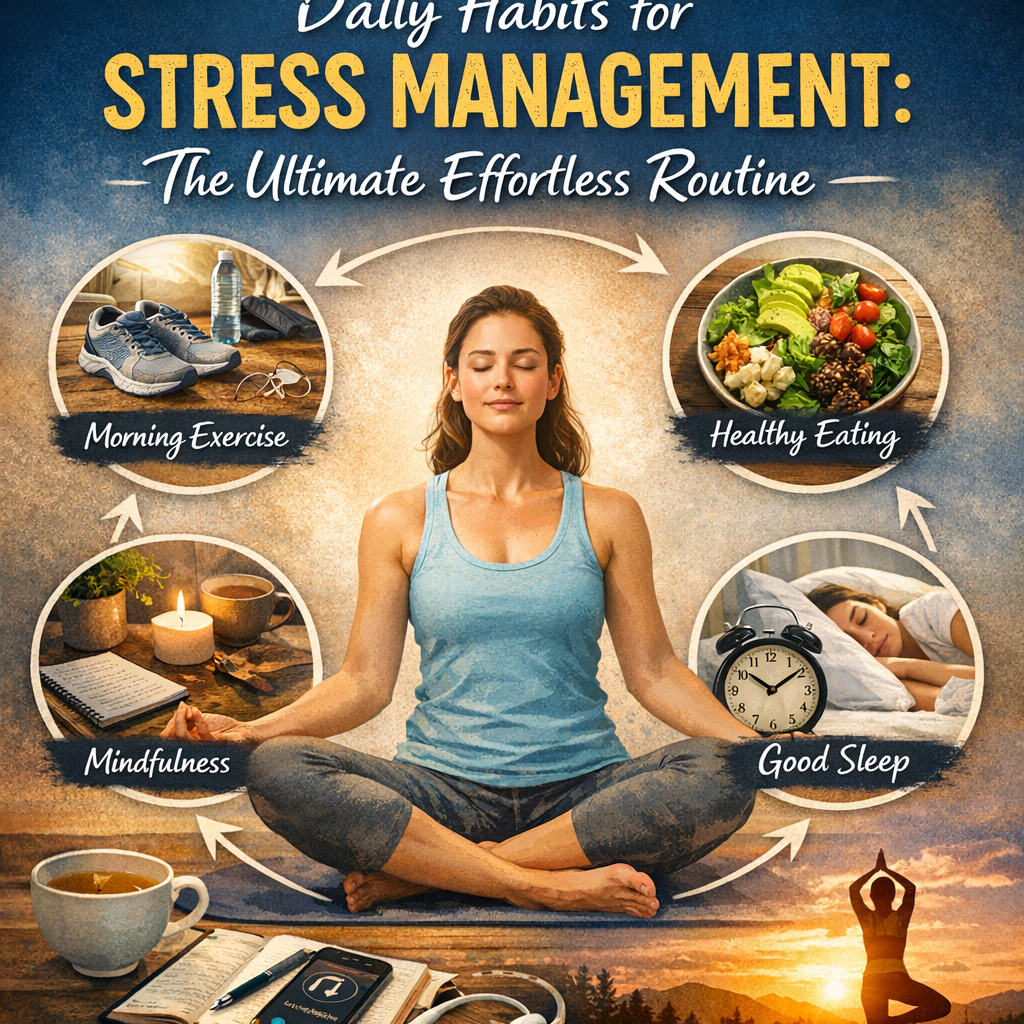
Before diving into specific habits, it’s crucial to understand why a structured approach to stress management is beneficial. Stress is a natural response to challenges, but when it becomes chronic, it can lead to a wide range of negative health outcomes, including anxiety, depression, cardiovascular issues, and decreased immune function. Developing a consistent stress management routine doesn’t mean eliminating stress altogether—it means learning to navigate it more smoothly.
By integrating manageable tasks into your daily schedule, you can reduce the intensity of stress reactions and build resilience over time. These habits become anchors that keep you grounded even during overwhelming moments.
Essential Daily Habits for Stress Management
1. Mindful Morning Rituals
Starting your day with mindfulness sets a calm tone for the hours ahead. This could be as simple as spending five minutes focusing on your breath, practicing gratitude, or engaging in gentle stretching. Mindfulness encourages you to live in the present moment and prevents your mind from spiraling into worries about past or future events.
2. Regular Physical Activity
Exercise is one of the most effective natural stress relievers. Physical activity increases the production of endorphins, which are chemicals in the brain that help you feel good and reduce pain perception. Whether it’s a brisk walk, yoga, or a short home workout, maintaining an active lifestyle supports mental clarity and emotional stability.
3. Prioritizing Sleep Hygiene
A consistent, restful sleep pattern plays an essential role in managing stress. Aim for 7-9 hours of quality sleep by creating a calming bedtime routine. Avoid screens at least an hour before bed, keep your room cool and dark, and consider relaxation techniques such as reading or listening to calming music to help your mind unwind.
4. Balanced Nutrition
Eating a diet rich in fruits, vegetables, lean proteins, and whole grains sustains your energy levels and mood throughout the day. Avoid excessive caffeine and sugar, as they can heighten feelings of anxiety and cause energy spikes and crashes. Hydration is equally important, so drinking plenty of water helps keep your body and brain functioning optimally.
5. Time Management and Setting Boundaries
Feeling overwhelmed often stems from an overloaded schedule or difficulty saying no. Incorporating time management habits—like creating daily to-do lists, setting realistic goals, and scheduling breaks—can greatly reduce stress. Learning to set clear boundaries between work and personal time ensures that you allocate space for relaxation.
Incorporating Calm Moments Throughout the Day
Stress management isn’t just about large lifestyle changes; it’s about integrating small, calming moments into your routine. Practices such as deep breathing exercises, brief meditation sessions, or simply stepping outside for fresh air during work breaks can significantly lower stress levels.
Deep Breathing: An Easy Stress Management Routine
Deep breathing exercises work by activating your parasympathetic nervous system, which promotes relaxation. Try the 4-7-8 technique: inhale quietly through your nose for 4 seconds, hold your breath for 7 seconds, and exhale slowly through your mouth for 8 seconds. Repeat this cycle a few times whenever you feel anxiety building.
Social Connections and Emotional Support
Maintaining positive relationships is another key component of stress relief. Regularly connecting with friends, family, or support groups offers emotional comfort and a sense of belonging. Even brief, meaningful interactions can improve your mood and perspective.
The Role of Hobbies and Creative Outlets
Engaging in hobbies you enjoy acts as a form of mental escape and self-expression. Whether it’s painting, gardening, playing an instrument, or reading, dedicating time to passions outside of work provides a healthy distraction from stress and enhances your sense of fulfillment.
Making Your Stress Management Routine Effortless
The ultimate goal is to create a stress management routine that feels natural and non-disruptive to your lifestyle. Start with one or two manageable habits and gradually build upon them rather than attempting a complete overhaul all at once. Consistency is key—over time, these daily habits will blend seamlessly into your life, multiplying their positive effects.
Tips for Staying Consistent:
– Use reminders or alarms to prompt new habits.
– Track your progress with journals or apps.
– Reward yourself for maintaining the routine.
– Stay flexible and adjust when necessary.
Conclusion
Integrating daily habits for stress management doesn’t require a dramatic life change. By cultivating simple practices like mindfulness, exercise, healthy eating, and time management, you can develop a stress management routine that supports your emotional and physical health. When stress arises, these habits serve as your toolkit for maintaining balance and calm, helping you navigate daily challenges with greater ease and confidence. Start small, be patient, and enjoy the journey to a more peaceful life.