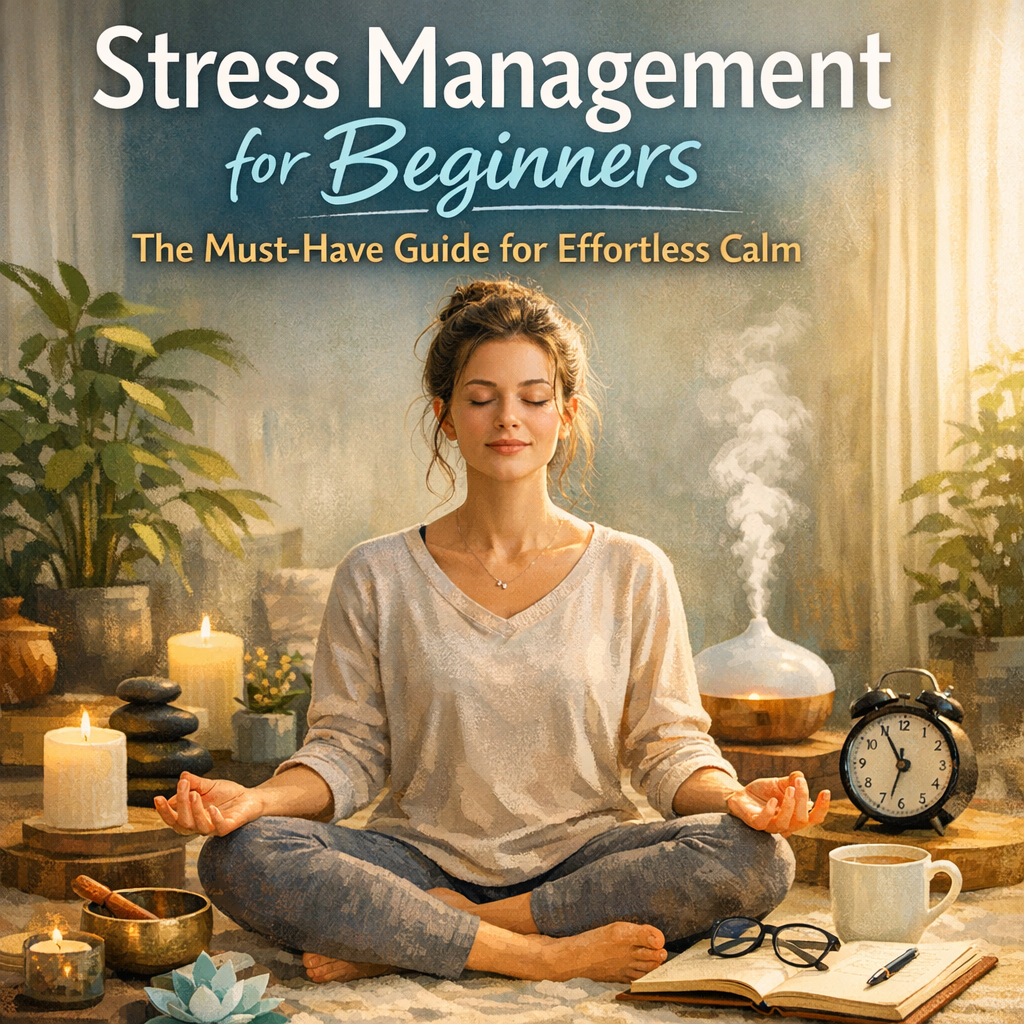
Stress Management for Beginners: The Must-Have Guide for Effortless Calm
Stress management for beginners is an essential skill in today’s fast-paced world where demands and pressures frequently test our mental and emotional endurance. Whether it’s work deadlines, personal challenges, or unexpected life changes, stress can quickly accumulate, leading to negative impacts on both health and productivity. Fortunately, learning how to manage stress effectively doesn’t have to be overwhelming. With the right guidance, even those new to these practices can cultivate calmness and resilience effortlessly. This guide is designed to introduce beginner stress management techniques that are simple, practical, and highly effective.
Understanding Stress and Its Effects
Before diving into beginner stress management techniques, it’s important to understand what stress is and how it affects us. Stress is a physical and psychological response to perceived challenges or threats, triggering a “fight or flight” reaction. While some stress can be motivating, chronic stress may lead to issues such as anxiety, depression, headaches, and weakened immune function.
Recognizing your stressors and how they affect your body and mind is the first step toward managing stress in a healthy way. Early signs might include irritability, difficulty concentrating, fatigue, or changes in sleep patterns.
Beginner Stress Management: Simple Techniques to Start Today
If you’re just starting out with stress management for beginners, try incorporating these straightforward yet powerful techniques into your daily routine:
1. Deep Breathing Exercises
One of the easiest and most effective beginner stress management strategies is deep breathing. When you’re stressed, your breathing becomes shallow. Deep, slow breaths help activate the parasympathetic nervous system, promoting relaxation.
Try this quick exercise:
– Sit comfortably with your back straight.
– Inhale deeply through your nose for a count of four.
– Hold for a count of four.
– Exhale slowly through your mouth for a count of six.
– Repeat for several minutes until you feel calmer.
2. Mindfulness and Meditation
Mindfulness teaches you to stay present and observe thoughts without judgment. Meditation, even just five to ten minutes daily, can help clear your mind and reduce stress levels.
To practice mindfulness:
– Find a quiet spot.
– Focus on your breath or the sensations in your body.
– When your mind wanders, gently bring your attention back.
Meditation apps designed for beginners can provide guided sessions that make this process accessible and enjoyable.
3. Physical Activity
Regular exercise releases endorphins, known as “feel-good” hormones. It also helps reduce the level of the stress hormone cortisol.
You don’t need a gym membership—activities like walking, yoga, or dancing can be great stress relievers. Aim for at least 30 minutes of moderate activity most days of the week.
4. Prioritize Sleep
Beginner stress management often overlooks the importance of sleep. Quality sleep rejuvenates your mind and body, improving your ability to handle stress.
Create a relaxing bedtime routine:
– Avoid screens an hour before bed.
– Keep your sleeping environment cool and dark.
– Maintain consistent sleep and wake times.
5. Time Management and Setting Boundaries
Poor time management can exacerbate stress. Learning to prioritize tasks and say no to additional commitments can help you regain control of your schedule.
Use to-do lists or time-blocking methods to stay organized. Don’t hesitate to delegate or eliminate tasks that are non-essential.
Creating a Stress Management Plan for Beginners
Developing a personalized stress management plan will help you integrate these techniques into your lifestyle seamlessly. Here’s how to start:
– Identify your main stressors: Write down what triggers your stress most often.
– Choose your preferred techniques: Pick two or three beginner stress management methods that resonate with you.
– Set achievable goals: For example, commit to 10 minutes of meditation daily or a 20-minute walk after work.
– Track your progress: Use a journal or an app to monitor improvements and challenges.
– Adjust as necessary: Stress management is a journey. Be flexible and open to trying new approaches if certain techniques don’t work.
When to Seek Professional Help
While these beginner stress management tips can be highly effective, sometimes stress becomes overwhelming or chronic. If you notice persistent feelings of anxiety, depression, or physical symptoms interfering with your daily life, it might be time to consult a mental health professional.
Therapists can provide specialized support, including cognitive-behavioral therapy, which helps reframe stressful thoughts, or recommend other treatment options as needed.
Conclusion
Stress management for beginners is not about completely eliminating stress but learning to manage it in ways that bring peace and balance to your life. By starting with small, manageable steps such as deep breathing, mindfulness, physical activity, and good sleep habits, anyone can build a foundation for effortless calm. Remember, consistency is key—stress management is a lifelong skill that grows stronger with practice. Embrace the journey and give yourself permission to find calm amidst the chaos.