Yoga for Flexibility Mistakes: Must-Have Tips for Best Results
When it comes to improving your range of motion and overall physical health, yoga stands out as one of the most effective practices. However, many people make common yoga for flexibility mistakes that can hinder their progress or even lead to injury. Understanding these pitfalls and applying proven yoga for flexibility tips can help you maximize the benefits of your practice while staying safe and motivated.
In this article, we will explore some of the most frequent errors people make when using yoga to increase flexibility and the best strategies to avoid them. Whether you are a beginner or someone looking to refine your routine, these insights will help you achieve the results you desire.
Common Yoga for Flexibility Mistakes to Avoid
1. Pushing Too Hard, Too Fast
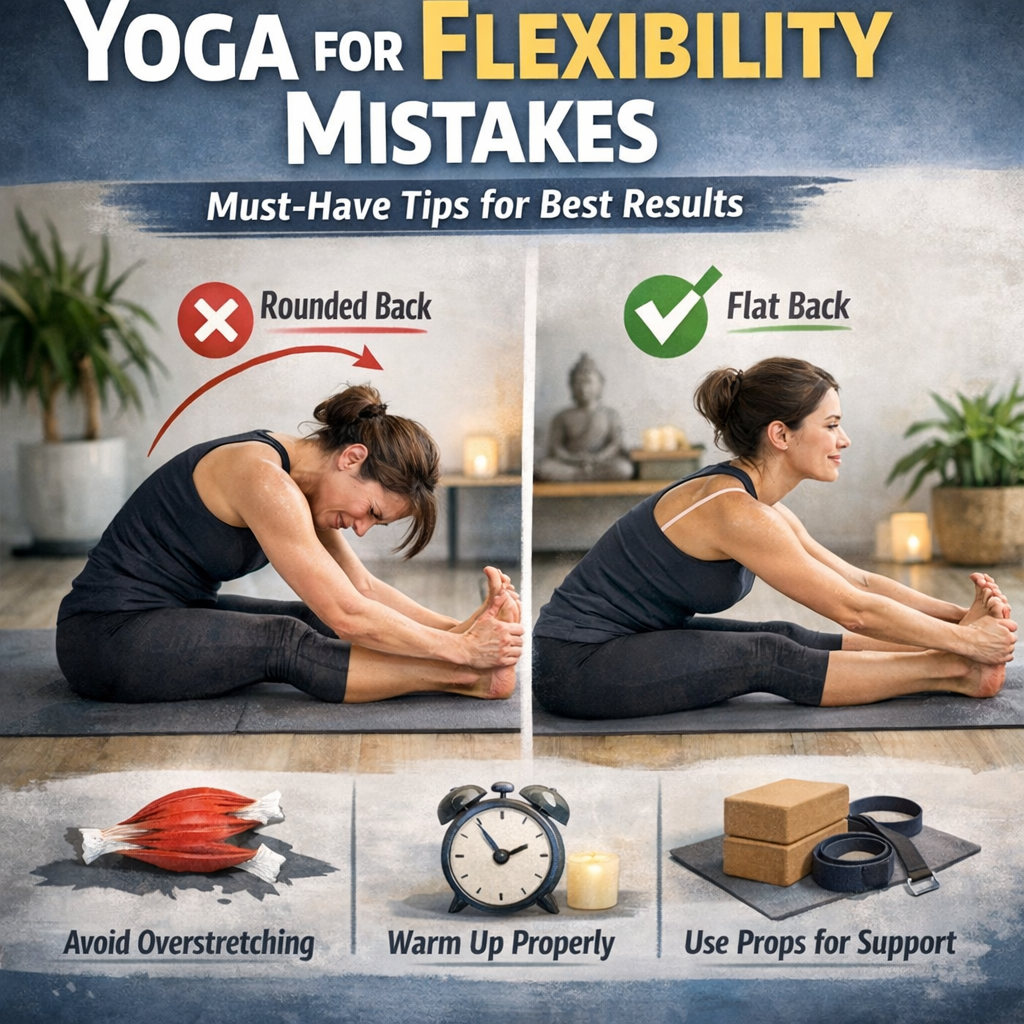
One of the biggest mistakes in yoga for flexibility is attempting to stretch beyond your current capability. Flexibility takes time to develop, and trying to force deep stretches too soon can cause muscle tears, joint pain, or other injuries. It’s crucial to respect your body’s limits and increase intensity gradually.
2. Neglecting Warm-Up Routines
Jumping straight into intense yoga poses without warming up properly is a recipe for tight muscles and reduced gains. Warm-up movements prepare your muscles, tendons, and joints for stretching, reducing the risk of injuries. Light aerobic exercises and gentle dynamic stretches before your session can make all the difference.
3. Holding Breath During Stretches
Breath is a fundamental aspect of yoga, but many practitioners unknowingly hold their breath or breathe shallowly when stretching intensely. Proper breathing helps relax your muscles and enhances oxygen flow, allowing you to stretch more comfortably and effectively. Practice slow, deep breaths throughout each pose.
4. Ignoring Alignment and Form
Improper alignment is another frequent mistake that can compromise flexibility progress. If your body isn’t positioned correctly, you might not be targeting the intended muscles, which slows down improvement and increases injury risk. It’s helpful to work with a qualified instructor or use mirrors and videos to check your form.
5. Skipping Cool Down and Rest Days
Flexibility gains happen during recovery, not just while stretching. Missing cool-down routines or not giving your body rest days can lead to stiffness, soreness, and plateaus. Incorporate gentle cooldown poses and allow 24-48 hours between intensive flexibility sessions for optimal results.
Yoga for Flexibility Tips: How to Get the Best Results
1. Consistency is Key
Practicing yoga regularly—even if it’s just 15-20 minutes a day—will lead to consistent improvements over time. Sporadic sessions won’t yield lasting results, so create a sustainable routine that fits your lifestyle.
2. Use Props to Support Your Practice
Yoga blocks, straps, and bolsters are excellent tools to enhance flexibility safely. They help you maintain proper alignment and reach deeper stretches without strain, making it easier to progress gradually.
3. Focus on Full-Body Flexibility
While targeting areas where you feel tight is important, comprehensive flexibility requires attention to multiple muscle groups. Incorporate poses that stretch your hips, hamstrings, back, shoulders, and chest for balanced improvement.
4. Prioritize Mindfulness and Patience
Flexibility reflects not only physical flexibility but mental openness as well. Approach your practice with mindfulness, staying present in each movement and accepting your limits for the day. Patience reduces frustration and helps you enjoy the journey.
5. Mix Static and Dynamic Stretching
Both static stretching (holding a pose) and dynamic stretching (moving through a range of motion) have their place in yoga for flexibility. Dynamic movements warm up and prepare muscles, while static stretches increase length over time. Combining both types will maximize your flexibility gains.
When to Seek Professional Guidance
If you experience persistent pain or have a history of injuries, consulting a certified yoga instructor or physical therapist can personalize your flexibility program safely. Professionals can identify habitual mistakes, provide corrections, and design modifications tailored to your needs.
Final Thoughts
Avoiding common yoga for flexibility mistakes is essential to progress effectively and safely. By embracing essential yoga for flexibility tips such as consistent practice, proper warm-up, mindful breathing, and prioritizing alignment, you set yourself up for success on your flexibility journey. Remember, flexibility is a gradual process that rewards patience and care, so listen to your body, honor its limits, and enjoy the transformative benefits yoga brings to both mind and body.